

Botanical Gardens Keep the Memory of the Earth Alive
Sanctuaries That Preserve, Teach, and Inspire Through the Beauty of Botanical Gardens
The Origins of a Living Heritage
Long before glasshouses glittered under city skylines, before paths were lined with rare blooms and labeled species, humanity’s fascination with the cultivated wild gave birth to the concept of the botanical garden. These were not merely places of beauty but repositories of knowledge, sanctuaries where science met art and the natural world was both studied and revered. Ancient civilizations understood this instinctively. Egyptian temple gardens balanced symmetry with sanctity, while the Hanging Gardens of Babylon embodied an ideal of harmony between human ingenuity and ecological wonder. Centuries later, monastic gardens preserved medicinal herbs, creating early blueprints for modern botanical collections. The Renaissance transformed this practicality into exploration, as traders and scientists carried seeds across continents, exchanging knowledge as readily as they exchanged goods. From these efforts, the first formal botanical gardens emerged, part sanctuary, part scientific archive. Each species cultivated within their walls became a page in an ever-growing encyclopedia written in leaves and roots rather than words.
What distinguished these early gardens was intention. They were not simply collections of pretty plants but living laboratories, meant to educate, heal, and connect. Every tree and vine was a testament to curiosity. As explorers sailed to unknown lands, they returned with seeds and cuttings from distant ecosystems, introducing the public to plants that defied imagination. These gardens became maps of discovery, places where people could see the breadth of Earth’s diversity gathered in a single landscape. In every leaf, a story was preserved, of geography, trade, climate, and persistence. The legacy of those gardens continues today, expanded but unchanged in purpose: to preserve the dialogue between humankind and nature that has lasted across millennia.
Designing Spaces That Breathe
A botanical garden is more than its collection. It is a deliberate choreography of paths, textures, and perspectives. The design begins not with ornament but with intent: how the space will guide emotion, inspire thought, and cultivate peace. Each curve in a walkway, each pond or rock garden, serves a purpose beyond appearance. The goal is immersion, a visitor should feel part of a rhythm larger than themselves. Designers consider scale, layering plants by height, texture, and seasonal rhythm so that color unfolds gradually rather than all at once. In temperate regions, winter gardens emphasize structure and shadow, while tropical sections burst with contrast, leading visitors from dense foliage into open clearings. This interplay between order and spontaneity evokes nature’s own design, where chaos and structure coexist gracefully.
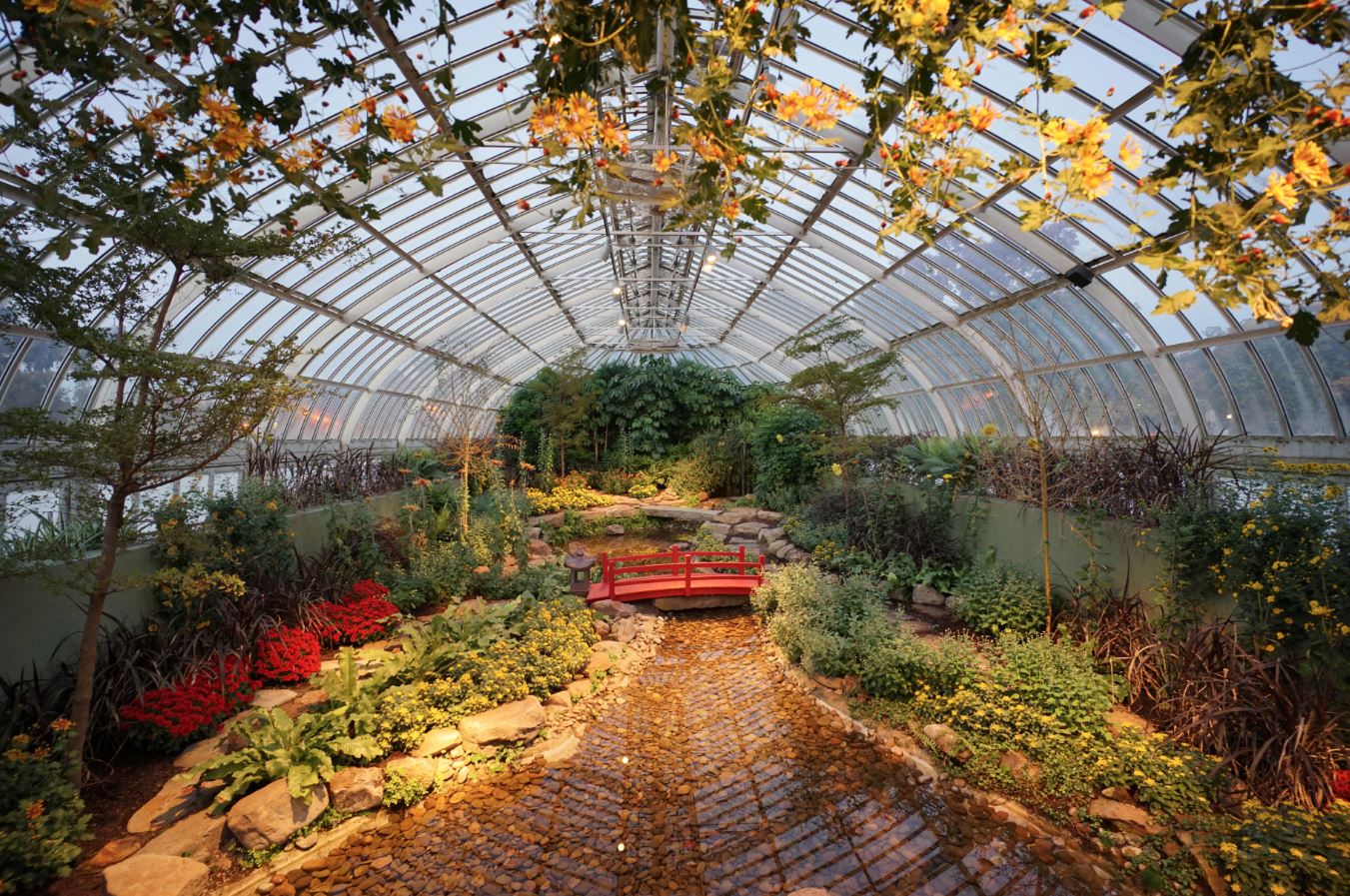
Architectural elements such as pergolas, fountains, or glasshouses serve as punctuation marks within this living text. They invite pause and reflection. A greenhouse filled with orchids feels like entering a cathedral of fragrance and light, while an open meadow invites quiet contemplation. Water features mirror the sky, connecting the garden to the heavens, and bridges lead the visitor metaphorically and physically across thresholds of discovery. Each element reinforces the relationship between human craftsmanship and organic life. When designed well, a botanical garden feels less like an exhibit and more like a breathing organism, one that adapts and evolves with each passing season. The design is never truly finished, for as long as life continues to grow, so too does the garden itself.
The Science Beneath the Petals
While visitors often admire botanical gardens for their beauty, beneath the visual poetry lies a foundation of rigorous science. Each plant, no matter how humble or exotic, contributes to ongoing research. These institutions maintain seed banks, genetic archives, and living collections that safeguard biodiversity. In an age of climate instability, such preservation has become critical. Many species cultivated in botanical gardens no longer exist in the wild, their natural habitats lost to development or disaster. Within the controlled conditions of these sanctuaries, however, life endures. Scientists study growth patterns, adaptability, and disease resistance, often discovering ways to reintroduce endangered species into the ecosystems from which they vanished. The work is meticulous, requiring patience and precision, but its rewards ripple across continents.
Education remains at the core of this mission. Botanical gardens partner with universities and schools to teach botany, ecology, and conservation. They offer a tangible classroom where theory meets living example. Visitors young and old learn how pollination works, how soil sustains, and how ecosystems interconnect. The subtle power of this education lies in its accessibility. Standing before a century-old oak or a rare orchid, people begin to see themselves as part of the same story of survival. What begins as curiosity often blooms into care, and care transforms into action. The science beneath the petals, therefore, is not confined to laboratories but extends into hearts and minds, cultivating awareness alongside plants.
Conservation and the Guardians of Diversity
In every botanical garden, unseen battles unfold daily against extinction. Behind the serenity of manicured paths, teams of horticulturists, botanists, and conservationists work to protect species at risk. Their mission transcends display; it is preservation on behalf of future generations. These institutions serve as genetic arks, ensuring that even if ecosystems fail, their botanical heritage does not vanish entirely. Seeds are cataloged, frozen, and stored in secure vaults. Propagation techniques are refined to restore lost populations. Some gardens focus on regional flora, preserving the unique biodiversity of their surrounding landscapes. Others host international collaborations, exchanging plant material and knowledge across borders to strengthen global resilience.
Conservation here is both local and universal. A single sapling planted within a botanical garden may represent centuries of evolution or the last living link to a species nearly forgotten. This act of preservation carries profound moral weight. It acknowledges humanity’s role not just as consumers of nature but as its stewards. Through patient tending and vigilant recordkeeping, botanical gardens become sanctuaries of accountability. They remind us that while extinction is irreversible, protection is always possible. The quiet persistence of gardeners who nurture fragile species is an act of defiance against loss, a promise whispered in chlorophyll and soil that life, given care, will find a way to continue.
The Human Experience Within the Garden
To walk through a botanical garden is to experience emotion translated into landscape. Visitors enter seeking beauty, but what they find is something deeper, a conversation with stillness. Every scent, sound, and texture awakens memory. The whisper of bamboo recalls childhood curiosity, the scent of roses evokes tenderness, and the rustle of leaves beneath one’s feet invites contemplation. These gardens are designed to engage the senses fully, dissolving boundaries between self and environment. Even those who arrive weary from city life find renewal in the garden’s calm pulse. It becomes a refuge where time slows, and awareness expands.
Yet, the human experience of botanical gardens extends beyond solace. They are spaces of learning and community. Festivals celebrate seasonal blooms, art installations reinterpret natural forms, and guided walks transform casual visits into journeys of understanding. The garden becomes a bridge between science and emotion, education and recreation. It unites strangers in shared wonder. For many, these visits spark lifelong curiosity about plants, leading to home gardens, environmental advocacy, or scientific study. The connection is intimate but collective, a reminder that the human spirit, much like the plants it admires, thrives through connection and care.
Architecture of Glass and Light
Modern botanical gardens often feature conservatories, vast glass structures that shimmer with both technology and artistry. These architectural marvels serve as microclimates, housing ecosystems from across the world. Inside, humidity clings to the skin, air vibrates with the hum of life, and every step feels like entering another continent. Palms tower above paths, mist veils orchids, and vines climb steel supports in pursuit of filtered light. The architecture itself becomes part of the experience. Sunlight refracts through panes, casting prismatic patterns on the ground, while shadows shift with passing clouds. The result is an environment where nature and engineering coexist in perfect tension.
Beyond aesthetics, these structures embody sustainability. Advanced temperature controls reduce energy consumption, rainwater harvesting systems nourish the plants, and recycled materials shape the design. Each decision reflects a commitment to balance, between innovation and tradition, between the natural and the human-made. To walk through such a conservatory is to step inside the future of ecological architecture, where transparency becomes both literal and philosophical. The glass walls invite the world to see the beauty of preservation, urging a new generation to imagine a civilization that builds not in opposition to nature but in dialogue with it.
Education, Engagement, and Cultural Exchange
Botanical gardens have always been places of learning, but in the modern era, their role has expanded to include cultural and social dialogue. Exhibitions now explore not only plant biology but also ethnobotany, the relationship between plants and people across cultures. Visitors encounter displays that trace how plants have shaped cuisine, medicine, and art. Workshops teach sustainable practices, from composting to native planting, turning spectators into participants. Educational outreach programs extend the garden’s mission beyond its gates, reaching schools, community groups, and neighborhoods often disconnected from green spaces. This democratization of knowledge transforms the garden into a tool for empowerment.
Equally important is the cultural exchange embedded in every leaf and stem. Many botanical gardens collaborate internationally, sharing not only species but stories. Plants once considered exotic are contextualized within their native histories, honoring the communities that first cultivated them. This fosters respect and understanding, reminding visitors that biodiversity and cultural diversity are intertwined. Every plant carries both ecological and human heritage. By showcasing these connections, botanical gardens act as global storytellers, weaving together narratives of migration, adaptation, and resilience. In this way, they become not just museums of nature but living classrooms of coexistence.
The Future Grown in Glass and Soil
The future of botanical gardens lies in adaptation and innovation. As climate change alters ecosystems worldwide, these institutions must evolve to meet new challenges. Researchers are developing climate-resilient plant varieties and experimenting with soil regeneration techniques to prepare for shifting environments. Digital mapping tools catalog species with unprecedented accuracy, creating virtual herbariums accessible to scientists everywhere. Meanwhile, gardens themselves are reimagined as models of urban sustainability. Green roofs, pollinator corridors, and edible landscapes connect cities to the natural world, turning once ornamental grounds into active participants in ecological renewal.
Yet, even as technology advances, the essence of the botanical garden remains unchanged. It continues to offer something that cannot be replicated by screens or data, an experience of presence. Standing among plants that have outlived generations, one feels the continuity of life in its most tangible form. The rustle of leaves, the warmth of sunlight, and the scent of damp soil awaken something ancient in the human spirit. In a world that often moves too quickly, the botanical garden insists on patience. Its future will depend on preserving that invitation to slow down, to look closely, and to remember that we, too, are part of nature’s design.
The Garden That Remembers Us
Every botanical garden stands as both archive and prophecy. It remembers what has been lost and nurtures what might yet come. Within its paths, history and hope intertwine. The gardener’s hand may plant, prune, and label, but the essence of the place transcends human touch. It is the persistence of life that writes the garden’s truest story. As visitors wander through its living corridors, they unknowingly become part of that story, carrying seeds of awareness and gratitude into the world beyond its gates. The garden, in turn, holds those echoes, growing richer with every step taken within it. In this quiet exchange, humanity finds not only beauty but belonging. The botanical garden, ever-evolving and eternal, remains a testament to the enduring dialogue between earth and soul, a reminder that what we nurture in nature, ultimately, also nurtures us.