

Roots That Listen to Morning Light
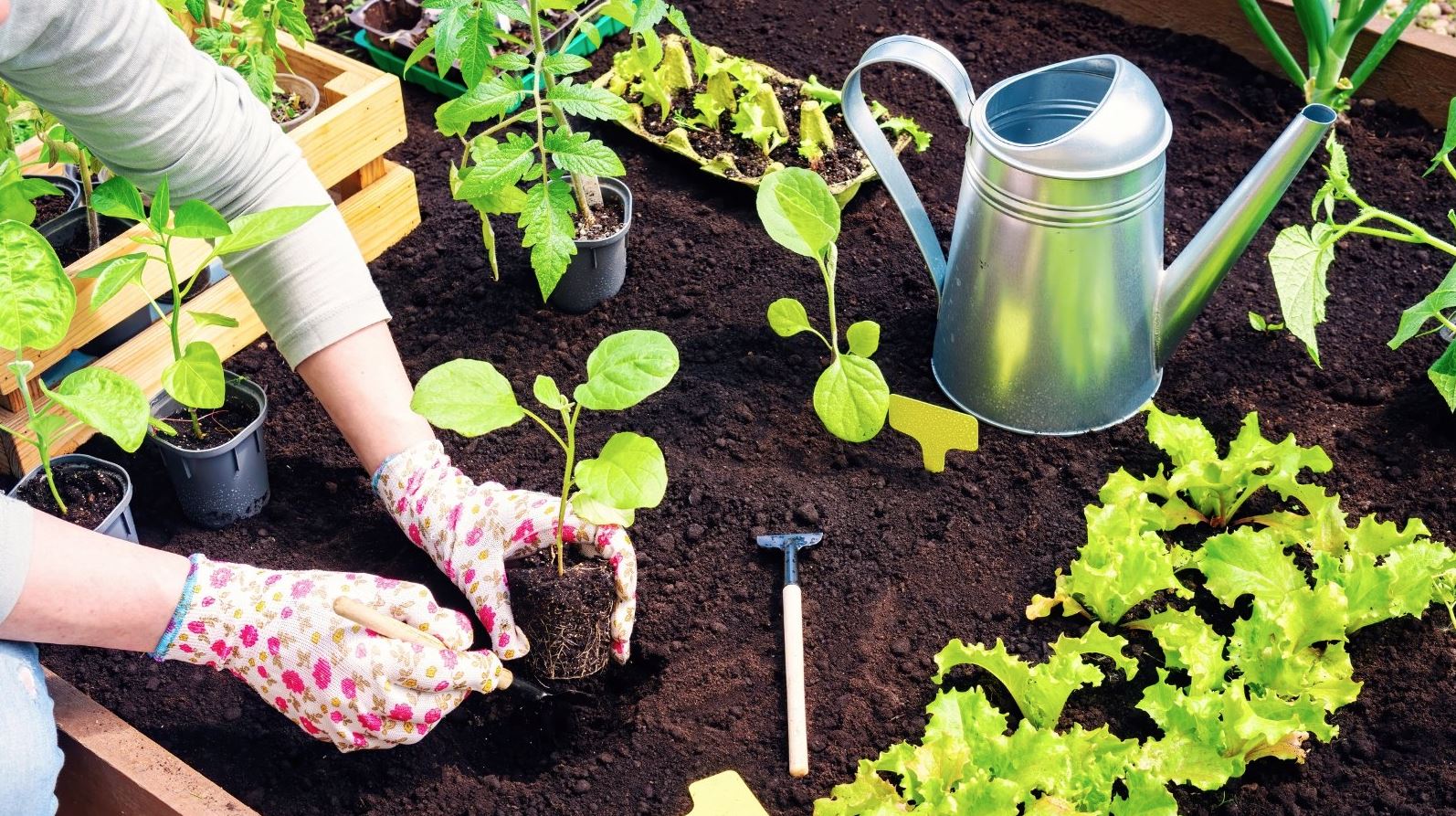
Keeping Green Things Alive
The Rhythm of Growth
Every plant moves to its own tempo. Even when the garden seems still, there is a quiet choreography beneath the surface. Roots stretch, leaves adjust, and stems turn toward the light in motions too subtle for human eyes. The rhythm of growth depends not only on water and sunlight but also on attention. Plants sense when their caretaker observes them with care. A missed day of watering or a forgotten rotation can shift their balance. Learning this rhythm requires presence, an unspoken partnership between plant and person. The gardener’s consistency becomes the tempo, setting harmony within soil and air. To truly care for plants, one must step into their timing, slowing down until their pace becomes familiar. Each day then becomes a verse in an endless poem of nurturing and renewal.
Growth is never uniform. It comes in surges, pauses, and recoveries. Some mornings a new bud appears as if conjured from air, while other days bring only the stillness of waiting. Accepting this variability forms the essence of plant care. A thriving collection of greenery is built on patience and small adjustments rather than perfection. Those who learn to trust this rhythm discover that tending plants is not a hobby but a meditation, one that teaches awareness of change and gratitude for persistence.
The Breath of Soil
Soil is not inert matter; it is a breathing ecosystem alive with exchange. When air, moisture, and organic matter balance perfectly, roots find both stability and nourishment. Neglecting that balance is like starving the unseen half of the plant. Good soil is springy, fragrant, and full of texture. Its scent alone tells the story of microbial life beneath. Clay holds too much water and suffocates roots; sandy ground lets water flee too quickly. Mixing compost, perlite, or leaf mold gives the soil lungs, creating pathways for oxygen and drainage. Each handful becomes an act of preparation for life to begin.
Over time, soil changes character. Minerals leach away, organic matter breaks down, and roots weave intricate networks that alter structure. Refreshing the top layers each season revives its pulse. Many gardeners keep compost bins nearby as living factories of fertility. The act of adding kitchen scraps, watching them transform, and returning them to the earth completes the circle. When the soil breathes, so do the plants, and through them, the air within the space feels more alive. This connection between ground and green is invisible but undeniable, turning maintenance into reverence.
The Secret Language of Water
Water is the first question every plant asks. Too much and it drowns; too little and it withers. Between those extremes lies an art that requires intuition rather than routine. One must look before pouring, touching the soil to feel its need. The weight of a pot tells stories too, a dry one feels light, a moist one heavy with promise. Early morning watering lets droplets linger long enough to nourish, while evening sessions invite cool rest before night. Each plant species speaks differently. Succulents prefer the occasional flood followed by long silence, while ferns crave gentle, constant moisture. Listening to these silent requests turns watering into dialogue rather than duty.
Rainwater, when collected, holds purity unmatched by tap. Its softness revives leaves without residue, reminding plants of their natural habitat. Even the act of misting carries meaning. The spray cools the air and cleans dust from foliage, allowing photosynthesis to breathe freely again. Over time, the gardener’s hand learns rhythm and restraint. Watering becomes less about routine and more about conversation, a daily communion between life and care. Through understanding water, one discovers that nurturing is about precision shaped by empathy.
The Light That Shapes Existence
Light is the unseen architect of every plant. Without it, there is no structure, color, or life. Yet not all light is equal. Direct exposure invigorates some species and scorches others. The delicate art of plant care lies in recognizing the difference. South-facing windows bathe greenery in fierce brilliance, perfect for cacti or citrus, while eastern light greets morning with tenderness that nurtures herbs and flowering plants. Shadows are not enemies but companions, giving rest to leaves that cannot withstand constant brightness. The balance between illumination and protection defines the success of every arrangement.
In homes or greenhouses, artificial light extends the rhythm of the sun. LED grow lamps, placed at thoughtful angles, mimic dawn and dusk for those living far from the equator. Yet even artificial brilliance should not overwhelm. Plants need darkness as much as radiance, for rest fuels their regeneration. Observing the way light travels through a space reveals the subtleties of care, how morning glow kisses one shelf while afternoon rays fade behind curtains. Adjusting placement, rotating pots, or filtering intensity turns this observation into craft. Light, in truth, is not only nourishment; it is narrative, shaping each leaf into a unique expression of survival.
The Pulse of Air and Humidity
Air, though invisible, carries everything plants require to live and breathe. Carbon dioxide fuels photosynthesis, while humidity preserves moisture in tissues. A stagnant room suffocates, depriving leaves of renewal. Fresh air invites resilience. Opening windows, running small fans, or positioning plants near subtle drafts creates microclimates of vitality. In regions where indoor heating dries the atmosphere, humidifiers or pebble trays become silent allies. The difference between limp leaves and radiant ones often lies in this unseen care. Humidity is especially crucial for tropical species, whose ancestors thrived in dense forests where mist hung like a curtain between trees.
Yet not all plants crave the same air. Desert varieties favor aridity, rejecting constant dampness. Understanding these origins allows gardeners to replicate environments without forcing unnatural conditions. Air circulation also guards against disease, preventing mildew and pests from taking hold. Movement of air mimics the whisper of wind that strengthens stems outdoors. In caring for air quality, one tends not only to the plants but to the shared atmosphere of the room itself. The energy of such a space becomes lighter, charged with invisible balance, transforming the home into a living ecosystem rather than decoration.
The Whisper of Pruning and Repotting
Pruning is a conversation between growth and restraint. It teaches that cutting can heal, that removal can invite expansion. Dead leaves draw energy away from new shoots, and spent flowers steal nutrients meant for the next bloom. When pruned, a plant redirects its strength, filling the void with renewed vigor. The rhythm of trimming differs across species, some thriving under regular shaping while others resent disturbance. Each snip should carry purpose. Precision tools, clean and sharp, ensure wounds close swiftly. Pruning becomes more than maintenance; it is sculpture guided by empathy, revealing the form already hidden within the foliage.
Repotting continues this dialogue on a deeper level. Roots confined too long begin to spiral, suffocating within their own success. Transferring them to fresh soil allows space for breath and expansion. The act demands patience, as roots must be loosened gently, old soil shaken away, and voids filled with nourishment. Many plants wilt briefly afterward, appearing ungrateful, but this pause signals adjustment rather than distress. In a few weeks, vigor returns, proving that renewal often requires disruption. Through pruning and repotting, the gardener learns the delicate art of interference, knowing when to act and when to let nature lead.
The Healing Presence of Green Companionship
Caring for plants extends beyond horticulture; it becomes emotional conversation. Their silent existence offers solace that no words can match. Studies often confirm what intuition already knows: nurturing greenery calms the mind, reduces tension, and restores focus. Each interaction, a watering, a gentle touch, a whisper of encouragement, feeds a mutual exchange. Plants respond through vitality, the brightening of leaves or the unfurling of buds. Over time, a bond forms. Rooms that once felt hollow begin to breathe with quiet companionship. The act of tending them transforms space into sanctuary, where care given is care received.
For those navigating solitude, plants become witnesses of time passing. They thrive with attention and forgive neglect through resilience. Watching a seedling mature reminds one that growth is neither linear nor rushed. Plants endure storms, adapt to scarcity, and bloom again when conditions return. Such persistence mirrors the human journey. The presence of greenery, humble yet profound, teaches the rhythm of resilience without ever speaking. It becomes a lesson in empathy written in chlorophyll, proof that nurturing something smaller than oneself can heal even the most unspoken ache.
The Harmony of Observation and Routine
Observation lies at the heart of successful plant care. It transforms routine into relationship. A daily glance at color, texture, or posture reveals what water or fertilizer cannot. Leaves drooping may not always mean thirst; sometimes they signal rest. Yellowing could indicate age rather than illness. The gardener’s eyes become diagnostic instruments, guided by intuition built through repetition. Routine, when paired with mindfulness, creates stability without rigidity. Morning checks for moisture, weekly cleanings of leaves, and seasonal adjustments of position compose a living schedule tuned to the needs of the collection. It is through such gentle repetition that trust between caretaker and plant deepens.
Modern distractions often pull attention away from this kind of listening. Phones, deadlines, and constant movement leave little room for silence. Yet in those rare pauses when one observes a plant unfurling a new leaf, the world briefly steadies. The habit of caring daily becomes a quiet defiance against haste. It reminds the caretaker that beauty is not always sudden, that vitality unfolds slowly through constancy. Observation teaches humility, revealing that perfection is not a state but a relationship nurtured through time and presence.
Gardens Within Walls
Indoor plants transform living spaces into extensions of the natural world. They create miniature ecosystems that thrive through partnership with human attention. A home filled with greenery becomes a living mirror of its caretaker’s rhythm. Neglect shows in wilt, devotion in bloom. To maintain this harmony requires understanding that every leaf, pot, and patch of soil exists as part of a wider cycle of care. Sunlight filters differently through each season, air shifts, and humidity evolves. Adapting to these transitions turns indoor gardening into lifelong companionship. The act of watering a fern or repositioning a vine is never trivial; it is participation in the grand choreography of life.
Those who live surrounded by green learn patience through observation and empathy through nurture. Each plant reflects a truth about growth, fragility, and resilience. Over years, these lessons sink quietly into the rhythm of daily living. To walk through a room alive with foliage is to move through a soft reminder that care, even when silent, changes everything. Long after the watering can is set aside and the lights dim for the evening, the plants continue their slow conversation with air and light, holding the echoes of every touch that helped them thrive.