

Where Fragrance Finds Its Home in Green
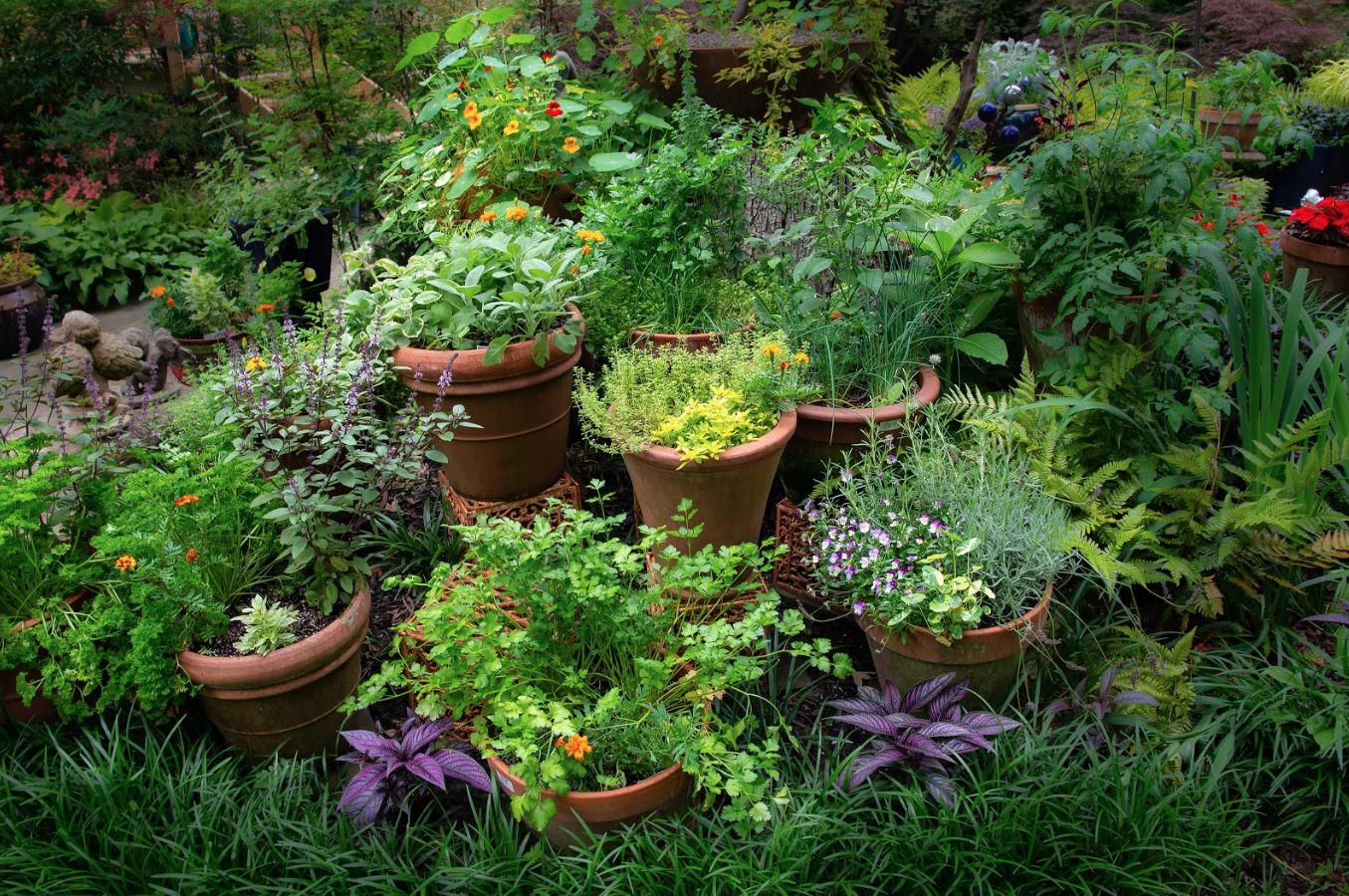
Cultivating Herbs with Intention and Grace
The First Breath of the Herb Garden
To begin an herb garden is to invite a quiet kind of magic into one’s daily rhythm. Unlike grand orchards or vast vegetable plots, herbs thrive in intimacy. They grow close to touch, respond to scent, and fill small spaces with presence far greater than their size. The first breath of the herb garden begins with fragrance rising from the soil as it is turned, a blend of earth and possibility. Each seed or cutting represents more than a plant. It carries tradition, healing, and memory. From kitchen window sills to backyard terraces, herbs transform ordinary corners into sanctuaries of growth and reflection. Their adaptability teaches balance between discipline and wildness. Mint spreads freely, rosemary anchors stability, basil bursts with vitality. To cultivate herbs is to learn restraint and generosity at once. Each leaf becomes a conversation between sunlight and care, offering both flavor and therapy in a single gesture.
The beginning is simple: sunlight, water, and soil enriched with organic matter. Yet it is the gardener’s consistency that transforms simplicity into abundance. Herbs flourish in environments of observation rather than control. Too much care can stifle them, too little can harden their spirit. The herb garden, therefore, is a teacher of mindfulness. It rewards those who listen, not those who rush. As the first green shoots appear, the air fills with promise. In that moment, the gardener senses something profound, that tending herbs is not just about growing plants, but about cultivating calm and awareness within oneself.
The Language of Leaves and Aroma
Every herb speaks through its leaves, not in words but through fragrance and texture. The slender silver-green of sage whispers wisdom, its surface soft and ancient. Basil expresses vitality, exuding warmth and sweetness that lifts the spirit. Thyme, low and humble, holds within its small frame the memory of sunlight stored in every cell. Each variety carries a personality that interacts differently with the senses. This diversity transforms a simple garden into an orchestra of scent. As the gardener brushes fingers across them, the air fills with invisible music. Fragrance is the language through which herbs communicate gratitude, vigor, or need. When mint becomes faint, it calls for more moisture. When oregano’s aroma deepens, it signals maturity. These nuances teach the gardener to read beyond sight, to understand growth through scent alone.
The language of herbs extends beyond the physical. Many cultures have long associated their fragrances with emotional states and healing energies. Lavender calms. Rosemary sharpens focus. Lemon balm revives. The mingling of these scents turns the garden into both apothecary and sanctuary. It becomes a place where wellness grows from soil to soul. With every breath, the gardener partakes in this ancient exchange. The leaves exhale vitality; the human exhales gratitude. It is a dialogue that requires no translation, only presence.
The Art of Soil and Sunlight
The secret to a thriving herb garden lies not in abundance but in balance. Soil must breathe, sunlight must touch, and water must linger only as long as roots can drink. Herbs prefer modesty to luxury. They grow best in lean soil, where roots work harder and essential oils deepen in strength. Too rich a mix produces lush growth with diluted flavor. Sandy or loamy ground, blended with compost and organic matter, creates ideal conditions for balance. Drainage is crucial, for herbs despise stagnation. When soil becomes heavy with water, it silences their fragrance and weakens their vitality. The gardener learns to observe, to touch the earth and feel whether it invites air or traps dampness.
Sunlight carries equal importance. Most herbs crave six to eight hours of direct light, though some, like parsley and cilantro, prefer gentle shade in heat. Light shapes flavor just as much as soil does. Leaves grown in steady sun hold stronger oils, richer colors, and more defined taste. The gardener soon realizes that herbs, like people, express themselves differently depending on where they stand. Each plant finds its ideal balance between warmth and rest, brightness and cool. The rhythm of care follows this understanding. To tend soil and sunlight properly is to nurture the foundation of all growth, the unseen partnership between element and life.
The Companionship of Growth
Herbs thrive in community. They complement and protect one another in ways that reflect the quiet intelligence of nature. Companion planting, an ancient practice, acknowledges that every plant holds influence over its neighbors. Basil enhances the flavor of tomatoes while deterring pests. Dill attracts beneficial insects that guard against aphids. Chives, when planted near carrots, confuse the senses of unwanted visitors. The herb garden, when arranged with intention, becomes a living ecosystem of mutual aid. Diversity invites resilience, allowing the garden to balance itself naturally. The gardener’s task is to recognize these relationships and nurture harmony rather than control it.
Beyond the practical benefits, companionship enriches beauty. The contrast between rosemary’s vertical strength and thyme’s creeping softness creates visual rhythm. Sage, with its silver tones, lends calm to the vivid greens of parsley or mint. Flowers from chives or chamomile bring color that invites bees and butterflies, ensuring pollination and vitality. The garden, once merely functional, becomes art. It reflects the same principle that sustains all living things, that strength lies not in isolation but in connection. Each plant contributes something unseen to the other, forming a quiet network of generosity that sustains the entire garden through storm, drought, and change.
The Healing Harvest
Harvesting herbs is a ritual of gratitude. Each cut connects the gardener to the ancient lineage of those who gathered medicine and flavor from the land. Timing holds meaning. Morning harvests capture the height of essential oils before sunlight disperses them into air. Scissors slide through stems gently, never stripping too much from one plant, for herbs respond to respect. Their vitality depends on rhythm rather than haste. After harvesting, leaves are washed, dried, or used fresh depending on purpose. Some are steeped into teas that soothe, others infused in oils that heal. Even in drying, herbs retain the energy of sunlight, storing warmth for the seasons ahead.
In this cycle of growth and gathering, the gardener learns sustainability. Herbs encourage moderation. A handful is often enough to flavor a meal or ease a cold. Unlike crops meant for yield, herbs reward restraint. Their strength lies in potency rather than quantity. The garden that provides medicine also teaches humility. Each plant offers a gift that cannot be taken for granted. As jars fill with dried leaves and tinctures line shelves, the gardener feels a quiet satisfaction, not of ownership but of participation in a process that connects past to present, earth to body, and care to healing.
The Kitchen as an Extension of the Garden
The herb garden does not end at its border; it continues into the kitchen where scent becomes flavor. The cook and the gardener share the same heart, both guided by the senses and the desire to create harmony. Fresh herbs change not just taste but emotion. The first crush of basil releases summer itself, bright and green. A sprinkle of rosemary over roasted vegetables brings warmth and depth. Mint stirs coolness into a drink or dessert, offering balance to heat. In this way, herbs carry sunlight into the home, transforming meals into reflections of the seasons. Cooking with herbs becomes an act of translation, turning what the garden whispers into something tangible and nourishing.
The process is intimate. Leaves are torn, chopped, bruised, or steeped, each method revealing a different aspect of their character. The gardener who cooks understands that freshness alters everything. A sprig clipped moments before serving holds vitality that dried herbs cannot replicate. Yet even dried ones, preserved with care, retain their essence through winter months, reminding the home of growth long past. The kitchen thus becomes a continuation of the garden’s purpose: to connect effort with enjoyment, to celebrate the transformation of care into sustenance. Every meal seasoned with herbs becomes a small ceremony of gratitude for the earth’s generosity.
The Seasons of Renewal
An herb garden lives by the rhythm of the year. Spring calls forth tender shoots and bright leaves that signal renewal. Summer matures them, filling the air with fragrance so thick it feels visible. Autumn deepens flavors, drying stems and seeds for the months ahead. Winter brings rest, when frost cuts back growth but not promise. Many herbs, like thyme and oregano, endure cold beneath the surface, waiting patiently for warmth to return. Others retreat completely, leaving seeds behind as their message to the future. This cycle reflects not loss but continuity. The gardener learns to embrace change as part of creation. No harvest is permanent, yet no death is final.
Each season offers lessons beyond cultivation. Spring teaches anticipation, summer abundance, autumn gratitude, and winter reflection. Together they form a rhythm that mirrors human experience. Caring for herbs through these changes cultivates patience and awareness. The gardener becomes attuned to subtleties in temperature, moisture, and scent. In tending the cycle year after year, one begins to understand that the garden does not repeat itself, it evolves. Each season writes a new verse in the same enduring song, one that hums quietly beneath frost and blooms again when the world is ready to listen.
The Spirit of Connection
To walk among herbs is to walk through history. Every culture has its sacred plants, each carrying stories of healing, ritual, and sustenance. In growing them, the gardener participates in this timeless continuity. The rosemary once used by ancient healers, the basil revered in distant temples, the sage burned in ceremony, all live again in the soil of today’s gardens. Their roots may be shallow, but their heritage runs deep. This connection bridges generations and geography, reminding us that every leaf plucked from a garden carries echoes of countless hands that came before. The herb garden thus becomes a living archive of human and natural collaboration.
In tending herbs, the gardener does not stand apart from nature but within it. The act of cultivation transforms into communion. The scent that rises from crushed leaves mingles with breath, dissolving the boundary between self and world. This sense of belonging, subtle yet profound, is the true harvest of an herb garden. It is not measured in weight or yield but in awareness. The spirit of connection endures long after the garden fades each year. It lingers in the memory of fragrance, in the rhythm of care, and in the knowledge that to grow herbs is to nurture more than plants, it is to nurture peace.
The Garden That Teaches Through Scent
In the end, an herb garden teaches not through instruction but through experience. It reminds the gardener that growth cannot be rushed, that healing begins with attentiveness, and that fragrance holds memory as surely as earth holds seed. Each plant becomes both teacher and companion, its scent a gentle reminder of the balance between giving and receiving. The garden’s true purpose lies beyond harvest. It is found in the mindfulness it cultivates, in the connection it fosters, and in the calm it restores. As evening light settles over the leaves and the air fills with aroma, the gardener realizes that this place, humble yet abundant, has become more than a collection of plants. It is a reflection of harmony, a space where nature and care exist in quiet conversation. And in that conversation, both grow wiser together.