

Hands That Feed the Ground’s Quiet Appetite
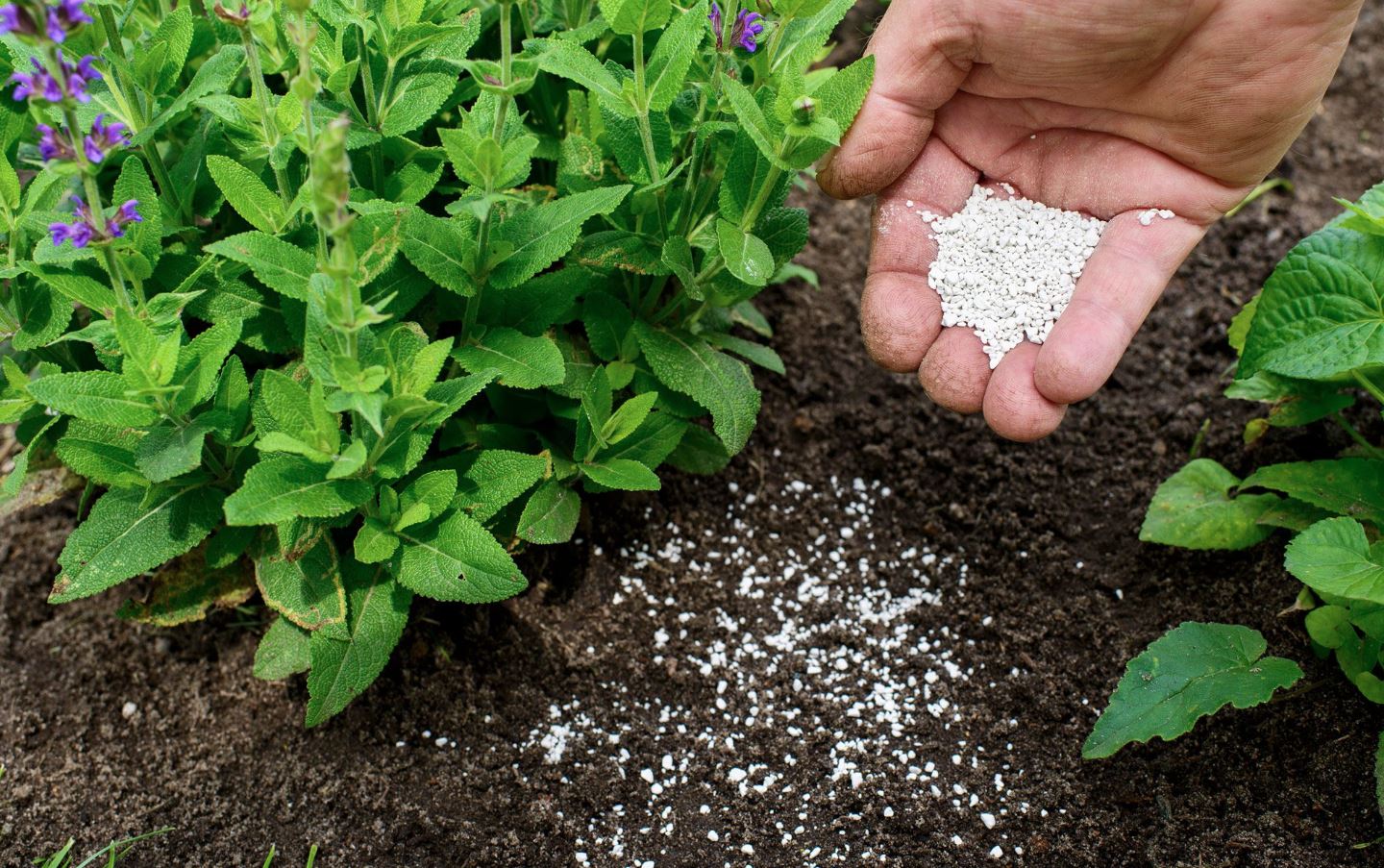
The Chemistry of Fertilization Shapes Every Living Garden
The Hidden Conversations Between Roots and Minerals
Beneath the surface of every thriving garden lies a vast and intricate network of interaction that remains unseen by the naked eye. The delicate roots of plants do not merely absorb water and nutrients, they engage in constant exchange, releasing exudates that attract specific elements and organisms. This silent conversation defines the health of the entire ecosystem. Fertilization, therefore, is not an act of feeding but an act of translation, where human intention meets biological interpretation. When nitrogen is applied, it enters a social network of microbes, each transforming it into forms that roots can recognize. Phosphorus, often bound tightly to soil particles, relies on root secretions and fungi to unlock it. Potassium moves more freely, balancing osmotic pressure and improving resilience. The more we observe this microscopic diplomacy, the more we realize that every fertilizer application is an invitation for negotiation, a subtle encouragement for life to reorganize itself into harmony.
Even in small patches of backyard soil, these exchanges form a world as dynamic as any coral reef. Worms tunnel, aerating the earth and carrying decomposing matter downward. Bacteria fix nitrogen from the air into compounds that roots can drink. Fungal hyphae weave into hair-thin threads, forming symbiotic extensions of plants that stretch beyond individual boundaries. This underground architecture operates with precision, responding instantly to changes in moisture, pH, and nutrient availability. Gardeners who sense this rhythm begin to treat fertilization not as a technical task but as a ritual of alignment with a living system. Every granule, every droplet, every sprinkle of compost becomes part of a language that only the earth can fully comprehend.
The Ancient Roots of Soil Enrichment
Humanity’s relationship with soil fertility stretches back thousands of years, woven through myth, agriculture, and survival. The ancient Egyptians understood that the annual flooding of the Nile renewed their lands, depositing nutrient-rich silt that sustained civilization. In contrast, the Andean cultures relied on terraces that captured organic runoff, recycling plant matter into future abundance. In Japan, centuries-old practices of fermenting fish waste into natural fertilizer demonstrated an intuitive grasp of nutrient cycling long before scientific analysis existed. Fertilization, in its earliest forms, was guided by observation and reverence rather than measurement. Farmers studied the color of leaves, the behavior of insects, and the scent of soil to decide when to enrich or rest the earth. Their success relied on trust, not technology.
These early innovations remind us that fertilization is a cultural act as much as an agricultural one. In medieval Europe, composting was tied to the rhythm of seasons and livestock management. Farmers stored manure through the winter, mixing it with straw and ash to create balanced humus by spring. Indigenous peoples across the globe maintained cycles of burning and renewal, allowing ash to reintroduce minerals without exhausting the soil. The recurring theme across all these traditions is reciprocity. To take from the soil was to give back in some form, completing a loop of nourishment that mirrored the natural decay and regeneration found in forests and meadows. Modern science has merely provided vocabulary to describe what generations already knew through intuition: that fertility is sustained through rhythm, humility, and care.
Today, when synthetic fertilizers dominate global production, echoes of those ancestral practices still guide regenerative farming. Composting, green manures, and crop rotation draw from the same wisdom. They recognize that true fertility comes from continuity, not excess. Each season builds upon the remains of the previous one, and each handful of rich soil carries centuries of silent learning.
The Science of Balance and Missteps
Modern fertilization operates at the intersection of chemistry and ecology. The macronutrients nitrogen, phosphorus, and potassium may headline every fertilizer label, but behind them lies an orchestra of secondary and micronutrients that govern balance. Calcium strengthens cell walls, magnesium fuels photosynthesis, and sulfur activates vital enzymes. Iron, manganese, boron, and zinc perform microscopic miracles within chloroplasts and root membranes. When one element dominates, others recede, creating imbalance that ripples through entire ecosystems. Gardeners often learn this the hard way, when overzealous feeding leads to wilted leaves, yellow veins, or salt-burned roots.
Soil testing emerges as the compass in this chemical landscape. A single sample can reveal pH fluctuations that block nutrient uptake or expose deficiencies invisible to the eye. With that knowledge, fertilization becomes a deliberate correction rather than a guess. A slightly acidic soil might favor iron availability, while alkaline conditions require organic chelation. Every adjustment brings the gardener closer to a living equilibrium, where fertility sustains rather than overwhelms. This precision echoes a deeper philosophy: the best fertilizer is understanding.
Missteps, however, are not always chemical. Timing plays a crucial role. Applying fertilizer during heavy rain risks runoff that contaminates waterways, while feeding during plant dormancy wastes energy. Learning to read environmental cues, from soil warmth to humidity, allows fertilizer to integrate seamlessly into natural growth cycles. Balance is achieved not by formula alone but through attentiveness, restraint, and respect for timing.
The Role of Microbes in Nutrient Alchemy
If soil chemistry sets the stage, microbes perform the play. Their invisible labor transforms inert minerals into vibrant nourishment. In the decomposition of organic matter, bacteria act first, breaking complex carbon chains into simpler molecules. Fungi follow, weaving through the remnants to extract nitrogen and phosphates. Protozoa and nematodes consume these organisms, excreting nutrients in plant-available forms. What emerges is a self-regulating factory powered entirely by biology. Without this microscopic community, fertilizers would remain locked away, useless to roots.
The symbiotic partnerships between plants and microbes defy human engineering. Mycorrhizal fungi extend a plant’s reach far beyond its own roots, exchanging water and minerals for sugars. Nitrogen-fixing bacteria, housed in the nodules of legumes, convert atmospheric nitrogen into ammonium, replenishing soil fertility naturally. Even the simplest compost pile mirrors these relationships. Heat, smell, and texture reveal microbial progress as they convert waste into humus. When gardeners introduce compost tea or biofertilizer, they amplify these processes, encouraging microbial communities to flourish. In this way, fertilization becomes less about application and more about cultivation of invisible allies.
The success of any garden, therefore, depends on honoring microbial life. Overuse of chemical fertilizers or pesticides can sterilize soil, severing these vital relationships. Sustainable fertilization invites life rather than suppresses it, trusting the ancient intelligence that already knows how to balance decay and growth.
Organic and Synthetic Pathways to Growth
The choice between organic and synthetic fertilizers often stirs passionate debate, yet the truth lies in understanding purpose rather than ideology. Organic fertilizers like bone meal, compost, and worm castings release nutrients gradually, enriching both soil texture and microbial activity. They mimic the slow cycles of nature, ensuring resilience through diversity. Synthetic fertilizers, by contrast, provide immediate relief to nutrient-starved plants, allowing for quick correction and precise control. Each has value when used wisely.
Many gardeners now adopt hybrid strategies. They use synthetic fertilizers at the start of the growing season to stimulate early growth, followed by organic amendments to maintain stability. This combination provides both speed and sustainability. The challenge lies in moderation. Synthetic fertilizers, though efficient, can cause nutrient leaching and soil compaction if misused. Organic sources, while gentle, may fall short in meeting the rapid demands of high-yield crops. Balancing these two worlds requires a mindset of stewardship rather than consumption.
In the larger agricultural picture, technology is refining both paths. Controlled-release granules, precision drip systems, and carbon-neutral formulations are changing how we think about feeding the earth. Fertilization has evolved from a one-size-fits-all approach into a tailored science, capable of supporting productivity without sacrificing integrity. Yet, even in this age of innovation, the most powerful fertilizer remains compost created by patience, air, moisture, and time.
The Influence of Climate and Water on Fertility
Every fertilizer behaves differently under changing climates. In tropical regions, heavy rain can wash away soluble nutrients before plants absorb them. In cold temperate zones, microbial activity slows, locking organic matter in stasis until temperatures rise. Desert soils accumulate salts that impede absorption, while humid environments risk fungal overgrowth that competes with roots. Understanding how weather shapes soil chemistry allows gardeners to adapt their feeding schedules for maximum efficiency.
Water is both ally and adversary. It dissolves nutrients, carrying them to roots, yet in excess, it can suffocate oxygen-dependent microbes. The spacing and timing of irrigation determine how effectively fertilizer works. Drip systems that deliver moisture directly to the root zone reduce waste and prevent nutrient loss. Mulching further protects soil from evaporation and erosion, creating a microclimate that stabilizes temperature and moisture. When integrated with climate data, fertilization becomes predictive rather than reactive, anticipating challenges before they manifest.
Climate change adds complexity to this balance. Increasing temperatures accelerate mineralization rates, while unpredictable rainfall patterns disrupt nutrient cycles. In this shifting reality, sustainable fertilization requires adaptability. Incorporating biochar, green cover crops, and carbon-binding amendments helps buffer against extremes. The future gardener will need to think like a climatologist, interpreting clouds, temperature, and dew as part of the same conversation that once seemed confined to the soil.
The Human Element in Fertilization Ethics
At its core, fertilization raises profound ethical questions. How do we enrich the earth without impoverishing it? The global dependency on synthetic nitrogen, produced through energy-intensive industrial processes, has transformed agriculture but at environmental cost. Runoff from over-fertilization creates algae blooms that suffocate marine life. Mining phosphate disturbs delicate ecosystems and depletes finite reserves. The moral responsibility of fertilization extends beyond individual gardens into the collective future of the planet.
Ethical fertilization begins with awareness. Choosing renewable sources, minimizing waste, and favoring local production reduce ecological footprints. Small choices like composting kitchen scraps, using plant-based fertilizers, or supporting closed-loop systems make measurable differences. For large-scale agriculture, innovation is emerging through circular systems that recycle animal waste, algae cultivation, and microbial bioengineering. These efforts transform fertilization from extraction into restoration.
Equally important is social equity. Access to fertilizer often defines agricultural success, yet in many regions, farmers lack affordable options. Supporting education, micro-loans, and cooperative production ensures that knowledge and resources are shared rather than hoarded. Ethical fertilization therefore becomes an act of justice as much as sustainability. To feed the soil fairly is to feed humanity fairly.
The Rhythm of Seasonal Feeding
Every season speaks a different dialect of fertility. In early spring, plants awaken from dormancy and demand nitrogen to rebuild chlorophyll and vigor. Mid-summer calls for balance, as too much nitrogen can delay flowering. During late summer and autumn, potassium and phosphorus strengthen stems, roots, and fruiting bodies, preparing plants for cold or drought. Winter may seem silent, yet beneath frost, microorganisms continue their slow work, breaking organic matter into nutrients that await the thaw. Fertilization, when aligned with these rhythms, becomes both science and symphony.
Gardeners who follow seasonal feeding often develop an intimate understanding of their environment. They learn to recognize when soil feels hungry, when rain has diluted nutrients, or when plants send subtle distress signals. This awareness creates partnership rather than control. Applying the right fertilizer at the right time yields more than lush foliage; it creates ecological continuity where every action contributes to future stability. In a world increasingly driven by immediacy, seasonal fertilization reminds us that growth cannot be rushed, it must be earned through patience.
Some gardeners mark these cycles with ceremony. Compost is turned on equinoxes, mulch spread before solstice, and liquid feeds brewed during moonlit nights. While such rituals may seem poetic, they embody mindfulness. Each gesture honors the slow choreography between earth, plant, and time. Fertilization becomes not an agricultural necessity but a practice of gratitude for the miracle of renewal that repeats endlessly beneath our feet.
The Future of Fertilization and the Gardens Yet to Come
The next frontier of fertilization is emerging from the confluence of biology, technology, and imagination. Scientists are developing smart fertilizers that release nutrients only when triggered by specific root signals. Nanoparticles coated with organic membranes are being tested to reduce waste while improving absorption. Drones and sensors now monitor field nutrition in real time, translating spectral data into targeted feeding recommendations. Such advances may soon allow gardens to self-regulate, feeding plants with near-perfect precision.
Yet, progress must remain grounded in humility. No machine can replicate the intuition of a gardener who kneels to smell the earth or observe the subtle shift in a leaf’s hue. The future of fertilization will succeed only when it honors both innovation and instinct. Technology may refine our methods, but it will never replace the wonder of watching a seed push through soil enriched by human care. In every handful of dark humus lies a story of connection, a reminder that fertilization is not merely about productivity but about belonging.
As humanity faces climate uncertainty, soil degradation, and population growth, the way we fertilize will define the resilience of ecosystems. By merging ancestral wisdom with modern science, we can restore fertility without sacrifice. The gardens yet to come will not simply bloom for beauty or yield, they will stand as living testaments to our ability to cooperate with the planet rather than consume it. When that future arrives, each flower, fruit, and blade of grass will whisper the same truth: nourishment is a dialogue, and the soil always remembers those who listen.