

Garden Courtyard Dreams
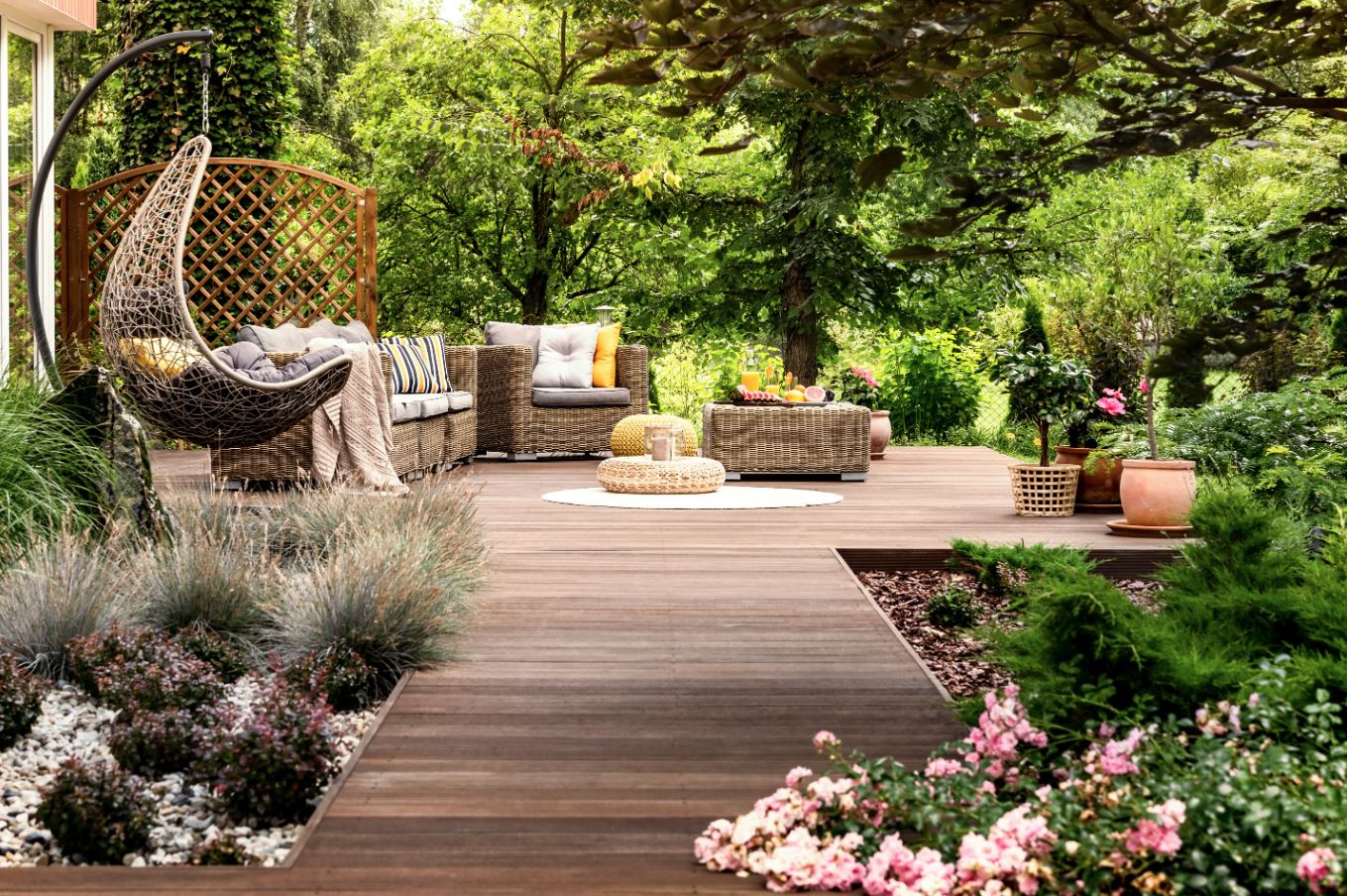
Designing Outdoor Sanctuaries that Breathe with Life and Light
The Birth of an Outdoor Vision
Every garden begins as an idea, and every patio is born from a vision of balance between architecture and nature. Patio landscaping is the art of turning an open space into a living extension of the home, a place where stone meets soil, and design meets instinct. It starts with observation, the shape of the land, the direction of sunlight, and the rhythm of shadow across the day. A well-designed patio is never simply a slab of stone or wood, it is a living canvas that transforms with every season. Its creation demands patience, imagination, and the willingness to listen to what the land desires to become. The process begins by studying how people will move through the space, how morning light will spill across its surface, and how it will look after rain has deepened the color of every material. The patio becomes not only a space to gather but a lens through which the garden’s character reveals itself.
There is a quiet philosophy behind every great patio. It is the understanding that design should flow naturally rather than fight the earth. Too often, landscaping becomes an attempt to control nature, forcing lines and geometry that ignore the site’s existing language. The finest patios, however, emerge from collaboration. They respect the slope of the terrain, the grain of local stone, and the mood of surrounding trees. This balance between intention and adaptation marks the difference between a yard and a sanctuary. When the planning respects this dialogue, even the simplest layout can feel profound, grounded, and timeless.
The Foundation of Texture and Tone
Material selection defines the character of any patio. Stone, brick, concrete, and wood each tell their own story, creating atmospheres that range from rustic intimacy to refined modernity. Natural flagstone carries the elegance of irregularity, each slab a fingerprint of geological history. Brick brings warmth and rhythm, recalling traditional courtyards and European gardens. Concrete pavers, by contrast, lend precision, while timber decks evoke relaxation and informality. The interplay of these materials creates tone, guiding how light bounces and how the space feels beneath the feet.
Texture influences not just touch but emotion. A rough stone underfoot evokes groundedness, while smooth tiles suggest elegance. Combining materials can elevate the visual harmony of a space, like pairing slate with gravel or mixing brick borders with reclaimed wood furniture. Each combination alters the mood, and when chosen with intention, it makes the patio feel complete. Even color contributes its voice. Pale surfaces reflect heat and invite brightness, darker tones absorb warmth and foster coziness during evening gatherings. The gardener’s task is to blend these choices until the patio speaks fluently with its garden surroundings.
Drainage and stability are the unseen heroes of patio construction. Beneath beauty lies structure, layers of gravel and sand that prevent shifting and pooling. Without this foundation, even the finest design falters. True craftsmanship lies in invisible precision, the subtle gradients that guide rain away, the tight seams that preserve integrity, and the commitment to lasting harmony between material and soil.
The Dance of Light and Shadow
Sunlight is the most powerful design tool in patio landscaping. It paints moving patterns across walls and ground, sculpting the experience of time itself. Understanding where light falls in morning, noon, and dusk allows for placement that feels alive. An east-facing patio becomes a haven for breakfasts scented with dew, while a western exposure glows with the warmth of sunset gatherings. Dappled shade beneath a pergola or vine canopy transforms harsh heat into gentle calm. Light dictates use, comfort, and emotion, shaping how people inhabit the space without ever needing to speak.
Artificial illumination extends that dialogue into the night. Path lights trace gentle lines, uplighting trees turns silhouettes into art, and lanterns flicker like stars fallen to earth. The interplay between natural and designed light defines how a patio breathes after dusk. Subtlety reigns, for illumination should whisper rather than shout. The goal is not to defeat darkness but to invite mystery. When done well, a patio at night feels both safe and endless, familiar yet enchanted. Light becomes architecture’s softest hand, guiding the gaze and softening the edges between home and garden.
Beyond visibility, shadow carries psychological depth. A vine-covered trellis filtering afternoon sun evokes peace, while the crisp outlines cast by geometric pergolas introduce structure. A garden that plays with contrast feels dynamic. Patio landscaping, therefore, is less about placing light fixtures and more about composing light’s movement. Every hour, every cloud, alters its symphony.
The Living Frame of Greenery
No patio is complete without the presence of plants. They soften edges, blur boundaries, and breathe life into the geometry of stone. The choice of greenery defines the patio’s identity, whether it leans toward Mediterranean dryness, tropical exuberance, or woodland calm. Low groundcovers like thyme or creeping sedum fill cracks between stones, their fragrance released by every step. Container gardens allow flexibility, letting one change color schemes through the year. Climbing vines turn walls into living tapestries, and small trees offer shifting silhouettes across seasons.
Balance between planted and paved areas brings rhythm. Too much foliage overwhelms, too little feels sterile. Strategic placement near seating areas cools the air, while boundary plantings provide intimacy without enclosure. Ornamental grasses sway gently in wind, introducing motion where hard surfaces dominate. Flowers become emotional punctuation marks, bursts of color that change tone as light evolves. Even herbs add more than scent, they create participation, inviting the hand to brush, taste, and reconnect with the cycle of growth.
Water plays a complementary role in this living frame. A small fountain or reflective bowl amplifies tranquility, mirroring sky and leaf. The sound of trickling water transforms silence into serenity. When combined with lush vegetation, the patio becomes a refuge from mechanical noise, a breathing ecosystem that nourishes both senses and spirit.
The Furniture of Comfort and Expression
Once the foundation and plants are in place, furniture gives personality to the patio. It determines how the space is used, how long one lingers, and how memory is made. The placement of a single chair can define a view, and the shape of a table can dictate conversation. Modern designs lean toward minimalist lines, allowing materials and textures to speak for themselves. Wooden benches feel organic and forgiving, metal frames introduce structure, and woven textiles add intimacy. The key lies not in abundance but in thoughtful curation, ensuring that every piece serves both function and feeling.
Durability is as essential as design. Outdoor furniture must withstand sun, rain, and temperature shifts. Teak, powder-coated aluminum, and resin wicker endure elegantly when maintained. Cushions made from weather-resistant fabrics like acrylic retain comfort without surrendering to mildew. Colors echo the surroundings, muted neutrals for serenity or bold tones to energize. Accessories such as throws, lanterns, or rugs add softness and can transform a space from casual breakfast nook to evening retreat within minutes.
Ultimately, patio furniture bridges the transition between home interior and open air. It must invite relaxation while blending into its natural backdrop. The most successful arrangements never feel staged; they appear as if they simply grew there over time, shaped by use and affection.
The Pathways That Connect and Define
A patio rarely exists in isolation. It links to gardens, lawns, and interiors through pathways that extend its influence. These connections, often overlooked, shape the journey through outdoor space. Paths made from gravel, stepping stones, or reclaimed brick create continuity between textures. Curving routes add intrigue and encourage exploration, while straight alignments emphasize order and symmetry. Each choice communicates emotion, guiding movement and expectation.
Edges matter greatly in design. Borders of low plants or contrasting pavers define transitions without abruptness. They allow the patio to unfold like a story, each step revealing a new perspective. Lighting along these routes not only ensures safety but deepens atmosphere, especially when subtle glows highlight contours rather than overwhelm them. In larger gardens, pathways can link multiple patios, each serving different moods, one for dining, another for solitude, a third for firelight conversation. The landscape becomes a network of experiences rather than a single stage.
Accessibility completes the design philosophy. Smooth surfaces ensure inclusion, while gentle grades make movement effortless. The goal is unity, to let the garden’s architecture flow without interruption, binding the physical and emotional landscapes together.
The Seasons of Transformation
Patio landscaping is a dialogue that evolves with the year. In spring, fresh shoots soften stone lines and the air smells of renewal. Summer turns the patio into a social heart where shade and breeze become precious commodities. Autumn invites reflection, as leaves frame the space in warm tones and the scent of soil deepens. Even winter has its poetry, when frost outlines edges in silver and bare branches draw delicate silhouettes against low light. Designing for all seasons ensures that the patio remains alive, not dormant, during colder months.
Seasonal adaptability relies on foresight. Deciduous trees provide shade in summer and sunlight in winter. Movable containers allow rotation of color themes, while retractable canopies manage shifting weather. Outdoor heaters or small fire features extend usability into the chill. Layered planting guarantees year-round interest, from evergreen shrubs to late-blooming perennials. A well-planned patio becomes an ever-changing stage, reflecting the passage of time through subtle shifts in color, fragrance, and texture.
Maintenance becomes part of the ritual. Regular cleaning preserves the materials, pruning keeps sightlines clear, and adjusting lighting restores balance after each seasonal shift. The patio becomes a living reflection of the gardener’s attention, each season writing its own chapter in a story of coexistence.
The Emotional Geography of Gathering
Beyond aesthetics and structure lies the human experience that gives meaning to the patio. It is where families share meals, friends exchange laughter, and solitude finds its quiet comfort. Every design decision, from layout to plant choice, shapes the kind of emotions the space evokes. Open layouts encourage community, while intimate corners offer retreat. A small bistro table beneath vines can feel like a secret, while a long wooden table under lanterns invites celebration. The most successful patios feel personal, reflecting the rhythm of those who inhabit them rather than following trends.
Sound, scent, and memory intertwine here. The chirp of evening crickets, the aroma of rosemary in a nearby pot, the glow of candles, all these sensory details weave attachment. Over time, they turn a constructed environment into an emotional landscape. The patio becomes not only a place to sit but a repository of moments. Each footprint on the stone, each burn mark from a candle, adds to its biography. Designing with emotion means planning not just for visual beauty but for lived intimacy, where the garden becomes an extension of human warmth.
Hospitality grows naturally in such spaces. When guests feel embraced by the setting, conversation flows without effort. A thoughtfully designed patio fosters connection because it feels sincere, an honest collaboration between nature, design, and care.
The Future of Outdoor Living
The future of patio landscaping moves toward integration, sustainability, and emotional intelligence. Designers now approach outdoor spaces as ecosystems rather than decorations. Permeable paving reduces runoff, recycled materials lower environmental impact, and native plants restore biodiversity. Solar lighting and rainwater collection systems make beauty responsible. Yet the heart of innovation remains human-centered. Technology is being used to analyze microclimates, optimize irrigation, and even suggest planting combinations that enhance pollinator habitats. These advancements do not replace creativity but amplify it, allowing design to harmonize with ecology rather than compete with it.
In the years ahead, patios will continue to evolve into sanctuaries that merge indoor comfort with outdoor vitality. Modular furniture, adaptable shading systems, and edible landscaping will redefine what it means to dwell outside. The focus will shift from aesthetic perfection to sensory engagement, from maintenance-heavy ornamentation to regenerative simplicity. A well-designed patio will no longer just host gatherings, it will nurture mindfulness, wellbeing, and connection with the natural cycles of the earth. Each space will tell a story not of possession, but of participation. The garden will invite us to listen again to the language of wind, stone, and leaf, reminding us that in designing our surroundings, we are really designing the way we live upon the planet itself.