

The Heart Beneath the Garden
Understanding the Living World Beneath Our Feet
The Hidden Pulse of the Earth
Beneath every thriving garden lies a silent network that sustains all visible life. Soil is not simply dirt; it is a breathing organism composed of minerals, organic matter, fungi, bacteria, insects, and roots intertwined in constant dialogue. This living network converts decay into nourishment and chaos into structure. The quiet pulse of soil health determines whether a garden thrives or withers. When we walk across a patch of earth, we rarely think of the worlds below our steps, yet billions of microorganisms are at work recycling life, transforming dead leaves into fertile sustenance. Their unseen labor is the foundation of every harvest and every bloom. Healthy soil is a conversation between the living and the decomposed, a continuous exchange that keeps the planet in balance. Understanding this complexity allows gardeners to move from manipulation toward partnership, treating soil not as a medium but as an ally in the creation of life.
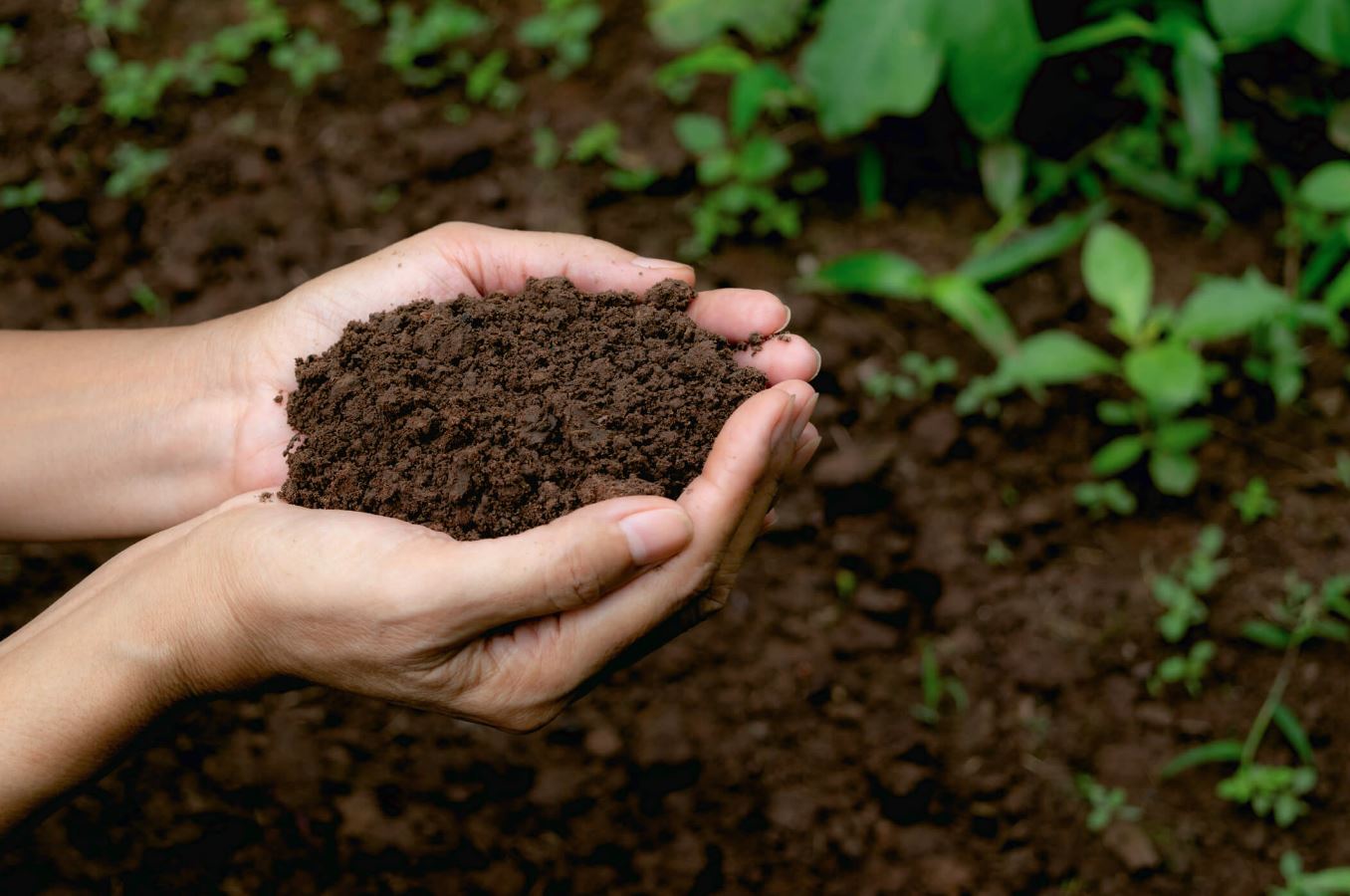
For centuries, people have viewed soil as an inert backdrop to planting, but modern understanding reveals that its vitality rivals that of any rainforest. Within a single handful, there are more living organisms than humans on Earth. These microscopic workers breathe, feed, and reproduce, generating the conditions necessary for growth. They regulate water, store carbon, and exchange nutrients through an intricate web of symbiotic relationships. When this balance is disturbed through overuse or neglect, the entire ecological rhythm falters. To restore it is to give life another chance to continue its cycle without interruption.
The Anatomy of Fertility
Healthy soil possesses both structure and soul. Its texture reveals its story: loam crumbles easily, holding moisture yet allowing breath, while clay compacts, suffocating roots that seek freedom. Sand drains too quickly, denying roots the drink they crave. The perfect soil combines these elements, forming a structure that balances retention with release. Within this architecture lie minerals, calcium, magnesium, potassium, nitrogen, and phosphorus, that fuel plant vitality. Yet these nutrients alone are not enough. Without organic matter, soil becomes sterile, losing its capacity to regenerate. Organic matter is the spirit of fertility, composed of decomposed leaves, animal waste, and plant residue that feed microorganisms. As this matter breaks down, it releases nutrients slowly, ensuring longevity rather than brief abundance.
Fertility also depends on structure at the microscopic level. The aggregation of soil particles forms pockets that hold water and air. Fungi stretch through these spaces like delicate threads, linking roots to distant minerals. Bacteria colonize organic matter, converting waste into energy. Worms tunnel through the matrix, mixing layers and improving aeration. Together, they create an ecosystem that breathes. When this structure is compacted by over-tilling or heavy machinery, the living network collapses. Recovery becomes slow and painful, often requiring years of restorative care. The anatomy of fertile soil, therefore, is not built overnight; it is cultivated through patience, understanding, and respect for natural processes that resist haste.
The Dance of Microbes and Roots
In the underworld of soil, roots and microbes perform an ancient dance of exchange. Plants release sugars through their roots, feeding bacteria and fungi that, in return, provide essential nutrients. This invisible partnership, called the rhizosphere, functions like a bustling city of trade. Microbes bring nitrogen from the air, unlock phosphorus bound in minerals, and protect plants from pathogens by forming natural barriers. Fungal networks, or mycorrhizae, stretch beyond individual plants, linking entire ecosystems in communication. Through these threads, nutrients move from one species to another, ensuring collective survival. The symbiosis extends beyond feeding; it teaches resilience. A plant surrounded by healthy microbes withstands disease, drought, and stress with greater endurance.
When we apply synthetic fertilizers carelessly, we often disrupt this harmony. The sudden flood of nutrients overwhelms microbial populations, silencing their work. In the short term, plants may appear vigorous, but over time, the soil becomes dependent and sterile. Reintroducing life into such soil requires compost, cover crops, and minimal disturbance. Encouraging microbial activity means feeding them naturally, keeping soil covered, and maintaining moisture. Once balance returns, growth becomes effortless again. The dance resumes, and the ground regains its song. This relationship reminds us that health cannot be forced; it must be invited through trust and consistency.
The Role of Water and Air in Living Soil
Soil breathes through its pores just as lungs inhale and exhale. Air allows microbes and roots to function properly, delivering oxygen and enabling gas exchange. Without air, soil suffocates, leading to rot and stagnation. Water, in turn, serves as the carrier of life. It dissolves nutrients, transports them through capillary channels, and hydrates every organism within the matrix. The balance between moisture and oxygen determines vitality. Oversaturation fills air spaces with water, drowning roots and starving aerobic life. Conversely, prolonged dryness leaves microbes dormant and plants desiccated. Healthy soil maintains a steady rhythm between wet and dry, supported by structure that absorbs rainfall yet releases excess.
Organic matter acts as the guardian of this balance. It behaves like a sponge, holding water while preventing flooding. Mulch, compost, and living roots all contribute to this resilience. On a microscopic scale, water films surround soil particles, forming bridges that allow nutrients to move. Air travels through the gaps, carrying life-giving gases. The art of soil management lies in sustaining these invisible relationships. By avoiding compaction, practicing mulching, and incorporating organic material, one can keep the balance of air and water alive. In doing so, the garden becomes self-regulating, capable of enduring both drought and storm.
The Memory of Organic Matter
Organic matter is the memory of the land, the record of everything that once lived and returned to the earth. Every leaf that falls, every root that decays, and every creature that perishes adds another chapter to this memory. Decomposition transforms loss into potential, binding the past to the future. Humus, the dark and fragrant result of complete decay, becomes the most precious layer of soil. It stabilizes structure, stores moisture, and fuels microbial life. Its color speaks of depth and renewal, showing that death in nature is never an ending but a continuation of life through transformation.
Building organic matter requires patience. Composting is one of the simplest and most profound ways to feed this process. Kitchen scraps, dried leaves, and grass clippings combine to form a living cycle of energy. As microbes heat the pile, organic compounds break down into simpler forms, eventually cooling into fertile humus. Incorporating compost into soil restores vitality more effectively than any artificial amendment. Over years, continuous additions build resilience, improving both texture and fertility. The memory within organic matter does not fade; it deepens with time, carrying the story of the garden itself in every particle.
The Influence of Human Hands
Every gardener leaves an imprint on the soil, visible in structure, chemistry, and spirit. How we walk, dig, and plant changes the earth’s character. Footsteps compact surfaces, tools disturb layers, and choices of fertilizer alter the ecosystem’s balance. The influence of human care can either nurture or exhaust. Sustainable stewardship begins with humility, the recognition that we are guests rather than masters. Practices like no-till gardening, cover cropping, and composting allow soil to heal while still supporting productivity. These methods mirror natural systems, where decay and growth coexist without waste.
Beyond technique, intention shapes outcome. When we approach soil with reverence rather than urgency, results shift. Taking time to observe before intervening, touching earth gently, and minimizing disruption create trust. The soil responds with abundance. Overworking, on the other hand, often produces depletion masked as progress. The lesson is one of restraint. Every handful of rich soil represents years of accumulation. Respecting that time transforms gardening from manipulation into stewardship, an act of co-creation rather than control.
The Balance of Nutrients and pH
Just as the human body requires balanced nutrition, soil thrives on equilibrium. Essential nutrients like nitrogen, phosphorus, and potassium form the foundation of plant health. Calcium strengthens cell walls, magnesium drives photosynthesis, and sulfur contributes to protein formation. Yet abundance can become imbalance. Excess nitrogen, for example, promotes rapid leafy growth at the expense of flowers and fruit. Similarly, phosphorus accumulation can block micronutrients. Soil pH further determines how well roots absorb these elements. Most plants prefer a slightly acidic to neutral range, where nutrient availability peaks. When pH shifts too far in either direction, even rich soil becomes ineffective.
Testing soil periodically provides insight into these dynamics. Adjustments should be gradual, guided by natural amendments rather than synthetic extremes. Lime raises pH, while sulfur lowers it. Compost, meanwhile, moderates fluctuations and reintroduces trace minerals. Diversity of inputs leads to resilience. Instead of feeding plants directly, the goal should be to feed the soil. When its chemistry aligns, plants naturally find their balance. The difference between forced fertility and true health lies in this invisible harmony between elements.
The Renewal Through Cover and Rest
Nature never leaves soil exposed. In forests, fallen leaves and roots protect the surface, preventing erosion and moisture loss. In gardens, the same principle applies through mulch and cover crops. Mulching shields the topsoil from harsh sun, regulates temperature, and slows evaporation. It also suppresses weeds and feeds microorganisms as it decomposes. Cover crops, such as clover or rye, extend protection further. They fix nitrogen, break up compaction, and attract beneficial insects. When turned back into the soil, they enrich it organically, continuing the rhythm of renewal. Allowing the land to rest periodically restores its strength. Crop rotation and seasonal breaks prevent nutrient exhaustion and disease buildup.
Rest is not neglect but wisdom. Even soil needs recovery after seasons of giving. During these pauses, roots decay into passageways for air and moisture, worms rebuild tunnels, and microbes reestablish equilibrium. A garden that honors rest remains fertile for generations. The temptation to push productivity year-round often leads to depletion. Instead, observing nature’s cycles offers the best guidance. The earth teaches that restoration is not separate from growth but its foundation. Through cover and rest, the invisible mechanics of health continue, unseen but constant, beneath a blanket of renewal.
The Eternal Conversation Beneath Our Steps
The soil beneath us holds stories older than memory. Every handful represents centuries of transformation, rock to dust, dust to life, life to renewal. To tend soil well is to join this ancient dialogue. It asks for patience, listening, and reciprocity. The gardener becomes both caretaker and participant in a cycle that transcends seasons. Each seed planted, each compost added, and each gentle step taken upon the earth becomes part of a greater conversation about resilience and care. In return, the soil gives abundance without demanding glory. Its generosity is quiet but endless, shaping every leaf, every fruit, and every breath we take. When we treat it as living, it rewards us with life multiplied. The ground beneath the garden is not passive; it is the heart that beats beneath creation, the first and last refuge of all that grows.