
Containers Become Gardens of Possibility
The Boundless Beauty of Growth in Limited Spaces
The Beginning of Contained Dreams
A container may appear simple at first glance, a vessel of clay, metal, or plastic, yet within its boundaries lies infinite potential. The practice of container gardening reveals that space is not the defining measure of growth but rather imagination. A single pot can host a miniature landscape, a self-contained world where soil, sunlight, and care converge. Whether placed on a balcony, doorstep, or window ledge, a container allows anyone to cultivate life. It transforms still corners into living sanctuaries, proving that gardening belongs not only to those with open fields but to anyone with the will to nurture. The act of filling a pot with earth becomes a gesture of creation, an invitation to begin anew even in the smallest of spaces.
Many gardeners find their first sense of empowerment in container gardening. It is approachable yet deeply expressive, practical yet poetic. The limits of a pot teach lessons about proportion, patience, and balance. Each container becomes a canvas, and every plant choice tells a story. As roots spread through confined soil, they reveal the gardener’s quiet devotion, an ongoing dialogue between human care and natural rhythm. From that first handful of soil, a world begins to take shape, intimate yet expansive, humble yet profound.
The Harmony Between Soil and Space
Choosing the right soil for container gardening is as crucial as choosing the plants themselves. Within the limited volume of a pot, every grain carries weight. The soil must balance moisture retention with drainage, providing roots with the perfect blend of air and nutrients. It must breathe, holding life without suffocating it. Gardeners learn quickly that container soil is not the same as garden bed soil. Potting mixes are lighter, often enriched with organic matter, peat, or compost to foster aeration. The gardener, in turn, becomes a chemist of growth, combining texture and composition to create equilibrium within constraint. This interplay of soil and space forms the invisible architecture of success.
Over time, the gardener develops intuition, learning to read the soil’s subtle language. A container that drains too quickly whispers of imbalance, while one that remains heavy after rain hints at stagnation. Adjustments come through gentle experimentation, guided by observation and touch. There is an art to feeling when roots need more air, when moisture should linger longer, and when nutrients must be replenished. The soil’s behavior becomes a reflection of care itself. In nurturing it, the gardener nurtures the soul of the plant and, in a quiet way, their own patience.
The Selection of Containers and Character
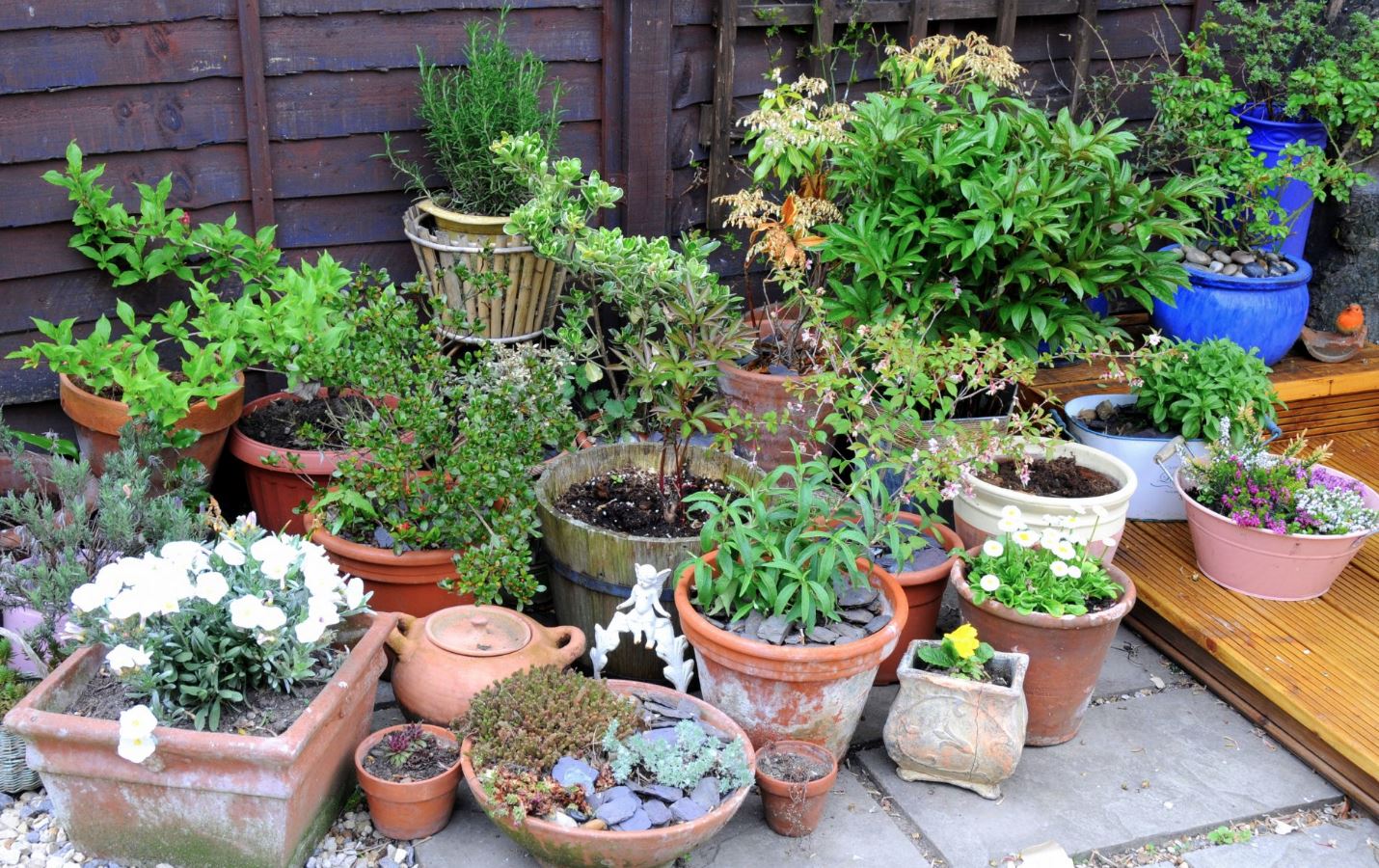
Every container tells a story before a single seed is sown. Terracotta breathes warmth and tradition, its porous texture allowing air and water to flow freely. Ceramic pots bring color and artistry, reflecting light with gentle elegance. Metal containers hold a modern edge, while wooden boxes evoke rustic charm. Even repurposed items, a chipped teapot, a weathered barrel, or an old crate, can become vessels of life when filled with soil. The diversity of containers invites creativity and individuality, transforming gardens into reflections of their caretakers. Each choice speaks of preference and personality, turning practicality into aesthetic expression.
Beyond beauty, form must meet function. Containers differ not only in appearance but in how they interact with the environment. Deep pots cradle root vegetables and tall perennials, while shallow trays suit herbs or succulents that prefer dry, open spaces. The gardener’s selection shapes not just the look of the garden but its rhythm. In every vessel, there exists a balance between containment and freedom. It is this balance that defines the spirit of container gardening, the ability to shape nature while allowing it to remain wild at heart.
The Language of Light and Water
Light and water are the unseen threads that weave a container garden together. They dictate the dance between growth and rest, between abundance and decline. Unlike ground gardens, containers depend entirely on the gardener’s intervention for hydration. A day of neglect can undo weeks of effort, yet too much water suffocates the roots. The gardener learns to observe leaves for signs of thirst or excess, to feel the soil’s surface, to listen to the subtle changes in color and texture. Each plant speaks in its own way, and over time, those signals become familiar, a language of trust built between caretaker and creation.
Sunlight, too, demands attention. Containers offer mobility, allowing plants to follow the sun’s path or retreat from its intensity. This flexibility is both gift and responsibility. Morning light may encourage gentle growth, while afternoon rays bring strength or stress depending on the species. Shade-loving plants flourish beneath protection, while sun-seekers reach eagerly toward brightness. The gardener becomes choreographer, moving pots and planters in rhythm with the seasons. Through these small adjustments, harmony is maintained. The language of light and water becomes fluent only through practice, but once mastered, it grants the garden vitality beyond its size.
The Art of Plant Companionship
In the confined setting of a container, relationships between plants take on heightened significance. Some species complement each other, sharing nutrients, space, and even scent to ward off pests. Others compete for light or moisture, demanding separation to thrive. Choosing companions is both science and intuition. Basil finds friendship with tomatoes, mint prefers solitude, and marigolds guard their neighbors with quiet strength. Understanding these dynamics allows the gardener to create miniature ecosystems that balance productivity with beauty. The interplay of foliage, form, and color transforms containers into living compositions.
Plant companionship also extends to emotion. A combination of textures, a feathery fern beside a bold coleus, or a trailing ivy beneath a bright geranium, awakens a sense of contrast and unity. The gardener’s eye becomes attuned to how shapes converse and how colors soothe or energize. These subtle design choices turn functionality into poetry. Each container becomes a portrait of coexistence, a statement that even within boundaries, diversity flourishes. The garden ceases to be a collection of plants and becomes instead a chorus of living voices, harmonizing in confined yet boundless space.
The Seasons Within a Pot
Container gardens evolve with the calendar, mirroring the larger cycles of nature while offering a more immediate reflection of time. Spring fills pots with promise, seedlings stretching skyward, roots exploring their small universes. Summer arrives with a burst of growth, every leaf and bloom responding to warmth and care. Autumn introduces maturity, colors deepening and textures thickening as the year prepares to rest. Winter brings stillness, yet even then, containers remain alive in memory and anticipation. The gardener’s role shifts with each phase, adapting watering, pruning, and replanting to the rhythm of change.
Unlike traditional gardens, container spaces allow rapid renewal. Plants can be swapped with the seasons, soil refreshed, and arrangements reimagined. This adaptability keeps creativity alive year-round. Even when frost descends, containers can migrate indoors, extending life beyond the limits of weather. In these shifting cycles, the gardener experiences renewal not just in the plants but in themselves. Each season becomes an opportunity to begin again, to learn from what thrived and what faltered, and to honor the continuity of growth in every ending.
The Philosophy of Restraint and Renewal
Container gardening teaches restraint in ways that open gardening cannot. Space limits the gardener’s impulses, requiring deliberate choice. Every plant, every arrangement, every color must earn its place. There is no room for excess, and so the gardener becomes selective, intentional, and deeply aware. This restraint cultivates clarity. It teaches that abundance is not measured in quantity but in harmony. In caring for contained life, one learns that beauty arises from balance, not from excess. This philosophy seeps quietly into daily living, reshaping how one perceives simplicity and sufficiency.
Renewal, too, is a central lesson. Containers must be refreshed, their soil replenished, and their roots sometimes pruned to make space for new life. These cycles of clearing and replanting echo human experience, the need to let go, to prepare, and to begin again. The gardener learns that limitation is not restriction but opportunity. The container, rather than confining life, gives it form and focus. Through the discipline of maintenance and renewal, the gardener finds a deeper connection to growth, patience, and impermanence.
The Joy of Creative Expression
In container gardening, creativity blooms as freely as the plants themselves. Each pot becomes an artwork, shaped by imagination and intuition. The gardener experiments with color contrasts, combining the soft pastels of lavender with the bold crimson of geraniums or the silver tones of dusty miller. Arrangement becomes expression. Height, texture, and rhythm interplay like brushstrokes on a canvas. Even failure becomes part of the artistry, teaching lessons that inform future designs. Every change of season or setting provides a chance to reinvent the space without ever needing to uproot entirely.
Beyond aesthetics, creative expression in container gardening invites emotional resonance. A container placed near an entryway welcomes guests, while one on a windowsill greets the morning light. The act of tending becomes both functional and contemplative, offering stillness amid motion. It allows for experimentation without fear, for play within purpose. The garden, however small, becomes a mirror of its keeper’s heart, a living gallery where care and imagination intertwine. In this form of artistry, impermanence is embraced, and every bloom feels like a triumph over space itself.
The Garden Without Boundaries
Container gardening redefines what it means to cultivate. It proves that beauty and nourishment need no vast landscape, only dedication and vision. In every container rests a universe, soil, roots, water, and hope intertwined. The gardener who embraces this practice discovers freedom within limitation, a sense of abundance born not from size but from intention. Each plant grown, each flower that opens, stands as proof that life adapts, thrives, and renews wherever care allows it to. The boundaries of the pot are not constraints but frames for creation. Within them, the spirit of gardening finds new dimensions, continuing to bloom wherever hands are willing to nurture it.