

The Garden That Listens to Its Irrigation Song
Understanding the Harmony Between Flow, Soil, and Growth
The First Whisper of Water
Before a single drop touches the soil, there is intention. The gardener stands before the earth, aware that water is both life and responsibility. Every garden tells a story of how it receives and shares moisture, and the first whisper of water marks the beginning of that story. Irrigation, at its heart, is not about abundance but about rhythm. To irrigate well is to understand the dialogue between plant and environment, to feel when the roots are thirsty and when they are at peace. The ancient art of guiding water has existed since the earliest civilizations carved channels beside rivers. Yet even now, in backyards and urban gardens, the same principle holds true. The gardener does not command water; they guide it, shaping its path with respect and awareness.
When irrigation begins, the soil wakes. Its texture softens, the scent deepens, and life beneath the surface stirs. Worms rise, microbes bloom, and roots extend into the coolness below. The simple act of watering becomes sacred in its repetition. Each cycle sustains not only plants but the entire ecosystem bound to that moisture. This relationship between human care and natural need defines the garden’s success. In the beginning, it seems simple, but every drop carries its own wisdom, teaching patience and precision in equal measure.
The Language of Soil and Absorption
Soil is the great interpreter of water’s generosity. Its structure, composition, and temperament determine whether irrigation nurtures or overwhelms. Sandy soil welcomes water eagerly but cannot hold it for long, while clay grips it tightly, reluctant to share. Loam, the gardener’s treasure, balances both, absorbing and releasing in gentle measure. Understanding this language transforms watering from guesswork into art. The gardener learns to touch the soil, to read its tone. Moisture should reach the roots without drowning them, leaving the upper layer firm yet yielding. Too shallow a watering invites surface roots that wither in heat. Too deep, and the ground becomes stagnant, starved of air.
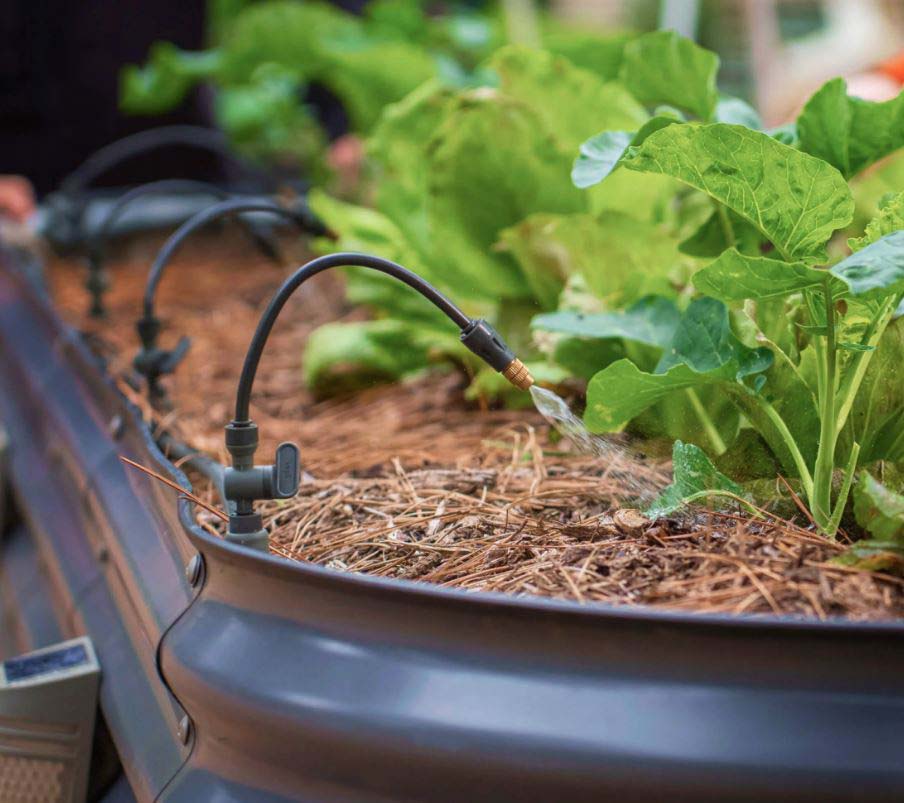
Modern irrigation systems adapt to these subtleties through innovation. Drip lines deliver water precisely at the base of each plant, conserving every drop. Soaker hoses breathe moisture into the ground at a slow, steady pace, ideal for dense beds or raised gardens. In contrast, overhead sprinklers mimic rain, creating a gentle rhythm across lawns and broad plots. Yet even with technology, success depends on awareness. Sensors, timers, and pumps serve as extensions of intuition, not replacements for it. The gardener still listens, still observes how the soil responds after each session. Irrigation, no matter how advanced, remains a partnership with the living earth.
The Dance of Roots and Flow
Roots and water share a relationship of trust. They stretch toward what sustains them but recoil from excess. An irrigation system that honors this balance creates growth that is strong, not fragile. Deep watering encourages roots to travel downward, anchoring the plant against drought and wind. Shallow or erratic watering keeps them near the surface, vulnerable to sun and evaporation. The rhythm of watering must therefore follow the rhythm of life itself, steady, reliable, but never indulgent. Plants flourish when they sense consistency beneath the soil, a silent assurance that sustenance will return in time.
Each species speaks a different dialect of thirst. Lettuce and herbs crave regular moisture, their delicate tissues dependent on steady hydration. Tomatoes and peppers prefer drier intervals, developing richer flavor in mild stress. Perennials and shrubs adjust with the seasons, drawing from stored reserves as they mature. The gardener, like a musician, adjusts the tempo according to these needs. Irrigation becomes choreography, a flow of timing and touch that ensures every root drinks just enough to thrive. Through this dance, the connection between human and nature deepens, revealing that control is never the goal, understanding is.
The Gift of Precision and Conservation
Water is a gift too precious for waste. As climates shift and droughts extend their reach, conservation becomes an ethical responsibility. Modern irrigation systems embody this consciousness. Drip irrigation, in particular, stands as a model of efficiency, delivering water directly to roots with minimal loss. Each emitter releases moisture drop by drop, preventing evaporation and runoff. Automated systems, when used thoughtfully, adapt to weather changes and soil moisture levels. They sense rainfall, adjust schedules, and ensure that no area receives more than it needs. Yet technology alone does not create sustainability, it is guided by intention.
The gardener’s awareness transforms conservation from habit into philosophy. Collecting rainwater in barrels, channeling graywater from household use, and mulching soil surfaces all extend the life of each drop. Shade structures reduce evaporation, and careful plant grouping ensures compatible needs. In this way, irrigation becomes more than maintenance; it becomes stewardship. The gardener learns that every resource shared with the land must be returned with care. When water is respected, the garden repays the gesture with resilience. Plants withstand heat, blossoms remain vibrant, and soil remains alive, capable of nurturing future growth. Precision becomes a form of gratitude, a reminder that abundance can coexist with mindfulness.
The Wisdom of Traditional Practices
Long before pipes, valves, and sensors, water moved through gardens by the wisdom of tradition. Ancient farmers mastered the flow of streams and rivers, shaping channels that echoed the curves of the land. The qanats of Persia, the terraces of the Andes, and the irrigation ditches of early Mesopotamia each demonstrated an understanding deeper than technology, a spiritual respect for water’s nature. These methods endured because they worked with, not against, the environment. Water followed gravity, seeped through natural filters, and nourished the soil without waste. In many rural and indigenous communities, these practices remain alive, blending heritage with practicality.
Modern gardeners can learn from this heritage. Terracing on slopes prevents erosion and captures rainfall. Clay pots buried beneath the surface release moisture slowly, feeding roots directly. Simple furrow systems channel water along vegetable rows, combining efficiency with accessibility. These time-tested designs remind us that sophistication often lies in simplicity. The earth already knows how to manage water; the gardener’s task is to listen. By revisiting ancient wisdom and merging it with modern tools, irrigation becomes not just mechanical but cultural, a bridge between history and sustainability.
The Music of Timing and Flow
The success of any irrigation system depends as much on timing as on structure. Early morning remains the gardener’s best companion. At dawn, the air is cool, the wind still, and evaporation minimal. Watering at this hour gives plants time to absorb moisture before the sun demands its share. Evening watering, while tempting, carries risk. Moisture left on leaves overnight invites mildew and rot. The rhythm of the day, therefore, becomes part of the system’s design. Timers can mimic this cycle, releasing water at precise intervals, but the gardener’s intuition refines the schedule. Observation reveals how quickly soil dries, how deeply roots drink, and how leaves respond in midday light.
Flow, too, requires attention. Pressure too high causes runoff, washing away nutrients and leaving roots parched. Pressure too low leaves dry pockets in the soil, starving certain areas while drowning others. Adjusting valves, checking emitters, and cleaning filters ensures that water moves with intention. Like tuning an instrument, it requires patience and precision. The gardener who listens to the sound of sprinklers, the pulse of drip lines, and the rhythm of rainfall discovers that irrigation has its own kind of music, a harmony composed of movement, stillness, and return.
The Challenges of Change and Climate
As weather patterns shift, irrigation faces new challenges. Rain becomes unpredictable, and dry seasons extend beyond expectation. Gardens that once thrived on seasonal rainfall now depend on intervention. This change compels gardeners to innovate. Smart systems integrate sensors and data to respond dynamically to real-time conditions. Some use solar power, aligning sustainability with modern efficiency. Yet adaptation is not merely technological, it is philosophical. The gardener learns to plant with awareness, choosing species that thrive in local climates rather than forcing the land to conform. Deep-rooted natives, drought-tolerant herbs, and mulched beds reduce dependency on constant watering.
In this evolution, the garden becomes a microcosm of global resilience. It reflects the possibility of balance even amid uncertainty. By blending innovation with restraint, gardeners transform necessity into artistry. Each adjustment, whether a shorter watering cycle or a redesigned channel, carries intention. Through this mindful approach, irrigation evolves from a mere system into a conversation about survival and respect. The flow of water across a garden becomes symbolic of the larger flow between human care and the changing planet, a dialogue that continues with every drop that finds its way home to the soil.
The Return of Rain and Renewal
There comes a day when rain returns, washing away dust and reminding the gardener that not all nourishment is human-made. Natural rainfall remains the most harmonious form of irrigation. It balances minerals, oxygenates the soil, and softens hard earth without force. The sound of rain against leaves carries reassurance that the cycle continues without intervention. Yet even here, irrigation plays a role. Systems that collect and store rainfall extend nature’s generosity into dry weeks ahead. Gutters, barrels, and cisterns capture runoff from rooftops, transforming it into reserves for future growth. The gardener, by blending human effort with natural rhythm, creates continuity between seasons.
When rain and irrigation work together, the garden transcends dependency. It becomes a self-sustaining organism, adapting gracefully to whatever sky brings. Moisture returns to the ground, evaporates into clouds, and falls again, each phase feeding the next. In this eternal loop, the gardener’s role is neither master nor observer but participant. To irrigate is to join that cycle with awareness. To collect rain is to express gratitude. In every drop that falls or flows, the garden remembers its origin and purpose: to grow, to give, and to renew endlessly.
The Garden That Flows With Time
When all is said and done, irrigation is not just a system of pipes and valves. It is the breath of the garden, the invisible current that connects sky to soil, care to creation. The gardener who learns its rhythm becomes part of something timeless. Through each watering, through each adjustment, they shape the story of survival and abundance. The true measure of success lies not in lushness alone but in balance, the understanding that every drop serves a purpose and none are wasted. In the quiet hours of dawn, as water trickles through channels and settles into the roots, the garden feels alive with gratitude. It remembers the hands that guide it, the patience that sustains it, and the humility that lets it thrive. To irrigate well is to live in rhythm with the earth, to trust the wisdom of flow, and to know that every act of care returns, eventually, as bloom.