

Transform Your Yard with a Low-Maintenance Rock Garden
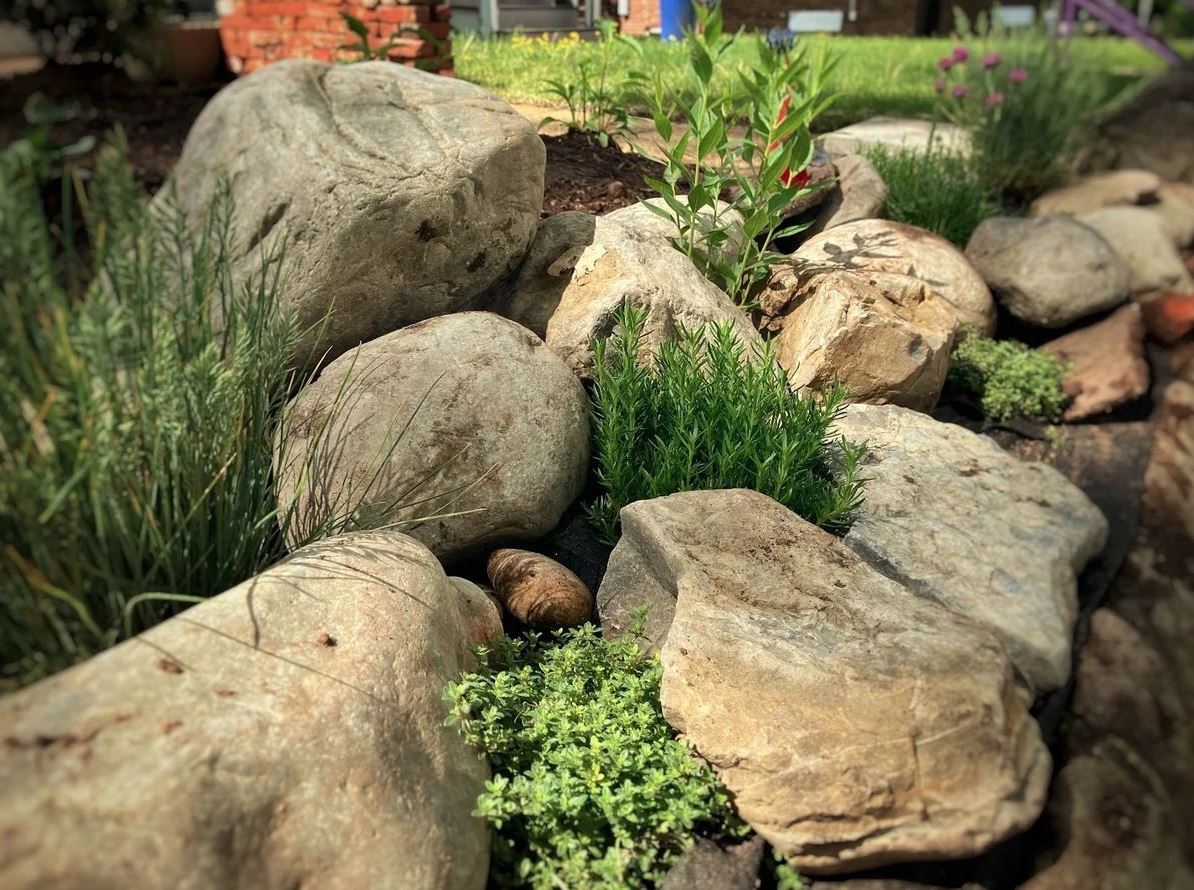
Harmony Between Earth, Texture, and Growth in the Timeless Craft of Rock Gardens
The Ancient Roots of Stone and Soil
In every culture that has celebrated the relationship between land and life, there exists a reverence for stone. Long before rock gardens became an expression of landscape artistry, they were symbols of endurance and balance. In Japan, stones were arranged to represent mountains and islands within Zen temples, creating miniature worlds that embodied stillness and reflection. In Europe, early rockeries emerged as showcases for alpine plants collected from mountainous regions, allowing rare species to thrive within carefully composed microclimates. Across deserts, hills, and cliffs, humanity has long admired how plants and stones coexist, each lending strength and softness to the other. The rock garden evolved from this observation, a testament to patience and permanence where the unyielding nature of stone meets the delicate persistence of life.
Every stone in such a garden tells a story. It might once have been part of a mountain or a riverbed, shaped by erosion and time. Placed thoughtfully, these rocks anchor the landscape, giving it rhythm and form. They define not just the physical structure but also the emotional tone of the space. A garden built of stone and plant does not seek symmetry or perfection. It seeks truth, a reflection of how nature composes its own masterpieces in quiet, uneven harmony. The ancient origins of rock gardens remind us that design is not always invention but remembrance, a return to the patterns the Earth itself has written in its hills and valleys.
The Philosophy of Stillness in Design
A rock garden is less about decoration and more about emotion. It invites contemplation through simplicity. The stones, though static, seem to move in relation to one another, forming pathways for the eye and mind. The design process, therefore, becomes a dialogue between chaos and order. Every placement must appear effortless, yet behind that illusion lies deep understanding of proportion and rhythm. The rocks should never look imposed; they should feel as if they have always been there. This is the essence of stillness in design, the art of blending human intention with nature’s authenticity.
Texture plays a quiet but crucial role. Rough stones complement smooth ones, large boulders balance with smaller pebbles, and open soil contrasts with dense planting. The result is visual harmony that feels alive even in silence. Water, when introduced, deepens this tranquility. A trickling stream, reflecting light between stones, introduces sound and motion that complete the sensory experience. The surrounding plants, succulents, mosses, or creeping ground covers, soften edges, uniting living and inert matter in seamless coexistence. This balance teaches a lesson about restraint. A rock garden is never crowded, never loud. It relies on the power of space and subtlety to evoke serenity. It reminds us that peace often lies not in abundance but in simplicity carefully arranged.
Choosing Stones That Speak
The stones of a garden are not random. They are the foundation, the skeleton, and the soul. Choosing them demands intuition as much as technical skill. Each stone possesses character, its texture, color, grain, and shape all contribute to the story being told. A weathered limestone conveys softness and age, while granite evokes permanence and strength. Basalt, with its dark hue and fine grain, brings depth, and sandstone, with its warm tones, invites comfort. The caretaker must sense how these qualities interact with light, shadow, and surrounding vegetation. A stone that appears plain in one position can become extraordinary when turned, revealing subtle striations or contours hidden beneath its surface.
Placement is equally vital. Large stones serve as anchors, smaller ones as connecting elements. The arrangement should mimic natural formations, suggesting erosion, layering, or movement caused by wind and water. Horizontal stones create calm, while vertical ones introduce tension and height. In Japanese gardens, the orientation of stones often carries symbolic meaning, mountains, islands, or waves frozen in time. Though modern rock gardens may not follow spiritual symbolism, they still rely on balance. Each stone must feel both independent and connected, as though it has found its rightful home. When done with care, the stones do not merely decorate the space, they define it, turning still earth into sculpture.
The Plants That Thrive Among Stones
Plants in a rock garden are not chosen for grandeur but for resilience and grace. They must survive with minimal soil and water, thriving in crevices where roots cling to narrow spaces. These species often come from alpine or arid environments, accustomed to extremes of temperature and scarcity. Sedums, sempervivums, and thyme spread low across the ground, forming carpets of color that contrast beautifully against stone. Saxifrages nestle into cracks, while dwarf conifers bring evergreen structure. For blooms, alpine poppies, dianthus, and campanulas add delicate bursts of color without overwhelming the scene. Each plant plays a part in the overall composition, creating continuity between living and mineral elements.
The true challenge lies in achieving natural growth patterns. A plant should never appear forced or out of place. It must seem as if it found its way there on its own, drawn by the shelter and warmth of the stones. Over time, moss and lichen may colonize surfaces, further blurring the line between design and wilderness. The garden ages gracefully, maturing rather than decaying. With each passing season, new textures emerge, flowers in spring, dry seed heads in summer, and frost-encrusted stones in winter. This living evolution is what makes rock gardens unique. They are not static creations but ever-changing landscapes that invite rediscovery year after year.
Soil, Drainage, and the Invisible Framework
Beneath the beauty of a rock garden lies its most critical component: structure. Without proper soil and drainage, even the most artful design will fail. Rocks by nature create microclimates, pockets of moisture, shade, and heat. The soil must accommodate these contrasts while preventing stagnation. A well-built rock garden begins with a foundation of gravel or coarse sand to ensure free drainage. Above this, a mixture of loam, grit, and compost creates an environment where roots can breathe while retaining essential nutrients. The gradient of the garden, ideally on a gentle slope, allows water to flow naturally, mimicking conditions found in mountain terrain.
Maintenance becomes an ongoing conversation with the elements. Rain may shift smaller stones, frost may heave soil, and plants will spread into new territories. Adjustments should be subtle, preserving the natural rhythm rather than imposing control. Seasonal care includes removing weeds that disrupt harmony, refreshing gravel to maintain clean lines, and trimming plants that overgrow their boundaries. In this way, the invisible framework of soil and structure supports the visible grace above it. When balanced correctly, even the smallest rock garden feels complete, grounded in both beauty and biology.
Rock Gardens in Modern Spaces
As urban landscapes grow denser and outdoor areas shrink, rock gardens offer a form of gardening that thrives in limited space. They require less maintenance than lawns or flowerbeds and provide enduring visual interest through every season. Modern designs often blend traditional elements with contemporary aesthetics. Sleek stones paired with native grasses create minimalist compositions suited for patios or rooftops. Water features, when integrated subtly, introduce reflection and sound without demanding complex systems. Lighting adds another dimension, casting dramatic shadows across textured surfaces at night.
In small urban yards, container rock gardens have gained popularity. Shallow troughs or raised beds can mimic natural rock formations, complete with miniature succulents and gravel pathways. These portable landscapes offer the tranquility of nature to those with only balconies or terraces. Moreover, rock gardens complement sustainable living by requiring minimal irrigation and supporting pollinators through flowering ground covers. They embody ecological elegance, gardens that respect both the Earth and the pace of modern life. The beauty of the rock garden lies in its adaptability. Whether sprawling across a hillside or contained in a single basin, it transforms any environment into a dialogue between resilience and grace.
The Symbolism of Stone and Growth
Every element in a rock garden carries symbolic weight. Stones, ancient and immovable, represent endurance. Plants, fragile yet persistent, embody renewal. Together they reflect the duality of existence, permanence and change intertwined. In many traditions, stones serve as meditative focal points, inviting stillness of thought. Their unchanging presence contrasts the fleeting nature of leaves and blossoms, teaching acceptance of life’s impermanence. The caretaker who tends such a garden participates in a silent ritual, balancing opposites with every placement and pruning.
Beyond symbolism, the emotional resonance of rock gardens lies in their grounding energy. They remind us to slow down, to see beauty in subtle variations of form and texture. The surface of a weathered stone tells of centuries of endurance, while the bloom of a single alpine flower tells of life’s persistence. This juxtaposition mirrors the human experience, strength and vulnerability coexisting in harmony. Those who create or visit rock gardens often describe a sense of clarity, as if standing in a place untouched by time. It is this spiritual quiet that transforms ordinary soil and stone into a sanctuary for reflection and renewal.
The Patience Behind the Landscape
Rock gardens are built slowly, often evolving over years rather than weeks. Their creation demands foresight and restraint. Unlike ornamental gardens that flourish within a season, a rock garden matures gradually. Plants settle into their places, roots intertwine with stones, and the landscape deepens in character. This process cultivates patience in the gardener. Each adjustment must consider the long-term consequence, as even a small shift in a boulder or alteration in slope can change the entire dynamic. There is satisfaction in this deliberate pace. The gardener becomes a collaborator with time, learning that growth cannot be hurried and beauty cannot be forced.
Maintenance follows the same philosophy. Rock gardens require attention but not intervention. They thrive best when left to evolve within gentle guidance. The reward comes quietly, the moss that appears uninvited, the stone that glows differently after rain, the way morning light reveals new perspectives on familiar formations. Through this patience, caretakers begin to mirror their creation. They adopt the calm endurance of stone and the quiet persistence of roots. In nurturing a rock garden, one learns that the truest artistry often lies not in control but in trust, the willingness to let nature finish the story one has begun.
The Garden That Whispers of Time
At its heart, a rock garden is not merely a collection of stones and plants. It is a landscape that captures the essence of time itself. Every crevice, every weathered surface tells of movement and memory. The gardener who builds such a space does more than arrange matter; they compose stillness. In a world that rushes endlessly forward, the rock garden stands as a pause, a breath drawn in appreciation of endurance and quiet beauty. It teaches that strength is not loud and growth need not be swift. Over the years, as stones gather moss and roots deepen, the garden becomes a reflection of life’s continuity. It asks nothing but attention, gives nothing but peace, and reminds all who wander through that even the hardest surfaces can cradle life. The stones remain, the plants renew, and between them lies the infinite story of harmony between motion and stillness.