

Wings Over the Meadow
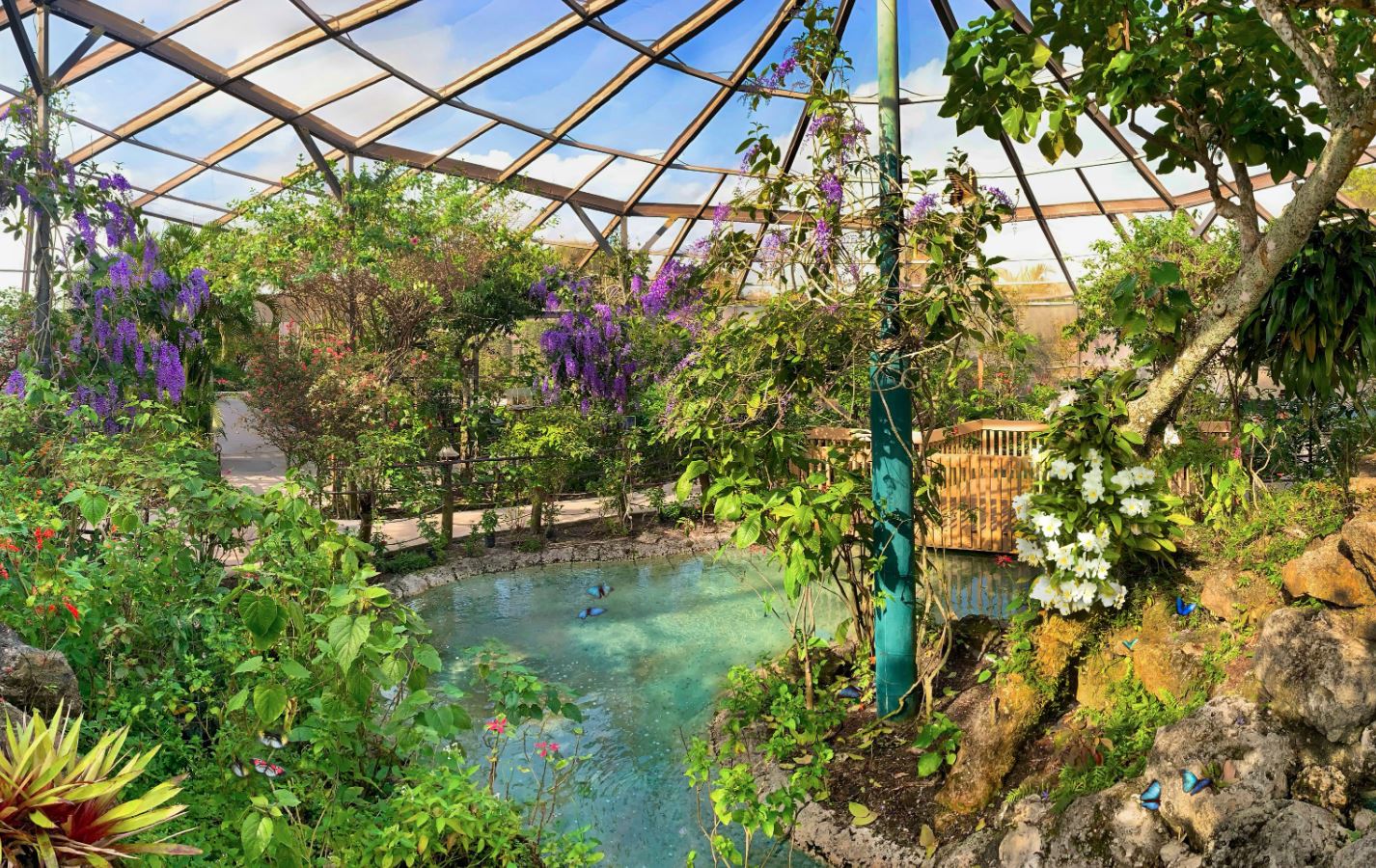
Creating Gardens that Welcome the Gentle Symphony of Butterflies
The First Flutter of Imagination
Every butterfly garden begins with a quiet dream. It is the vision of color, light, and movement woven together in harmony. To build such a garden is to invite transformation, both for the land and for oneself. A butterfly garden is not merely an arrangement of flowers, it is a living ecosystem designed with intention. It asks the gardener to consider the smallest details, from the shape of a leaf to the timing of a bloom. When thoughtfully designed, it becomes a sanctuary where beauty and biology meet. Butterflies are not drawn by chance, they come because the garden speaks their language through scent, nectar, and shelter. This kind of landscape feels alive because it is not static. Each day brings new visitors, each season tells a different story, and the air seems to hum with soft energy that connects earth to sky.
To imagine a butterfly garden is to imagine a dialogue between species. It starts with observation, watching which plants local butterflies already favor, which corners of the yard catch warmth, and which remain still through the afternoon. Butterflies crave sunlight and security. They dance where the wind is mild, rest where stones hold heat, and sip from flowers that open generously. Understanding their patterns teaches patience and precision. A butterfly garden thrives not by force but by invitation, an open hand extended to nature’s most delicate wanderers.
The Science of Attraction
Butterflies are creatures of need as much as beauty. To welcome them, one must understand the biology that guides their choices. Every species depends on two essentials: nectar sources for adults and host plants for caterpillars. Nectar plants provide sustenance, while host plants serve as nurseries where eggs are laid and larvae feed. Without both, the garden remains incomplete. Native flora holds particular importance because local butterflies evolved alongside them. Milkweed sustains monarchs, parsley and dill attract swallowtails, while passionflower vines nourish fritillaries. These pairings create life cycles that renew themselves naturally, weaving continuity through generations of wings.
Color and shape influence attraction as much as scent. Butterflies perceive ultraviolet patterns invisible to the human eye, guiding them toward nectar. Flat, clustered blossoms offer easy landing surfaces, while tubular flowers accommodate long proboscises. Variety ensures that multiple species find a home, turning the garden into a tapestry of ecological hospitality. Water, too, plays a subtle role. Shallow puddles or moist sand provide minerals through a behavior known as puddling, where butterflies drink from damp soil to extract salts essential for reproduction. Even a small stone basin can become a gathering point, transforming stillness into motion.
The true artistry lies in understanding timing. Staggered blooming seasons ensure food from early spring to late autumn. The goal is continuity, an uninterrupted banquet that keeps butterflies returning. The gardener who learns to think in cycles rather than moments soon finds the garden alive not for weeks, but for years.
The Language of Color and Form
Color speaks a universal language, and in a butterfly garden, it becomes the primary dialect of invitation. Bright hues, particularly purples, oranges, and reds, act as beacons to passing wings. But balance is vital. Too much of one tone can create monotony, while thoughtful contrasts create rhythm. A patch of yellow black-eyed Susans beside violet coneflowers produces harmony, not competition. The layout should mimic nature’s randomness, yet carry a quiet logic. Drifts of color guide the eye and the insect alike, leading them gently from one bloom to another. Even height contributes to the visual symphony, with tall plants forming backdrops and shorter species layering in front, creating depth that feels natural rather than staged.
Form shapes emotion. Rounded blossoms evoke fullness and comfort, while spires of salvia or liatris introduce elegance. Leaf textures play an equally important part. The velvety softness of lamb’s ear beside the slender blades of ornamental grass creates tactile diversity. Butterflies perceive this complexity in ways we cannot fully measure. To them, the garden is not only a feeding ground but a map of microclimates and refuges. Every petal, stem, and stone participates in a choreography that feels spontaneous yet carefully composed. The interplay of form and function turns design into language, spoken in light and movement rather than words.
Ultimately, color in a butterfly garden is not decoration, it is communication. It signals hospitality, abundance, and safety. When chosen with sensitivity, it transforms a patch of soil into a sanctuary where even the smallest flutter feels monumental.
The Architecture of Habitat
Designing the physical layout of a butterfly garden requires more than aesthetic sense. It demands empathy for how these creatures experience the world. Butterflies rely on warmth to regulate body temperature, so open sunny areas are essential. Yet too much exposure leaves them vulnerable to predators and wind. A successful design blends openness with refuge, mixing flowering expanses with shrubs and small trees. These layers create microhabitats that support different stages of life. Stone walls, logs, and brush piles become perches and overwintering sites. Flat rocks placed in sunlight serve as basking platforms where early morning wings absorb energy for flight.
Windbreaks form the invisible architecture that protects this delicate world. Dense plantings or low fences soften strong breezes, allowing butterflies to glide effortlessly. Pathways should curve, not cut, preserving flow and rhythm. Even the material underfoot can influence comfort. Gravel and mulch retain warmth and moisture differently, altering microclimates around nearby plants. Seating areas integrated into these zones allow humans to observe without intrusion. The best butterfly gardens feel immersive, drawing visitors into their scale rather than towering above it.
In larger spaces, zones can be designed to mimic ecosystems: meadow corners for sun-loving species, shaded edges for woodland varieties, and transitional areas where diversity thrives. The goal is not to control but to coexist, building a structure flexible enough for nature’s improvisations.
The Seasons of Metamorphosis
A butterfly garden tells time in a language of wings. Each season unfolds with its own rhythm, marked by different visitors and blooms. Spring announces itself through the emergence of early pollinators, fragile yet determined. Nectar from lilac, phlox, and early milkweed nourishes their flight. As summer matures, the air becomes crowded with activity. Monarchs trace orange arcs through the sky, while skippers dart low among zinnias. Autumn slows the tempo, replacing frenzy with reflection. Late flowers like asters and goldenrod offer final feasts before migration or hibernation begins. Even winter, though seemingly barren, holds quiet significance. Beneath leaf litter or within hollow stems, chrysalises sleep, waiting for warmth to return.
Planning with seasons in mind ensures continuity of life. Evergreen shrubs provide shelter through cold months, while perennials return faithfully when frost retreats. Some gardeners deliberately leave seed heads standing through winter, offering both texture and habitat. These choices shift the perception of gardening from decoration to stewardship. The changing garden teaches humility. It reminds us that beauty is not constant, but cyclical, a reflection of patience and renewal.
Over time, a butterfly garden becomes a living calendar. Its visitors mark transitions not with dates but with movement, each flutter a reminder that transformation never truly ends.
The Symphony of Pollinators
Butterflies rarely come alone. A garden that attracts them naturally welcomes bees, hummingbirds, and moths. Together they form a symphony of pollinators that sustains biodiversity far beyond its boundaries. Every visit carries pollen from flower to flower, ensuring fruit, seed, and continuation. Diversity in plant species supports diversity in visitors. While butterflies prefer flat blossoms, bees favor tubular forms, and hummingbirds seek nectar-rich spurs. Designing with this overlap in mind multiplies ecological benefit, turning a simple patch of flowers into a thriving corridor for life.
Nightfall reveals another dimension. Moths emerge to feed on pale, fragrant blossoms like evening primrose or moonflower. Their presence expands pollination into the hours of darkness, ensuring that the garden works around the clock. The gardener who observes both day and night pollinators gains a deeper appreciation of this interconnected web. Even small ponds attract dragonflies, adding movement and balance to the scene. The result is a self-sustaining network where every species, no matter how small, contributes to resilience.
Encouraging coexistence requires restraint. Avoiding pesticides protects delicate life cycles, while choosing organic amendments nurtures soil organisms that support healthy growth. The symphony thrives on respect. Each element, from nectar to shelter, plays a note in harmony with all others, forming music that only nature can compose.
The Art of Observation
To tend a butterfly garden is to practice attentiveness. Observation becomes meditation, a way to learn through silence and stillness. By watching which flowers attract the most visits, the gardener becomes fluent in preference. Patterns emerge: certain butterflies favor specific times of day, others return to the same perch each afternoon. This awareness turns maintenance into collaboration. Watering becomes an act of care for unseen lives, pruning a renewal rather than control. Even removing weeds becomes thoughtful when one considers that some might serve as host plants.
Observation also deepens connection to cycles larger than the garden itself. Migration seasons reveal astonishing distances traveled by fragile wings. Weather changes influence populations, droughts altering the abundance of certain species. By recording these variations, gardeners contribute to citizen science, adding small but valuable data to conservation efforts. What begins as personal enjoyment evolves into contribution, where beauty serves purpose. The garden thus becomes both classroom and sanctuary, teaching patience, gratitude, and the meaning of interdependence.
In observing butterflies, one inevitably begins to see oneself differently. The act of slowing down, of witnessing quiet transformation, mirrors the inner shifts that gardening encourages. It becomes less about cultivation and more about participation in a story that was unfolding long before human presence.
The Ethics of Conservation
Behind every butterfly lies an ecological truth: their presence signifies health. Declines in butterfly populations reflect broader environmental stress. Urban development, chemical use, and habitat loss threaten their survival. A butterfly garden, when created with care, becomes an act of restoration. Each milkweed seed planted, each pesticide avoided, contributes to resilience. The garden may seem small, but collectively such spaces form critical networks for migration and breeding. They reconnect fragmented landscapes, offering stepping stones across suburban and agricultural expanses.
Responsible gardening begins with native plants. These not only feed local species but require less water and care. Avoiding invasive ornamentals prevents ecological imbalance. Composting waste, capturing rainwater, and using permeable materials all reduce impact. Education amplifies effect. Inviting neighbors, schools, or community groups to visit and learn spreads awareness beyond property lines. Conservation grows stronger when it is shared, transforming individual gardens into collective sanctuaries.
The ethics of butterfly gardening lie not in perfection but intention. It asks for mindfulness in every decision, seeing the garden as part of a living continuum rather than a possession. Through this lens, each bloom becomes a gesture of kindness, each visitor a symbol of hope.
The Legacy of Flight
A butterfly garden is more than a landscape, it is a legacy. Over time, it outgrows its creator, weaving itself into the larger fabric of place. The flowers reseed, the soil matures, and new generations of butterflies continue to arrive long after the gardener’s hands have left. What began as decoration evolves into habitat, an enduring conversation between life and land. Children who play among the blooms may one day remember the shimmer of wings and feel inspired to plant their own sanctuaries. In this way, the garden becomes a bridge across time, linking memory to future stewardship.
Its true reward lies not in constant perfection but in continuity. Even when petals fade and stems wither, the idea remains alive beneath the surface, waiting to bloom again. The garden teaches a lesson of gentle resilience, that beauty sustained by care can outlast seasons and generations. When butterflies return each spring, it is not coincidence but gratitude made visible. Their wings carry the story of coexistence, written in motion, reminding us that every act of nurture leaves traces of light. In their brief, brilliant lives, they embody what every gardener ultimately seeks: harmony, renewal, and the quiet joy of watching life take flight.