

When Gardens Begin to Climb Toward the Sky
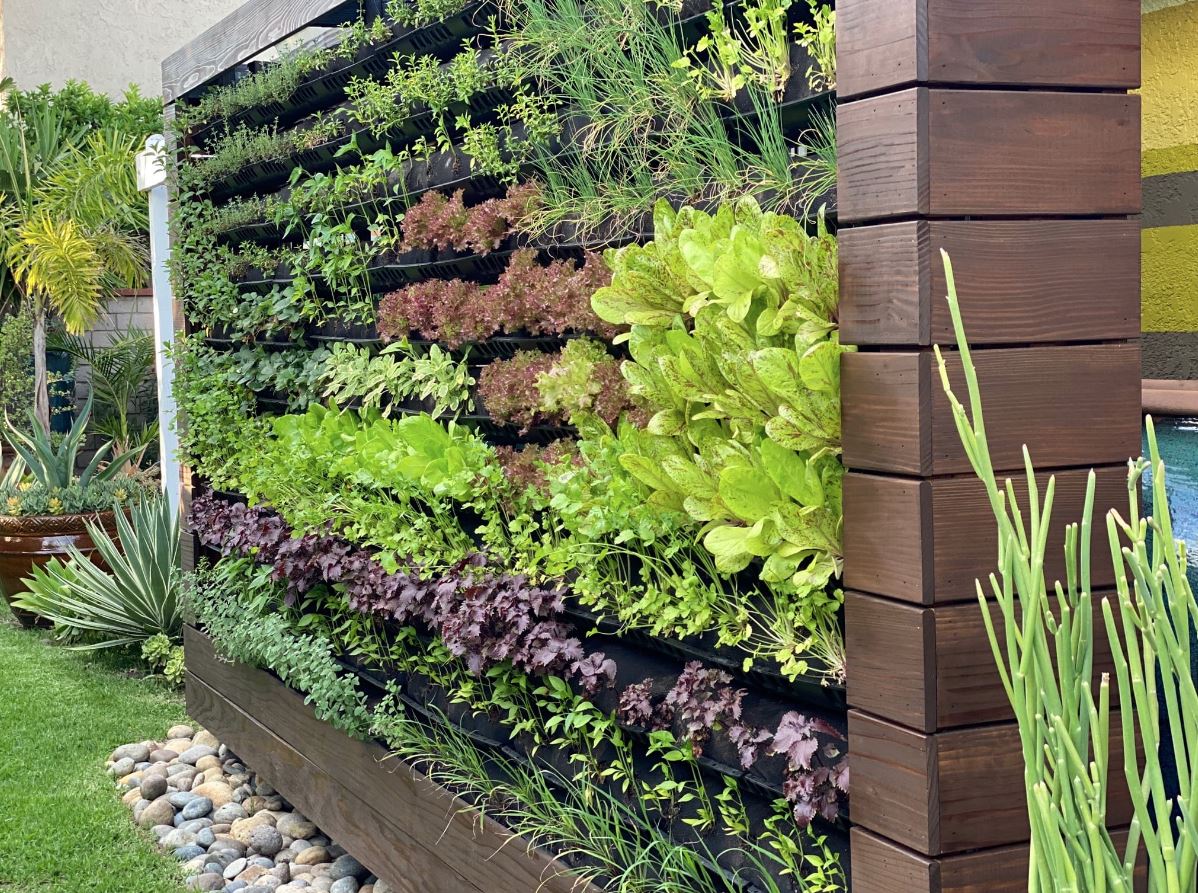
The Walls That Redefine Space, Growth, and Imagination
The Origins of Growth Beyond the Ground
The idea of vertical gardens began long before modern cities sought to reclaim greenery from concrete. Ancient civilizations experimented with height, crafting terraced landscapes that climbed mountainsides and palace walls. The Hanging Gardens of Babylon, though now legend, embodied humanity’s first fascination with defying gravity in the pursuit of beauty. In more recent history, botanists and architects revived this ambition, developing systems that allow plants to grow vertically without compromising health or vitality. What was once myth became science, and what was once ornamental became essential. Today, vertical gardens represent both innovation and restoration, merging design and ecology in a shared act of renewal. They thrive in courtyards, balconies, offices, and city squares, transforming walls into living art. Each vertical garden becomes a conversation between structure and soil, a reminder that life adapts endlessly to its surroundings.
These gardens are not simply aesthetic marvels. They embody sustainability and purpose. By using limited ground area efficiently, vertical gardens allow urban spaces to breathe again. They provide shade, filter air, and create habitats where none existed before. The concept of growing upward reflects a shift in how humans view nature, not as something to be contained, but as something to be integrated. This evolution marks a turning point in both design philosophy and environmental stewardship. The vertical garden is not a luxury of modern architecture; it is a testament to human creativity in harmony with natural resilience.
The Architecture of Living Walls
Every vertical garden begins with structure. Behind the cascade of leaves and flowers lies a careful system that supports both life and gravity. The foundation can vary, some gardens rely on modular panels, others on hydroponic grids or soil-filled pockets, but each shares the same principle: to provide roots with security, moisture, and nourishment while ensuring proper drainage. The architecture must hold not only the plants but also the living ecosystem they create. Water lines thread through the design, delivering hydration evenly, while lightweight materials balance durability and flexibility. The system must breathe, adapting to temperature, humidity, and weight changes over time.
Designing such systems requires more than technical skill; it demands understanding the nature of growth itself. A successful living wall functions as both infrastructure and organism. It must be strong enough to endure the elements yet delicate enough to support living textures. Each layer, frame, irrigation, medium, and vegetation, plays its role in maintaining balance. The gardener becomes an architect, sculpting with roots and leaves instead of stone and steel. The result is a structure that evolves, reshaping itself with every season, proving that architecture can indeed be alive.
The Palette of Vertical Planting
Choosing the right plants for vertical gardens is an art that merges practicality with aesthetics. Not all species adapt to vertical conditions; those that do possess unique qualities of resilience and adaptability. Ferns, ivy, philodendrons, succulents, and certain herbs flourish when their roots find support within limited space. Climbers weave naturally along structures, while cascading varieties add movement and depth. Together, they form a living mosaic where textures, shades, and patterns merge. The gardener’s vision becomes a painter’s palette, blending greens, silvers, purples, and blossoms into a unified tapestry. Unlike traditional gardens, where each plant stands individually, vertical gardens rely on collective harmony. The plants must coexist closely, their roots sharing resources and space in delicate balance.
Microclimates play a crucial role in determining plant placement. Some sections receive more light, others retain moisture longer. Observant gardeners tailor each area to its microenvironment, ensuring that every plant thrives in its chosen niche. Over time, the wall becomes a living reflection of natural succession, where some species flourish while others give way, creating continuous transformation. The beauty of a vertical garden lies in its imperfection, its organic flow of adaptation. The palette shifts with the seasons, reminding the gardener that control in nature is always partial and that collaboration yields the richest results.
The Dance of Light and Water
Light and water form the heartbeat of any vertical garden. Without soil depth, every droplet and ray of sun carries amplified importance. Irrigation systems must distribute water evenly, ensuring hydration without saturation. Many modern installations rely on recirculating systems that recycle water, minimizing waste while maximizing efficiency. Such precision nurtures both sustainability and beauty. As for light, its direction and duration dictate the rhythm of growth. Some plants crave direct exposure, their leaves expanding toward brightness, while others prefer the soft balance of filtered rays. The gardener must choreograph this dance with sensitivity, placing species according to their relationship with light and shadow.
Watering a vertical garden is not just a task; it is a ritual of understanding. Too much moisture breeds decay, too little invites drought. The goal is constancy, not excess. Watching droplets trickle through layers of foliage evokes the sound of rain captured in miniature. The gardener learns that water, when given thoughtfully, carries emotion as much as function. It cools, cleanses, and connects each layer of life to the next. When combined with sunlight, it creates balance, the essential harmony that allows vertical gardens to flourish year after year.
The Integration of Nature and Design
Vertical gardens blur the boundaries between built environments and natural ones. They soften the edges of architecture, turning walls into living organisms. In cities, they transform gray facades into green lungs, absorbing carbon dioxide and releasing oxygen. Beyond their ecological benefits, they change how spaces feel. Offices become calmer, homes feel more alive, and public spaces invite reflection. The texture of leaves absorbs sound, creating quiet where there was once noise. This sensory transformation illustrates how design can serve both aesthetic and emotional well-being. A wall covered in life speaks of renewal in ways that glass and concrete never could.
The integration of nature into human spaces also challenges conventional design principles. Architects and gardeners collaborate, each bringing their own perspective, one of structure, the other of life. Together they create forms that evolve rather than remain static. The success of this integration lies in humility, in recognizing that nature will always be a co-designer. Plants do not obey blueprints; they adapt, climb, and wander. Embracing this unpredictability turns design into dialogue. A vertical garden, then, becomes less a project and more a partnership between human intent and natural expression.
The Sustainability Within the Structure
Vertical gardens embody sustainability not as a concept but as a living practice. They regulate temperature, reducing the urban heat that radiates from concrete surfaces. By insulating buildings, they decrease energy consumption, keeping interiors cooler in summer and warmer in winter. They capture rainwater, filtering it naturally through root systems, and provide sanctuaries for insects and birds in environments often devoid of life. Their contribution to biodiversity transforms even small walls into ecosystems. In this way, sustainability moves from abstraction to action. The vertical garden becomes an example of ecological reciprocity, where design not only beautifies but heals.
Materials play a crucial role in sustaining this balance. Recycled plastics, biodegradable fibers, and reclaimed wood minimize environmental footprint. Automated irrigation systems reduce waste, while renewable energy sources power water circulation in large installations. The gardener’s maintenance becomes stewardship rather than mere upkeep. Each trimmed vine, each replenished nutrient, sustains an ongoing promise between human and environment. Sustainability, in the context of vertical gardening, is not an endpoint but a rhythm, a continual act of renewal guided by awareness and respect for interconnection.
The Emotional Dimension of Growing Upward
There is something deeply symbolic about watching plants ascend a wall. Vertical gardens awaken emotions beyond aesthetic pleasure; they embody aspiration. In confined urban spaces, they remind us that life can expand upward when outward movement is impossible. Each tendril climbing higher mirrors persistence, each flower opening against concrete echoes resilience. For those who tend these gardens, the act becomes meditative. The process of nurturing life on a vertical plane reflects a journey toward balance, patience, and optimism. Every moment of care feels amplified, for growth here is both fragile and extraordinary.
Visitors to spaces adorned with vertical gardens often describe a sense of calm and renewal. The vertical orientation draws the gaze upward, encouraging reflection and hope. The play of texture and depth invites touch and closeness, dissolving the divide between viewer and living art. These gardens teach a quiet lesson: that beauty need not conquer space, only inhabit it meaningfully. Their presence restores more than air quality; it restores the human spirit, proving that even in the most structured environments, nature can still find a way to rise.
The Future of Growing Vertically
The future of vertical gardens extends far beyond ornamentation. As cities expand and open land diminishes, vertical cultivation offers new answers to old challenges. Innovations in hydroponics and aeroponics have already made it possible to grow edible crops on walls, feeding communities in limited spaces. Designers envision entire buildings functioning as self-sustaining ecosystems, where walls clean air, grow food, and support wildlife. These ideas transform gardening into an urban necessity, blending sustainability with self-sufficiency. The garden of the future will not merely decorate our cities but sustain them, turning concrete jungles into genuine living habitats.
Technology continues to evolve in service of this vision. Smart irrigation systems monitor humidity and temperature in real time, while modular green walls can be installed in homes, offices, and schools with ease. Even art installations now merge with vertical planting, using patterns of growth as living expression. The shift toward vertical gardening signals not just innovation in design but an awakening in consciousness. It invites humanity to reconsider its relationship with nature, to integrate green life into every facet of daily living. The dream of a greener future no longer lies in the distant horizon; it grows quietly upward, one wall at a time.
The Endless Climb of Life
Vertical gardens represent more than technique or trend, they capture the essence of persistence. Every leaf that stretches toward light defies limitation. Every root that finds its way through thin layers of soil reaffirms nature’s adaptability. These gardens remind us that growth is not bound by direction. It moves where it can, reclaiming forgotten spaces and transforming them into sanctuaries of life. For gardeners, architects, and dreamers alike, the act of cultivating upward is both literal and symbolic. It shows that in every confined space, in every overlooked wall, there remains potential waiting to unfold. The garden that climbs toward the sky carries with it the eternal message of renewal: that life, when nurtured, will always find a way to rise.