

Stones That Remember the Shape of Wind
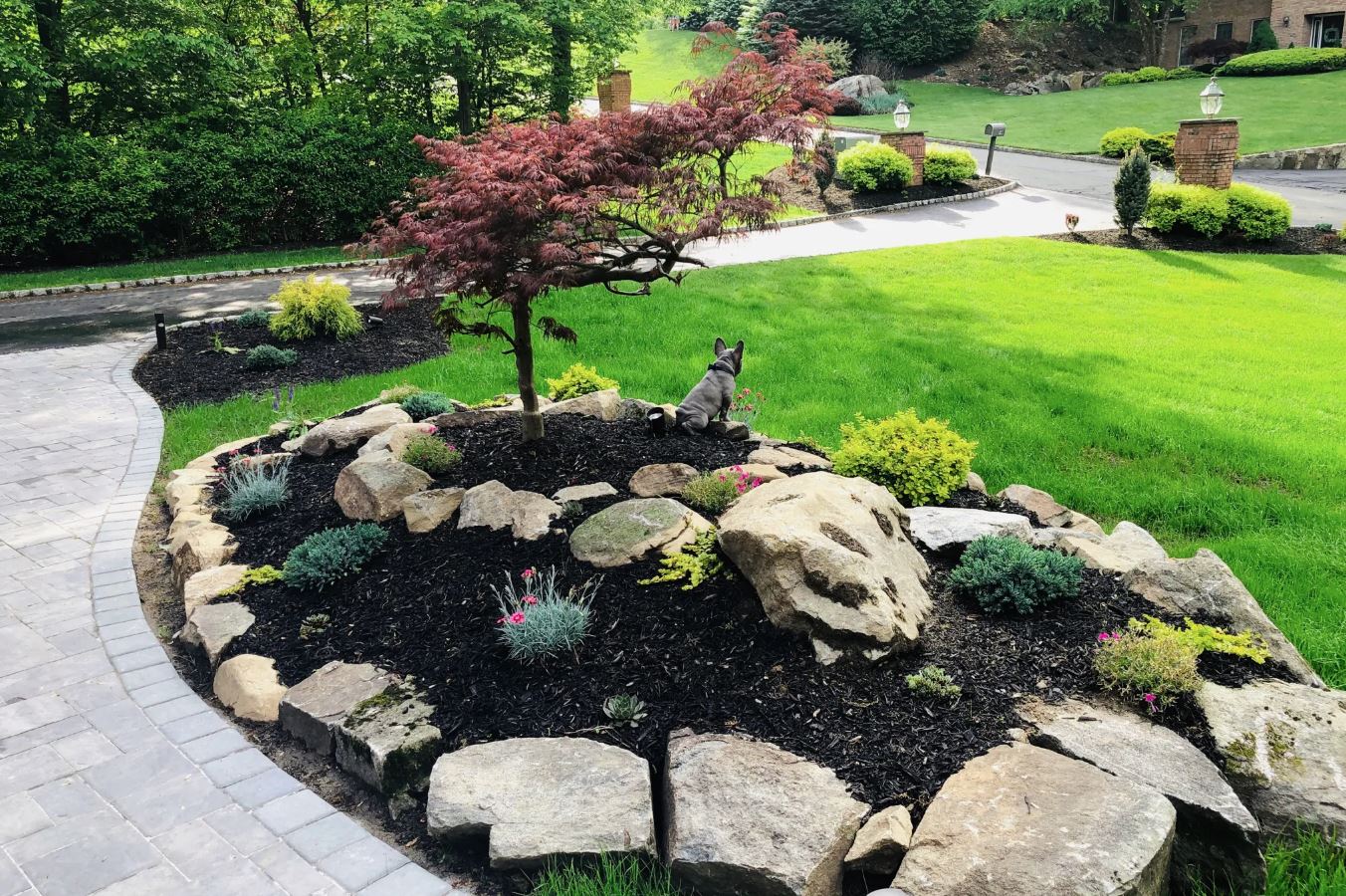
Turning Space Into Feeling
When Land Begins to Breathe
Every landscape begins as silence. The ground waits, patient and unformed, until imagination gives it rhythm. Landscaping is not simply the placement of plants and stones but the awakening of harmony between human intention and natural flow. Before the first shovel touches the earth, the mind must wander across the terrain, listening to what it already wants to become. Slopes whisper of water, shadows mark the language of time, and the scent of soil reveals its readiness for transformation. A good landscape designer becomes a translator, turning these murmurs into structure and form. The process is part intuition, part craftsmanship, and entirely dependent on respect for what already exists. To make land breathe, one must first learn to listen. Only then can patterns of pathways, layers of texture, and the soft edges of greenery unfold with purpose.
In every project, there lies a moment where the lifeless begins to pulse. It happens when the first plant roots into its place, or when the sound of trickling water fills a hollow corner. The boundary between art and ecology blurs, creating an atmosphere rather than an arrangement. Landscapes that breathe are not static compositions; they move through seasons and light, reflecting the moods of weather and the habits of those who walk through them. When design serves as invitation rather than instruction, even the smallest courtyard can feel infinite.
The Soul Beneath Structure
Designing outdoor spaces often begins with geometry, but what sustains them is emotion. A pathway curved slightly away from the viewer invites exploration, while a line of trees can frame not just distance but memory. The soul of structure lies in its restraint, in knowing where to stop shaping so nature can begin to answer. Too much order suffocates; too much freedom loses clarity. The art rests in tension between those forces. Garden walls, terraces, and retaining stones define edges, but within them, the pulse of wildness must still be felt. Each decision carries the weight of permanence, for stone remembers every intention placed within it.
The foundation of a well-composed landscape reflects a dialogue between stability and surrender. Designers must think in layers, combining textures that shift subtly with age. A newly built garden can appear almost too perfect, its lines sharp, its color vivid. Only time softens its confidence. Moss begins to climb, leaves stain the paths, and weather fades the materials into something truthful. A landscape achieves its soul not on the day of completion but in the years that follow, when human effort gives way to the natural handwriting of wind and rain.
Water as a Mirror of Imagination
Among all elements, water possesses the most elusive character. It reflects without judgment, yet alters everything it touches. In landscaping, water serves both as sculptor and poet. Ponds invite contemplation, streams lend movement, and fountains weave sound into stillness. The presence of water transforms the mood of a place, creating spaces that calm or awaken depending on flow and placement. Designers use its reflective surface to double the sky, extending the illusion of depth. A pond bordered by stone and reed captures the horizon, turning it inward. Even a small basin or birdbath adds dimension, reminding visitors that stillness is also part of life’s motion.
Balancing water requires sensitivity. Overdesign leads to artificiality; underdesign leaves it without voice. When integrated naturally, water becomes the emotional heart of the landscape. It draws life, dragonflies, frogs, and birds, each contributing movement and texture. The trickling sound of a hidden spring transforms a space from ordinary to sacred. At night, when light plays across the surface, the garden becomes reflective in more ways than one. Water teaches humility to its maker because no form can fully contain its spirit. The best approach is to guide it gently, allowing it to speak in its own rhythm.
The Language of Texture and Color
Texture builds personality within a landscape. A rough boulder beside a glossy fern tells a story of contrast, while soft groundcovers meeting rigid pavement describe balance. Texture is how the eye feels before the hand touches. Every surface carries tone, coarse gravel murmurs differently beneath footsteps than compacted earth. Designers use this sensory vocabulary to lead emotion. A narrow path lined with rough stone slows the walker, while a smooth lawn invites freedom. Color, too, serves as emotional language. The cool greens of shade relieve tension, while bursts of crimson and gold awaken joy. The challenge is not to overwhelm but to compose harmony that breathes.
Seasonal transitions enhance this palette naturally. Spring brings transparency, leaves are young and tender. Summer fills space with saturation, while autumn translates warmth into nostalgia. Winter, though spare, introduces geometry and texture as the dominant design tools. In cold months, the absence of color reveals structure, forcing attention toward shadow, bark, and contour. A skillful landscape does not hide in any season but adjusts its voice to each. The dialogue between texture and color gives longevity, ensuring that the garden remains expressive year-round. Every detail, from gravel hue to canopy shade, participates in this quiet conversation.
Bridging the Human and the Natural
Landscaping, at its most profound, serves as a bridge between human purpose and ecological integrity. It connects habitation to habitat. The materials chosen, stone, wood, soil, carry stories from their origins. A bench carved from reclaimed timber honors both memory and sustainability. Pathways built from local rock reduce environmental impact and blend effortlessly with surroundings. The concept of blending does not mean erasure; it means coexistence. When architecture meets landscape with humility, a sense of belonging emerges. The garden ceases to be an addition and becomes an extension of life itself.
In modern practice, sustainable landscaping emphasizes native plants, efficient irrigation, and biodiversity. Yet these principles also hold aesthetic power. Native species thrive naturally, requiring less maintenance, and their growth patterns lend authenticity. They attract local wildlife, restoring natural balance even within urban limits. Rain gardens and permeable paving guide water back into the earth, creating systems that sustain rather than consume. Through mindful design, human presence becomes a partnership with the land, not a conquest. Visitors may never see the infrastructure beneath the surface, but they will feel the harmony above it.
The Sculpting of Light and Shadow
Light turns every garden into theater. It shifts mood, reveals texture, and directs attention more than any physical structure can. Morning light is gentle, brushing over leaves like breath. Midday brightness demands restraint, flattening detail but intensifying color. Evening light glows with sentiment, painting foliage with amber tones that seem to hold memory. Understanding how light moves across space allows designers to create compositions that evolve hourly. A single tree can cast drama across stone walls, while low shrubs catch glints of gold. Even artificial light, when used wisely, can echo moonlight’s tenderness rather than its glare.
Shadow is equally powerful. It defines the unseen and invites imagination. Too often treated as absence, shadow in landscaping acts as punctuation, giving rhythm to visual language. Pergolas, trellises, and screens cast shifting patterns that change with time. In the right composition, shadow holds intimacy, creating places for pause. The interplay between illumination and obscurity makes a landscape breathe. By sculpting both, a designer can shape not only what is seen but how it feels to be there. Light and shadow together remind us that beauty lies not just in exposure but in mystery.
The Memory of Movement
A landscape without motion is a painting without wind. Movement animates space, turning stillness into story. Grass sways, petals tremble, and water ripples even when no one watches. Designing for movement means anticipating interaction, not only of people but of nature itself. The way a path curves, how branches nod in the breeze, or how light dances across leaves all become gestures of choreography. Even the sound of wind through reeds contributes to this silent composition. Movement gives the garden its living breath, preventing it from becoming static display. Every visitor adds their own tempo, their footsteps writing rhythm into the soil.
Wind is an invisible sculptor. It shapes trees, erodes rock, and carries scent. The designer who acknowledges it works with flow rather than against it. Pathways can guide breezes toward rest areas, while screens and hedges can redirect or soften harsh gusts. Movement also lives within the creatures inhabiting the space. Butterflies, birds, and small mammals add continuity that transcends design intent. A successful landscape accommodates all forms of motion, gentle, sudden, and cyclical, turning the site into an orchestra of natural choreography. Over time, the memory of movement becomes embedded within the place, felt even in moments of complete stillness.
The Craft of Time and Care
Unlike architecture, which begins and ends with construction, landscaping evolves perpetually. Time is its collaborator, not its enemy. The gardener or caretaker becomes part of the artwork, maintaining balance between growth and order. Every pruning, every seasonal cleanup, adds another layer to the composition. Neglect does not destroy immediately; it erases slowly. Patience defines success because no design reveals its full potential within a single season. The first year establishes roots, the second builds form, and the third whispers maturity. To landscape well is to trust in delayed beauty. Quick gratification never equals lasting grace.
Care extends beyond maintenance. It is observation, adjustment, and understanding. Some plants thrive while others falter, and replacement becomes evolution rather than failure. Materials age, acquiring patina that enriches the visual narrative. Stone darkens, wood silvers, and metal rusts into texture. These transformations are not blemishes but signatures of time. The landscape grows older with dignity, mirroring the passage of its caretakers. To walk through such a place is to sense history forming quietly underfoot. The craft of time binds people to their environment through continuity and affection. Landscapes designed with this awareness do not fade; they mature into memory.
Landscapes That Dream After Dusk
When daylight fades, the garden reveals another identity. Under starlight or soft illumination, textures dissolve into whispers and outlines. The day’s details give way to atmosphere. Paths glow faintly, water reflects constellations, and silhouettes of trees stand like quiet guardians. Night landscaping requires sensitivity to subtlety. Too much light erases the mystery; too little hides the heart. The ideal night garden guides through suggestion, allowing imagination to complete what vision cannot. Fragrant plants release their perfume stronger at night, deepening the sensory experience. Crickets replace bees as musicians, and wind carries cooler tones. To sit in such a garden is to understand serenity as participation, not escape.
Landscapes that hold their presence after sunset embody completeness. They honor both day and night as equal artists in the same canvas. The stones remember the warmth they held, the ponds echo the stars, and the plants rest in quiet rhythm with the earth. The designer’s task ends, but the landscape continues to live, dream, and evolve. Every space that embraces this duality teaches its visitors one truth: beauty is not an instant, but an unfolding. Long after footsteps fade, the land remembers every intention, every placement, every breath of wind that once shaped its form. In this memory, the landscape remains alive forever.