

Pest Control That Lets the Garden Breathe Again
Balance Between Life, Damage, and Renewal
The First Signs of Disturbance
Every gardener eventually learns that beauty attracts attention, not only from those who admire it but also from those who consume it. The first signs of disturbance are often subtle. A curled leaf, a missing petal, or a faint trail across damp soil. These small clues speak a language of intrusion. The garden, once serene, begins to whisper of imbalance. Yet even in these early warnings lies a reminder that no ecosystem exists without tension. Insects, larvae, and fungi do not act from malice but from instinct. They seek survival in the same space that nurtures our harvests and flowers. The gardener’s role, therefore, is not to wage war but to restore harmony.
Observation becomes the first act of protection. Before reaching for solutions, one must learn to see. Each pest leaves its signature. Aphids gather in clusters along new growth, drawing sap from tender stems. Slugs move under moonlight, their silver trails catching the dawn. Beetles, caterpillars, and mites each reveal themselves in patterns of damage unique to their appetite. To study these marks is to understand behavior, and to understand behavior is to approach the problem with intelligence rather than fear. A garden cannot remain untouched, but it can remain resilient if the gardener listens before reacting.
The Balance of Predators and Prey
Nature contains its own systems of correction. Long before humans intervened, balance was maintained by relationships between predator and prey. In the garden, this equilibrium still holds truth. Ladybugs, lacewings, and hoverflies keep aphid populations in check. Spiders weave invisible traps that control flying insects. Birds search the soil for grubs and beetles, offering songs in exchange for their service. To invite these allies is to strengthen the garden’s defenses without resorting to harm. Each predator plays a role in a web that sustains not only the plants but the soil and air around them.
Encouraging these natural protectors requires intention. Diversity of planting creates shelter and food for beneficial species. A garden of single purpose, filled with only one crop, invites imbalance. Flowers like yarrow, dill, and alyssum provide nectar that sustains helpful insects through their life cycles. A shallow dish of water or a small pile of stones may become a refuge for pollinators and hunters alike. The gardener who understands this network no longer fights pests but cultivates equilibrium. The goal shifts from elimination to cooperation, a partnership where the boundaries between wild and tended space begin to blur beautifully.
The Role of Soil in Defense
Few realize that the foundation of pest control lies beneath their feet. Healthy soil is the unseen armor of the garden. It nurtures plants strong enough to resist attack and supports organisms that regulate unwanted populations. Worms, fungi, and bacteria form a living web that keeps balance at the root level. When soil becomes depleted or compacted, plants weaken, making them easy prey. Leaves lose vitality, stems soften, and pests arrive to exploit vulnerability. Restoring strength begins with feeding the soil, not the plant. Compost, mulch, and organic matter enrich texture and moisture retention, fostering conditions that encourage natural resistance.
Over time, soil becomes self-sustaining when treated with respect. Chemical treatments may offer temporary relief, but they strip life from the ecosystem, leaving sterility in their wake. The gardener who learns to build soil health instead of relying on external control discovers that most pest problems fade as strength returns. Deep roots draw nutrients from lower layers, while diverse microorganisms break down organic debris into sustenance. The result is resilience, not immunity. The difference matters, for resilience allows adaptation, while immunity invites complacency. In the long conversation between pest and plant, the soil is the voice of endurance.
The Art of Organic Intervention
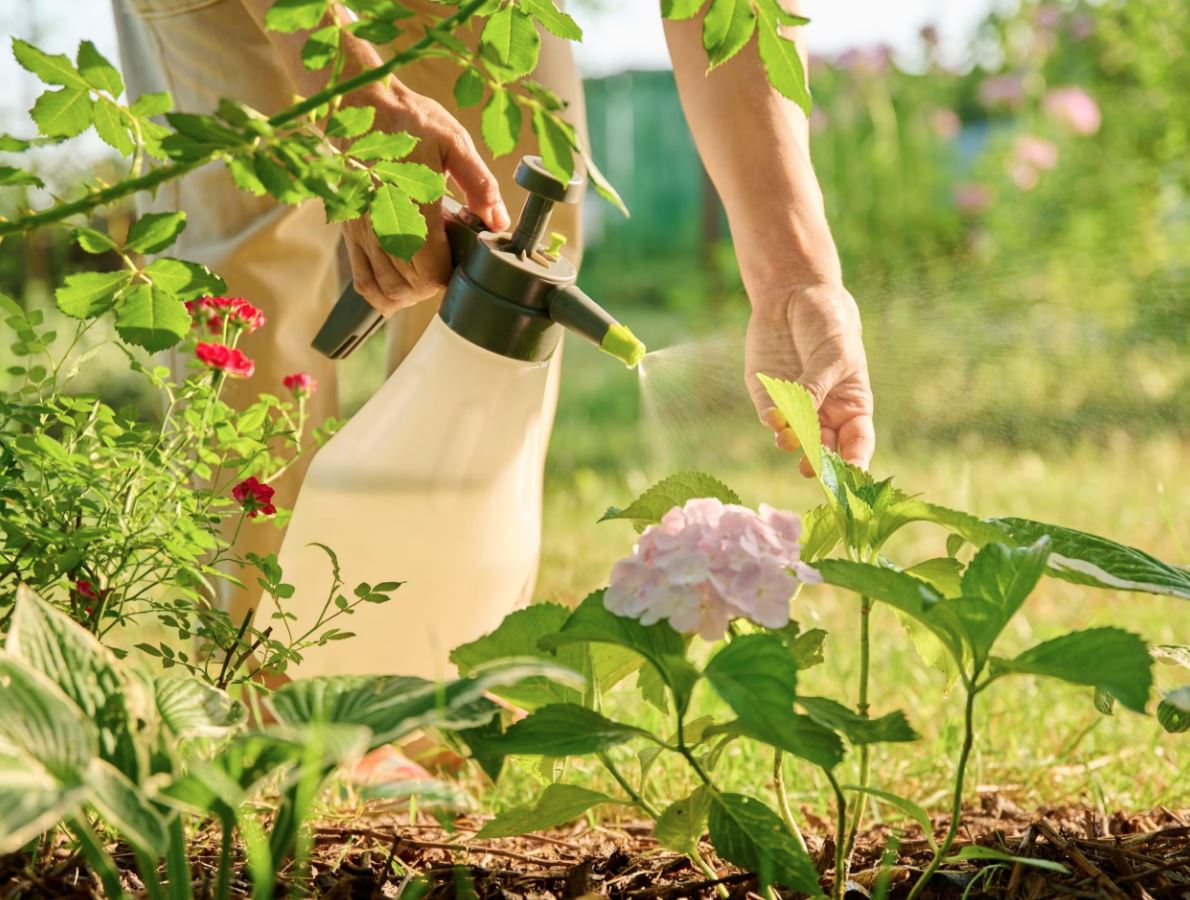
When natural balance wavers, intervention may still be necessary. The art of organic pest control lies in subtlety rather than force. The goal is correction without harm to the greater system. Methods like neem oil, insecticidal soap, and diatomaceous earth act as mediators rather than destroyers. Each tool serves a purpose, addressing specific imbalances without silencing the song of the garden entirely. For instance, a mild solution of soap and water removes soft-bodied pests such as aphids while leaving beneficial insects unharmed. Neem oil interrupts the life cycle of harmful larvae but spares pollinators once dry. Precision replaces aggression.
Homemade remedies carry both tradition and mindfulness. A spray of garlic and chili deters chewing insects through scent, not poison. Companion herbs like mint, lavender, and basil repel pests while enriching the air with fragrance. These choices reconnect the gardener with older wisdom, where observation and experimentation shaped methods long before industrial solutions existed. Patience becomes part of the process. Organic approaches rarely deliver instant results, but they restore balance through gradual recovery. The gardener who waits learns that healing the garden is much like healing oneself, slow, attentive, and deeply rewarding.
The Shadows of Overprotection
In the pursuit of perfection, many gardeners unknowingly harm what they wish to protect. Overuse of sprays, even natural ones, disrupts the fine balance of life. Bees vanish, soil organisms suffer, and the air loses its quiet vitality. A garden stripped of its microcosm becomes sterile, dependent on intervention for survival. True stewardship requires restraint. The presence of a few pests does not signify failure but vitality. Their existence proves that the ecosystem remains functional, feeding and supporting diversity. A spotless leaf may please the eye, but it tells a story of imbalance just as surely as a damaged one.
Perfection, when pursued without reflection, becomes a trap. The gardener’s task is not to control but to guide. Allowing natural cycles of growth and decay builds long-term stability. The occasional nibble on a leaf reminds us that life feeds upon life, and our role is to ensure the chain remains unbroken. When we allow this understanding to take root, we no longer see pests as enemies but as participants in the grand choreography of the garden. Balance, not dominance, becomes the gardener’s true achievement.
The Power of Diversity and Rotation
Monotony breeds vulnerability. In gardens where the same crops grow season after season, pests find consistency and comfort. They adapt, multiply, and conquer with ease. The antidote to this stagnation is diversity. Rotating crops disrupts pest life cycles, preventing the buildup of species that depend on particular plants. Legumes enrich nitrogen for the next season’s greens, while alliums discourage harmful soil organisms that afflict root vegetables. This rhythm of change mirrors the earth’s own cycles of renewal. Each season invites transformation, ensuring that no single pest dominates the landscape for long.
Diversity also extends above ground. Mixing flowers with vegetables attracts pollinators and predators, confusing pests that rely on uniform scent cues. Intercropping lettuce with marigolds, for instance, deters nematodes while adding vibrancy to the bed. The result is both aesthetic and functional. A diverse garden becomes unpredictable to invaders and hospitable to allies. Over time, this variety fosters self-regulation. Where once there was repetition and weakness, there now exists a dynamic, living pattern of protection woven through every layer of growth.
The Wisdom of Observation and Timing
Pest control, when guided by wisdom, depends more on timing than on tools. Acting too early or too late shifts outcomes dramatically. The gardener learns to observe signs that predict rather than confirm invasion. Weather patterns, humidity, and moon cycles all influence pest activity. Warm, still nights bring slugs from hiding, while dry winds favor the spread of mites. Understanding these rhythms turns reaction into prevention. Gardeners who walk their plots daily notice subtle shifts long before damage becomes visible. A few minutes of observation each morning save weeks of repair later on.
Timing also governs intervention. Sprays and treatments, even natural ones, must align with the life stages of pests. Targeting larvae before maturity minimizes harm to other species. Harvesting herbs or vegetables before applying deterrents ensures purity and safety. This attentiveness deepens connection between the gardener and the land. No longer separate from the processes of nature, the gardener becomes part of them, adjusting pace and habit according to the living pulse of the garden. In such moments, pest control ceases to be an act of defense and becomes one of understanding.
The Return of the Wild Allies
Modern gardens often exist in separation from the wild, yet it is the wild that holds the key to endurance. Frogs, lizards, birds, and even small mammals contribute to natural pest regulation. A small pond invites amphibians that consume mosquitoes and beetles. Native shrubs provide shelter for wrens that scour leaves for insects. Hedgehogs and toads, once frequent visitors, can be coaxed back through safe pathways and gentle landscaping. The gardener who reintroduces wild allies participates in restoration far greater than personal success. Each habitat reclaimed strengthens the bond between cultivated space and natural order.
These relationships also remind the gardener of humility. The earth sustains itself through balance, not control. When wild creatures return, they bring unpredictability, but they also bring health. The garden hums with life at every level, from the hum of wings to the rustle of leaves. This vibrancy is the surest sign that pest problems no longer dominate, for the system has remembered how to protect itself. Through coexistence, not eradication, the garden finds peace again. What was once struggle becomes conversation, and what was once intrusion becomes harmony reborn.
The Garden That Learns Through Imperfection
In the end, every pest, every blemish, every lost leaf holds a lesson. A perfect garden, untouched and pristine, teaches nothing. But a garden that endures trials, recovers from invasion, and thrives again carries wisdom worth more than flawlessness. Pest control, when understood deeply, is not about exclusion but inclusion, the recognition that every form of life contributes to the whole. Through patience and observation, the gardener learns that resilience is born from diversity and care. The presence of pests does not mark defeat; it signals participation in a larger story. When harmony returns, it is not because danger vanished but because balance was restored. And in that balance, the garden reveals its truest beauty, one shaped not by control but by coexistence.