

The Earth That Feeds Itself
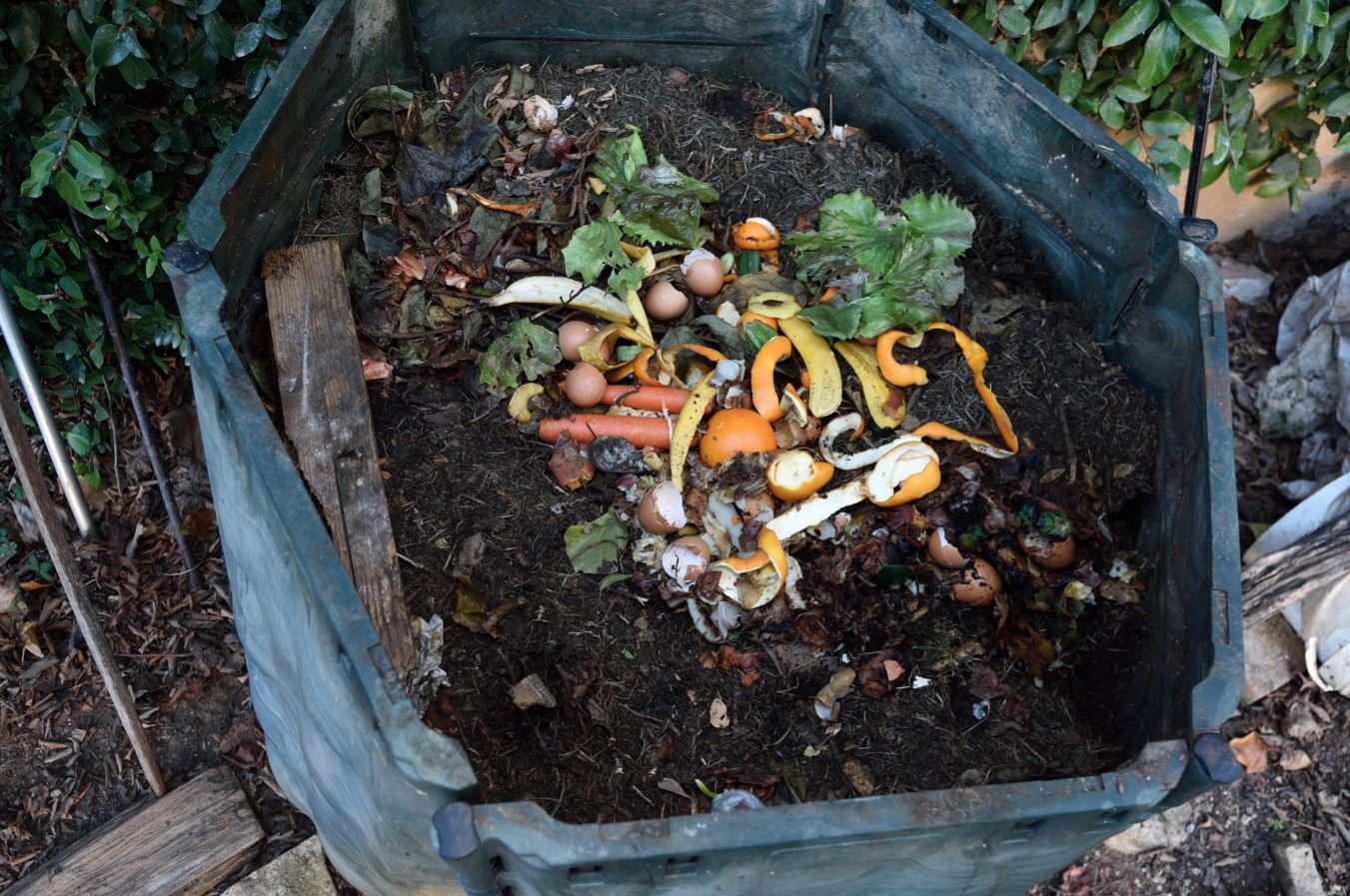
Learning the Art of Renewal Through Nature’s Quiet Alchemy
The Circle That Never Ends
Every fallen leaf, every wilted petal, and every forgotten vegetable peel carries a secret within it. In time, what decays will live again, transformed by unseen hands that work tirelessly beneath the surface. Composting is this miracle of return, the ancient cycle of life converting death into sustenance. What we discard becomes the beginning of something new. Within every pile of organic matter, microorganisms, fungi, and insects collaborate in a silent symphony of transformation. They dismantle what once was and reassemble it into the foundation of fertility. To understand composting is to witness nature’s perfect economy, one where nothing is wasted, and everything contributes to the continuum of life.
In this cycle, human participation is both humble and vital. We do not control decomposition; we simply create the conditions that allow it to flourish. A good compost pile hums with energy. Steam rises from its center, and the faint scent of earth replaces the odor of decay. What begins as refuse becomes rebirth. The process is not instant, but patience yields the richest reward. Through composting, gardeners learn that every ending contains the seed of renewal and that caring for the soil begins by returning to it what it once gave.
The Science of Decomposition
Composting thrives on balance. Every pile is a living laboratory where biology, chemistry, and time weave together. The process unfolds in stages, each with its own cast of microscopic performers. Bacteria are the first to arrive, breaking down sugars and proteins into simpler compounds. As they work, the temperature within the pile begins to rise, often exceeding 140 degrees Fahrenheit. This heat signals activity, evidence that the pile is alive with transformation. Fungi follow, extending threadlike mycelia through tougher materials such as wood chips and stems. Actinomycetes, a unique type of bacteria, give compost its familiar earthy aroma, a scent that speaks of fertility and renewal.
Heat-loving microbes dominate during the most active phase, consuming oxygen and releasing energy in waves of steam. When their work subsides, cooler organisms move in, finishing the task. Earthworms and beetles complete the cycle, fragmenting what remains until the material darkens into humus. Moisture, air, and the right mix of carbon and nitrogen determine success. Carbon-rich materials, often called browns, provide energy and structure. Nitrogen-rich greens supply protein for microbial growth. Too much of one slows the process; too little of the other halts it. The harmony of these elements mirrors the precision of nature itself. When balance is achieved, compost becomes more than the sum of its parts, it becomes the breath of living soil.
Finding the Perfect Balance
Creating compost is as much an art as it is a science. The key lies in the interplay between carbon and nitrogen, often referred to as the brown-to-green ratio. Browns include dried leaves, straw, sawdust, cardboard, and twigs. They are dry, brittle, and full of stored carbon. Greens, on the other hand, are fresh and moist, kitchen scraps, grass clippings, coffee grounds, and vegetable waste. A perfect compost pile mimics the forest floor, where dry litter meets fallen fruit and decomposing plants. Ideally, the ratio leans about three parts brown to one part green, though nature is forgiving when we learn to observe rather than dictate. If a pile smells sour, it is too wet and nitrogen-heavy. If it lies dormant and dry, it lacks the energy provided by greens. With small adjustments, turning, adding water, or introducing more material, the rhythm restores itself.
Air is the unseen element that sustains decomposition. Oxygen fuels the microbes that feed on organic matter. Turning the pile once every week or two reintroduces air and redistributes heat, keeping activity steady. Moisture acts as the connective tissue between particles, allowing nutrients to flow. When squeezed, compost should feel like a wrung-out sponge, damp but not dripping. With these principles, any patch of ground, bin, or corner can become a thriving compost system. The gardener’s task is not control but collaboration, ensuring that every part of the process remains in harmony with the rest.
The Many Faces of Composting
Composting takes many forms, each suited to the gardener’s environment and intention. Traditional hot composting creates rapid decomposition through the management of heat and moisture. It is ideal for large gardens where organic waste is abundant. Cold composting, by contrast, is the slow rhythm of time itself, requiring minimal intervention. Kitchen scraps and leaves quietly transform over months or even a year, producing a gentle, nutrient-rich humus without effort. Worm composting, or vermiculture, introduces red wigglers to the mix. These industrious creatures devour organic matter and excrete castings that enrich soil more effectively than any fertilizer. Their work transforms kitchen waste into black gold for potted plants and garden beds.
Other methods adapt to space and climate. Bokashi, a Japanese fermentation process, pre-treats food waste using beneficial microbes in airtight containers. This anaerobic method eliminates odor and allows even meat and dairy to decompose safely when buried later in soil. Trench composting integrates organic matter directly into the ground, bypassing bins entirely. The soil absorbs nutrients as the buried material breaks down, enriching the area for future planting. Each method speaks to the same truth: there is no waste in nature, only potential waiting to be realized. The diversity of approaches mirrors the diversity of ecosystems, reminding us that composting, at its heart, is an expression of adaptation.
The Role of Time and Temperature
Time is the unseen architect of every compost pile. No two batches follow the same schedule because decomposition responds to weather, materials, and attention. In summer, microbial activity quickens as warmth encourages chemical reactions. In winter, the process slows but never ceases; deep within the pile, heat persists where life continues its quiet work. The measure of progress lies in temperature, which mirrors microbial energy. When the pile warms, life thrives. When it cools, the first phase has ended, giving way to slower decomposers that refine the product into humus. A healthy compost pile cycles between these states several times before completion.
Thermometers can track this progression, but experience often tells more than numbers. The smell, feel, and sight of the compost reveal its stage. Early piles smell sharp and fresh; later ones mellow into the aroma of forest soil. Texture transforms from recognizable fragments to dark, uniform crumb. At maturity, compost feels cool and loose, ready to merge with earth. Rushing the process diminishes its richness, while patience allows nature to sculpt perfection. The gardener learns that time is not a barrier but an ingredient. Each moment of waiting adds depth, transforming waste into nourishment not only for soil but for understanding.
The Connection Between Compost and Soil
When compost meets soil, transformation deepens. The nutrients within it feed the microscopic communities that make soil alive. Humus binds with clay, sand, and silt, improving texture and water retention. It stores carbon, preventing erosion and filtering pollutants. Every handful of compost reawakens dormant life, inviting worms, fungi, and bacteria to rebuild the soil’s foundation. Plants grown in such enriched soil grow stronger, resist disease, and yield more abundantly. But compost gives more than nutrition; it restores structure. In compacted ground, it opens pathways for air and roots. In loose soil, it binds particles together, preventing runoff. This dual nature makes compost the great equalizer, harmonizing extremes and nurturing balance.
Adding compost is not an act of feeding plants directly but of creating the conditions for them to thrive. It is the difference between giving a meal and teaching how to grow food. Over time, regular additions of compost build a self-sustaining ecosystem that requires fewer interventions. The garden begins to care for itself, drawing strength from its renewed soil. This relationship between compost and earth reflects the same balance seen across all of nature, a rhythm of giving and receiving that sustains life without excess or exhaustion.
Composting as an Act of Healing
To compost is to participate in restoration, not only of soil but of awareness. In modern life, consumption often eclipses renewal, and waste becomes an afterthought. Composting reintroduces accountability. It turns what would be discarded into a tangible cycle of regeneration. Each act of collecting scraps, layering materials, and tending the pile becomes a meditation on responsibility. The transformation reminds us that decay is not destruction but reorganization. What rots also revives, and what ends also begins anew. Through this understanding, the gardener learns humility before nature’s intelligence. Composting reconnects human rhythm to the planet’s, where giving back becomes as natural as breathing.
Beyond the garden, composting carries ecological significance. It reduces landfill waste, curbs methane emissions, and restores carbon to the ground rather than the atmosphere. These small acts accumulate into meaningful impact, proving that environmental stewardship begins at home. The simplicity of composting hides its profound potential. In turning waste into life, we participate in healing the very cycles our habits once disrupted. The act becomes both ecological and spiritual, uniting the personal with the planetary through the quiet power of decay transformed into life.
The Language of Observation
Every successful composter learns to observe before acting. The pile speaks through temperature, texture, and scent. A sour odor calls for more browns; a dry silence asks for moisture. Steam on a cool morning reveals microbial vigor. The sound of rustling when turning the pile indicates air pockets alive with activity. Observation transforms composting from routine into relationship. Through watching, the gardener learns patience and rhythm, developing sensitivity to subtle shifts. No instruction manual can substitute for this intimacy. Composting becomes intuitive, guided not by rule but by understanding. The senses sharpen to the nuance of life unfolding invisibly beneath straw and leaf.
Observation also teaches acceptance of imperfection. Some piles heat unevenly; others take longer than expected. Each variation offers a lesson in flexibility. Nature does not demand uniformity, only attention. The gardener who observes learns to respond rather than react, adjusting to weather, materials, and time. This attentiveness extends beyond composting into the broader practice of care itself. To observe the process is to witness transformation as it happens, the slow turning of waste into wealth. In the stillness between turning and waiting, the compost pile becomes both teacher and reflection, a mirror of patience, balance, and continuity.
The Gift Returned to the Earth
When compost reaches completion, it represents more than material renewal. It carries the memory of everything that passed through it, meals shared, seasons changed, leaves fallen, and lessons learned. Spreading it across the garden feels like an offering, a return of energy borrowed from the soil. The plants that grow from this nourishment embody gratitude in green. Flowers bloom brighter, vegetables taste richer, and the scent of rain on earth feels fuller. Compost closes the loop, turning human wastefulness into nature’s wisdom. Every gardener who composts becomes a custodian of this quiet alchemy, preserving not just fertility but the philosophy of reciprocity. In the end, composting reminds us that nothing truly disappears; it simply changes form, waiting patiently to give life once more.