

Where Gardens Learn to Thrive Beneath Glass and Light
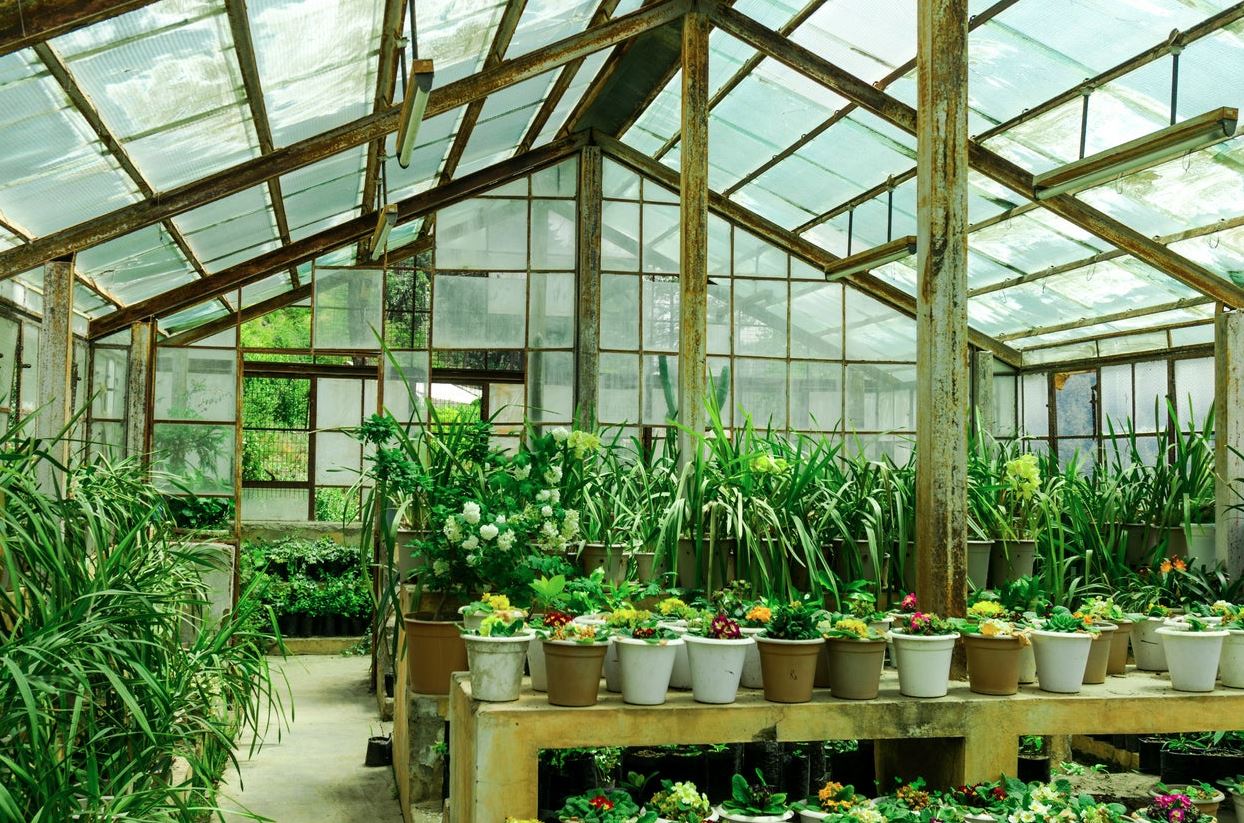
The Gentle Balance of Warmth, Growth, and Human Intention
The Birth of Gardens Under Glass
The story of greenhouse gardening begins with a simple desire, to extend the seasons and nurture life beyond the reach of weather. From ancient Rome’s transparent mica shelters to the grand conservatories of Victorian estates, the greenhouse has always symbolized humankind’s wish to harmonize with nature rather than dominate it. Within its translucent walls, sunlight is softened, rain is controlled, and warmth becomes a tangible presence. It allows life to continue when frost touches the world outside. This concept, both practical and poetic, reshaped the relationship between gardeners and time. Suddenly, growth was no longer confined to spring and summer. Plants could bloom in winter, seeds could sprout before the snow melted, and fragile species could survive in foreign lands.
Every greenhouse, no matter its size, stands as a promise of continuity. Its structure, whether made of glass, plastic, or polycarbonate, becomes a living boundary that protects without isolating. Light passes through, heat gathers, and moisture circulates in delicate cycles. Inside, one can feel the intimacy of creation, the warmth of earth, the scent of damp leaves, the soft hum of photosynthesis. It is a space where the gardener learns both control and surrender, adjusting the environment while remaining subject to its rhythms. This balance between influence and humility defines the essence of greenhouse gardening. It is not about conquering nature, but about listening to it through the language of warmth and reflection.
The Architecture of Controlled Harmony
A greenhouse is more than a shelter; it is an ecosystem designed with precision and care. Every panel, vent, and beam serves a purpose. The structure must capture sunlight yet prevent overheating, retain warmth yet allow fresh air to circulate. The success of this balance depends on design. Traditional models rely on angled glass to maximize light absorption, while modern versions use advanced materials that diffuse rays evenly, eliminating harsh shadows. Some greenhouses are simple frames of reclaimed wood and plastic sheeting, while others are engineered marvels of steel and automation. Yet no matter how complex the technology, the principle remains the same, to create an environment where plants can thrive in consistent conditions that mimic natural harmony.
Ventilation systems act as the lungs of the structure, drawing in cool air while releasing excess heat. Watering systems, whether manual or automated, emulate rain’s precision, keeping soil moist without drowning roots. Insulation layers guard against cold nights, while reflective surfaces maximize available light. Even the color of the frame influences the internal climate, as darker metals absorb heat while lighter shades reflect it. To design a greenhouse is to choreograph interaction, light, temperature, humidity, and air moving together in a subtle dance. The gardener becomes conductor and caretaker, ensuring that every element supports the music of growth.
The Language of Light and Warmth
Inside a greenhouse, light is more than illumination, it is sustenance. Sunlight filtered through glass transforms into energy, awakening chlorophyll and sparking the processes that sustain life. Yet too much light can burn, and too little can stifle. This delicate balance defines the gardener’s daily routine. In winter, every ray becomes precious, while in summer, shade cloths stretch across frames to soften intensity. Light meters and intuition work side by side, guiding decisions about placement and timing. Some gardeners supplement with artificial lighting during short days, extending growth cycles and maintaining health. Yet even with technology, experience teaches that natural rhythm matters most. Plants that rest in darker months return stronger when spring arrives, their pause as essential as their bloom.
Heat works in partnership with light, stored within the greenhouse like a gentle heartbeat. During the day, sunlight warms the air and soil, which then release their stored energy at night. This process, known as thermal massing, keeps temperatures steady when outside conditions fluctuate. Stones, bricks, or water barrels often line the interior to enhance this effect. The gardener must read these changes with sensitivity, adjusting ventilation, opening doors, or lowering shades to maintain equilibrium. Every decision affects the microclimate. Too much heat, and leaves wilt. Too little, and roots slow their work. The art lies in balance, where warmth feels like comfort, not confinement.
The Cultivation of Diversity
Within the protected world of a greenhouse, diversity flourishes. Here, climates blend, and species from distant regions coexist in quiet cooperation. Tropical orchids thrive beside alpine herbs, and tender seedlings share space with sturdy perennials. The gardener becomes curator of a global collection, bringing together plants that would never meet in nature. Each species teaches something unique, the resilience of desert succulents, the fragility of mosses, the exuberance of tomatoes reaching for the roof beams. The variety found in a single greenhouse reflects both curiosity and compassion, as each plant requires its own care yet contributes to the shared ecosystem.
Companion planting within greenhouses also fosters interdependence. Some species release natural oils that deter pests, while others enrich the soil or provide shade. The gardener’s understanding of these relationships turns planting into storytelling, each arrangement a composition of texture, scent, and purpose. Herbs like basil and chives protect vegetables, while marigolds attract beneficial insects. The harmony among species mirrors the harmony of their caretaker. To cultivate diversity is to acknowledge that life thrives through collaboration, not isolation. The greenhouse, therefore, becomes a microcosm of coexistence, a space where differences sustain the whole.
The Role of Water in Renewal
Water in the greenhouse is both artist and sustainer. It sculpts the rhythm of care, defining the gardener’s day. Unlike open fields, where rainfall dictates timing, the greenhouse depends on precision. Drip systems deliver moisture directly to roots, reducing waste and preventing disease. Misting systems cool the air and increase humidity for tropical plants, while gutters collect runoff for reuse. The gardener observes leaves for signs of thirst or saturation, reading their language of curl and sheen. Too much water suffocates roots, while too little leaves them brittle and pale. Balance again becomes the central principle, each drop measured in both necessity and compassion.
Beyond its function, water carries a spiritual quality in greenhouse gardening. The act of watering becomes meditative, a gesture of connection between human and plant. The sound of droplets striking leaves, the scent of damp soil, the glisten of moisture on glass, all evoke renewal. The gardener learns patience through this ritual, finding rhythm in repetition. In giving water, they give attention, and in return, life responds. The greenhouse breathes differently after rain, its air dense with freshness and promise. Water, when respected, transforms routine into reverence.
The Seasonless Garden
Greenhouse gardening dissolves the boundaries of time. Seasons no longer dictate activity; instead, cycles overlap in constant renewal. Seedlings begin in winter’s chill, maturing as the world outside still sleeps. Summer’s heat can linger into autumn, and harvests continue when frost covers the fields. This continuity offers freedom but also responsibility. The gardener must monitor soil depletion, manage pests, and rest the land even when growth seems unstoppable. Within the glass house, nature’s restlessness becomes visible, demanding awareness and restraint. Overproduction leads to imbalance, just as neglect leads to decay. To garden year-round is to embrace the infinite, yet respect the finite within it.
This constancy also offers emotional solace. For many, the greenhouse becomes a refuge from uncertainty, a place where creation continues regardless of external storms. It is a sanctuary where the senses align, where the warmth of sunlight contrasts with the cool outside air, where the fragrance of green life restores the weary. In every season, it remains alive, humming with quiet persistence. It reminds the gardener that continuity requires care, and that even in a world that moves quickly, growth still follows its own deliberate pace.
The Art of Observation and Adjustment
Every greenhouse gardener becomes a student of observation. Within the enclosure, even small changes carry meaning. The tilt of a leaf, the scent of soil, the sound of dripping condensation, all reveal the garden’s condition. These details cannot be automated entirely; they require human presence. Monitoring thermometers and sensors helps, but intuition completes the picture. A gardener learns to trust their senses as much as their instruments. They know when a plant needs pruning, when air feels heavy with moisture, and when silence signals imbalance. This attentiveness transforms gardening into mindfulness. The greenhouse rewards awareness with abundance and punishes haste with fragility.
Adjustment follows observation. Each day brings subtle recalibrations, raising vents at dawn, lowering shades by noon, misting in the afternoon, and securing warmth at dusk. These gestures, repeated over months and years, create rhythm. Gardening becomes less about intervention and more about partnership. The plants speak in cycles, and the gardener responds in kind. Through this dialogue, mastery emerges not from control but from cooperation. The art lies not in perfection but in presence, the willingness to notice, to adapt, and to care with constancy.
The Reflection of Human Growth
To tend a greenhouse is to witness one’s own reflection in the act of cultivation. The patience required to nurture seedlings mirrors the patience needed for personal growth. The resilience of plants adapting to their environment teaches resilience in spirit. Inside the greenhouse, failure loses its sting because every mistake leads to understanding. A wilted leaf becomes a lesson, a delayed bloom an invitation to adjust. In this way, the gardener grows alongside their plants. The greenhouse becomes both teacher and mirror, revealing truths about balance, endurance, and humility. Each harvest affirms not just skill but awareness, a deeper comprehension of the relationship between nurture and time.
Many who spend hours within these spaces describe an intimacy that extends beyond gardening. The greenhouse holds emotion as much as it holds air and heat. It absorbs the sighs of frustration, the quiet hums of contentment, the laughter of discovery. Its glass reflects the changing sky, its soil bears witness to the gardener’s evolution. Over years, it becomes more than a structure; it becomes a companion. In its warmth, one learns that growth, both human and botanical, is never linear but always alive, always reaching toward light.
The Eternal Warmth of Creation
Greenhouse gardening stands as proof that the bond between humanity and nature is not one of dominance but of dialogue. Beneath the glass, where light bends softly and air hums with quiet energy, life finds refuge from extremes yet remains connected to the world beyond. The gardener’s hands shape this balance, turning warmth into sustenance and care into renewal. In this enclosed haven, seasons blur, and time feels gentle. It is not the abundance of yield that defines success but the quiet persistence of life itself. Every leaf that unfurls beneath the panes carries a reflection of dedication, hope, and trust. The greenhouse, in its stillness, reminds us that creation is both fragile and eternal, and that through the simple act of tending, we continue the timeless conversation between earth and light.