

The Garden Between Stone and Bloom
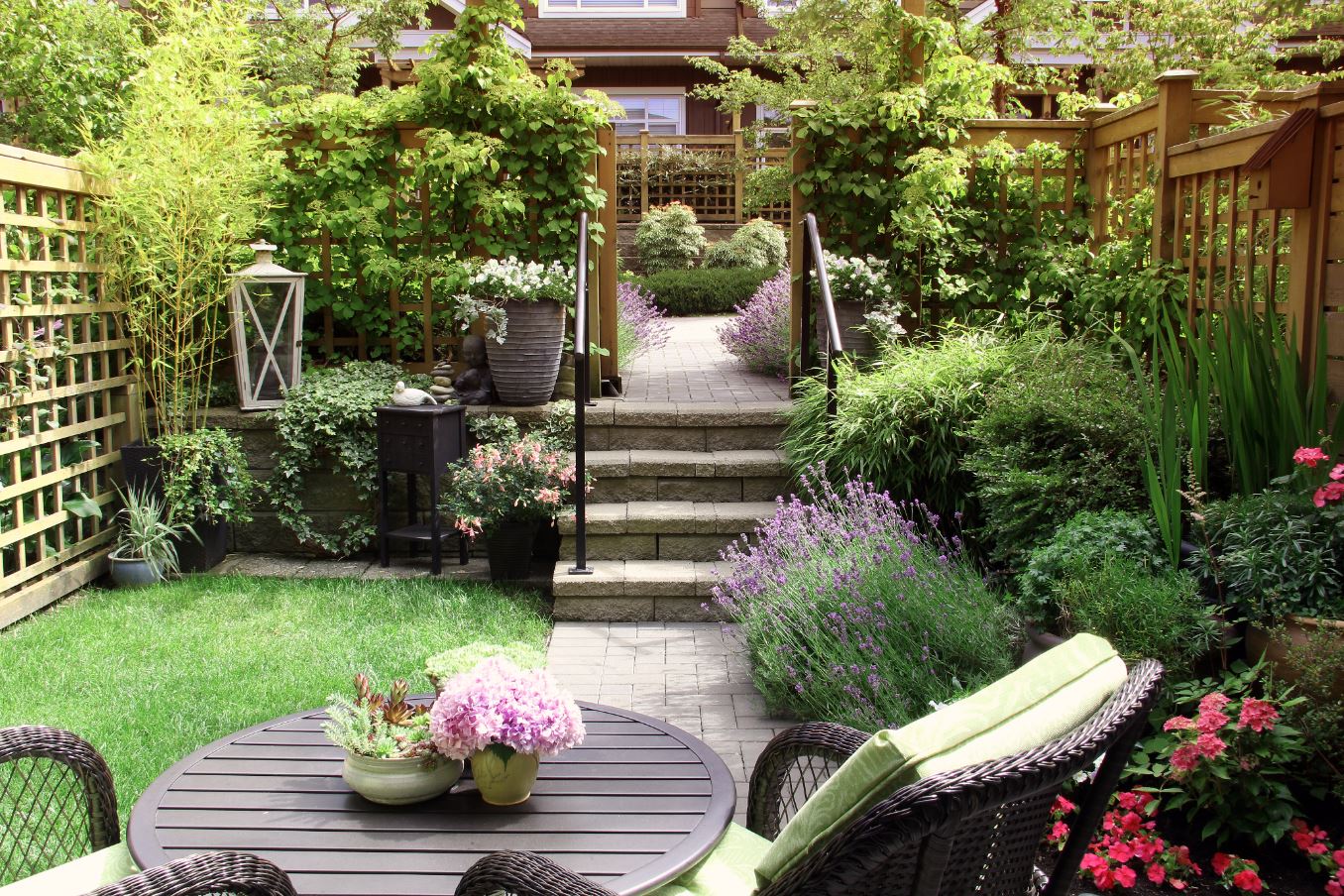
The Living Poetry of an Outdoor Garden
The First Breath of an Open Garden
To step into an outdoor garden is to step into a conversation that has been unfolding since the dawn of life. The wind carries whispers through grass, and the soil beneath one’s feet hums with unseen movement. Every outdoor garden begins as a thought, a longing to transform bare ground into something that lives, moves, and grows. Unlike the controlled atmosphere of indoor spaces, an outdoor garden resists confinement. It asks for understanding, not domination. The gardener learns to read the subtleties of earth and season, noticing the scent before rain, the hue of sky that signals frost, the quiet persistence of roots finding their way through stone. What begins as design soon becomes relationship. The gardener’s hands, once tools of construction, become instruments of listening. Through this exchange, a plot of land evolves into a living reflection of patience, adaptation, and renewal.
The first breath of a new garden carries anticipation. The soil waits to be turned, the seeds wait to awaken, and the caretaker waits for signs of life. It is here that imagination meets responsibility. Each decision, from selecting native plants to choosing where light falls, shapes the ecosystem that will follow. The outdoor garden, unlike a house or a wall, cannot be finished. It remains in constant motion, its beauty derived not from perfection but from change. Time becomes a collaborator, sculpting growth into form. To breathe with the garden is to accept impermanence, to understand that every leaf, bloom, and shadow belongs to the same endless cycle of becoming.
The Architecture of the Open Ground
Designing an outdoor garden begins with space, but space in nature is fluid. It stretches and folds according to wind, light, and terrain. A good garden respects this natural architecture rather than fighting against it. Pathways curve where footsteps wish to wander, and open areas invite the movement of air. Structure arises not from symmetry but from harmony. Rocks, trees, and shrubs become living geometry, composing a landscape that feels both intentional and effortless. The outdoor garden’s architecture depends on contrasts, the smooth beside the rough, the vertical balanced by the horizontal. This play of opposites generates depth and rhythm, transforming land into a place that breathes.
Every layer contributes to the sense of unity. Tall trees establish ceilings of shade and protection. Mid-level shrubs create transitions, linking height to ground. Groundcovers knit the surface together, preventing erosion and welcoming insects that keep the soil alive. When arranged thoughtfully, these layers echo the natural design of forests and meadows. Light moves differently through each level, painting new scenes at every hour. The gardener becomes choreographer, orchestrating an ever-changing performance of color and form. In the architecture of the open ground, beauty arises from understanding rather than control. The garden becomes a place where order coexists with freedom, where structure gives rise to spontaneity.
The Song of Seasons
Outdoor gardens do not belong to a single moment but to the full measure of time. Each season sings a different melody, reshaping the garden’s identity again and again. Spring arrives as a soft overture, rich with renewal. The soil warms, buds swell, and air fills with a scent both sweet and sharp. Summer follows with fullness and noise. Bees hum, leaves rustle, and petals open in abundance. It is the season of energy and saturation, when color reigns unrestrained. Autumn, however, shifts the tone. Leaves fade to amber and scarlet, and every falling petal carries quiet nostalgia. The garden prepares for retreat. Winter closes the symphony with silence, reducing all sound to the whisper of wind through bare branches. Yet even in stillness, life persists beneath the frost, waiting for its cue to rise once more.
To garden outdoors is to surrender to this cycle. No two years unfold the same way. Rain may linger one spring and vanish the next. Heat may push blooms ahead of schedule or delay them until late. The gardener learns flexibility, adapting with the rhythm of nature rather than resisting it. In time, this practice cultivates patience not just for plants but for living itself. The garden becomes a teacher, offering lessons on transience, resilience, and trust in renewal. Every season brings both loss and reward, and in this interplay, the garden mirrors the life of its caretaker.
The Wild Allies That Keep Balance
No outdoor garden thrives in isolation. Its survival depends on a web of relationships that extend far beyond human intervention. Pollinators drift through blossoms, ensuring continuity from one generation to the next. Earthworms turn soil with quiet diligence, creating passageways for air and water. Birds patrol branches for insects, their songs keeping rhythm with the changing light. Even the smallest forms of life, microbes, ants, and beetles, shape the health of the soil in ways invisible but vital. These wild allies do not ask for perfection; they ask for respect. A garden that welcomes diversity, from weeds to winged visitors, sustains itself through balance.
Modern gardening often mistakes control for success. Pesticides and synthetic fertilizers promise efficiency but erase the delicate equilibrium that makes true growth possible. Organic and regenerative approaches restore that balance by working with natural systems rather than against them. Mulch retains moisture, compost feeds the earth, and companion planting reduces pests without chemicals. The garden thus becomes a sanctuary of coexistence. The gardener’s role shifts from overseer to collaborator, ensuring that every species, however small, finds its place. When this harmony is achieved, the garden hums with quiet energy. The air vibrates with life that exists not because of the gardener, but with them.
The Language of Light and Shadow
Light defines every outdoor garden. It dictates where colors shimmer, where textures deepen, and where the eye finds rest. Yet light alone would be too harsh without shadow to temper it. The two form a dialogue, shaping mood and movement across the day. Morning brings softness, brushing petals with silver hues. Noon intensifies contrast, saturating color and sharpening edges. Evening gathers warmth, stretching long shadows that invite reflection. Each garden must find its own equilibrium between brightness and calm. Sun-loving flowers like lavender and coneflower thrive in open exposure, while ferns, hostas, and mosses prefer the diffused shade beneath trees. The gardener learns to read these subtleties, placing plants where they can reveal their truest form.
As the seasons turn, light shifts its path. What was once shaded becomes sunlit, and vice versa. This constant transformation gives the outdoor garden its rhythm. Stone paths glow at sunset, and dew catches dawn’s first light like glass. The choreography between illumination and darkness reminds us that beauty lies not in constancy but in change. Light teaches us to see, while shadow teaches us to feel. Together, they weave emotion into the garden’s design. A bench beneath dappled branches, a pool reflecting twilight, a border glowing gold in late afternoon, these are moments the garden paints with the brush of the sun.
The Craft of Texture and Movement
Beyond color and shape, the true character of an outdoor garden lies in texture. Rough bark beside smooth petals, the contrast of feathery grasses against stone, the cool slickness of water beside soil, all these sensations create tactile richness. Texture invites the hand as much as the eye, grounding visual beauty in physical experience. Grasses sway with the wind, creating movement that changes by the second. Flowers nod under the weight of bees, while trees cast flickering patterns that shift with the breeze. This interplay between stillness and motion animates the landscape. A well-designed garden feels alive even when empty of people because it never truly stands still.
Movement extends beyond wind or water; it includes the life that inhabits the space. A butterfly drifting through air, a bird taking flight, or the slow crawl of a snail across a stone, each gesture adds rhythm. The gardener can encourage this vitality by planting in layers that create flow. Arched branches frame views, curved paths guide steps, and trailing vines soften edges. Texture and motion blend into choreography, each element responding to weather, time, and touch. The outdoor garden becomes a living sculpture, its surface reshaping constantly under the influence of light, air, and sound.
The Dialogue Between Garden and Gardener
Every outdoor garden reflects the temperament of the hands that tend it. Some lean toward precision, with clipped hedges and measured symmetry. Others celebrate spontaneity, where wildflowers mingle freely among herbs and shrubs. Regardless of style, each garden becomes an autobiography written in soil. It records decisions, experiments, and failures as faithfully as it displays success. The dialogue between gardener and garden is intimate and ongoing. The gardener listens to what the land needs, while the garden responds with subtle feedback, vigorous growth when conditions align, quiet resistance when imbalance arises. Over time, this exchange deepens into understanding. The act of care becomes reciprocal. In nurturing life outside, the gardener finds renewal within.
The physical work, digging, pruning, watering, transcends mere task. It becomes meditation, an immersion in rhythm. The scent of earth after rain, the cool texture of leaves, the satisfaction of seeing a seed mature into bloom, all these sensations anchor the gardener to the present. The dialogue extends beyond seasons, often lasting decades. When the gardener eventually steps away, the land remembers their touch, continuing to evolve long after. Thus, an outdoor garden becomes both legacy and companion, holding the imprint of those who loved it.
The Spirit of Gathering and Solitude
An outdoor garden holds two seemingly opposite purposes: it welcomes community and it nourishes solitude. It is both meeting place and refuge. Friends gather beneath pergolas to share laughter, meals, and music, while at dawn the same space holds quiet for meditation. The versatility of the garden lies in its openness. It accepts every emotion, joy, reflection, grief, and transforms them into presence. Seating areas carved into natural corners invite pause. A bench beneath a flowering tree becomes a sanctuary for thought. At night, when paths glow faintly and crickets replace conversation, the garden reclaims its ancient stillness. Humans become guests again in nature’s realm.
This duality makes outdoor gardens essential in modern life. They remind people who spend days behind screens and walls that the world outside continues without instruction. The rhythm of bees, the texture of bark, the scent of jasmine after rain, all offer grounding. Solitude in the garden is not loneliness but restoration. Community within it becomes celebration. The garden accommodates both, expanding or contracting with human need. In this way, it mirrors the balance every life seeks: connection without confinement, peace without withdrawal.
The Earth’s Quiet Reply
When the work of the day ends and the garden settles under twilight, a quiet gratitude lingers in the air. The soil cools, leaves glisten with dew, and distant sounds fade into rhythm. In that stillness, the earth seems to respond. It answers not with words but with presence, reminding the gardener that care never goes unnoticed. Every seed sown, every fallen leaf returned to compost, every moment of observation becomes part of this dialogue. To tend an outdoor garden is to participate in a conversation older than memory, one that will continue long after the last spade has rested. The earth’s reply is simple yet profound: when we care for it, it cares for us. In that exchange lies the truest definition of home, a place where sky, soil, and spirit meet in quiet understanding.