

Vegetable Garden Finds Its Rhythm
The Practice of Growing Nourishment from the Earth
The First Turning of the Soil
There is a moment, just before the first seed touches the ground, when the gardener feels a shift beneath their feet. It is the beginning of something ancient, the renewal of a relationship between people and earth that predates memory. Vegetable gardening is not a task but a dialogue. Each motion of the spade, each breath drawn over the soil, carries intention. The ground that seemed silent begins to answer back through scent, texture, and warmth. Preparing the soil is the gardener’s first promise, to care for what will, in time, provide care in return. Turning earth loosens compacted layers, inviting air and moisture to circulate. In the process, dormant organisms awaken, creating the foundation for life to flourish. The soil transforms from inert matter into a living community. This preparation, patient and deliberate, holds the same reverence as the sharpening of an instrument before a song. Without it, nothing harmonious can follow.
In the beginning, there is humility. The gardener learns the texture of the land, where water gathers, where shadows fall longest, and where roots will breathe best. Compost, the gift of decay, is folded into the earth, binding fertility with memory. Every crumb of humus tells a story of transformation, from waste to resource, from neglect to care. When the first rains come, the soil darkens and exhales an aroma that feels both familiar and eternal. It is the scent of readiness, of ground waiting to cradle life once more.
The Seed and Its Silence
Seeds are the smallest form of potential known to humankind. They carry within them the memory of entire seasons and the knowledge of how to grow without instruction. Yet before they can awaken, they must rest in silence. Planting a seed is an act of faith. Beneath the surface, invisible miracles unfold. Moisture seeps through the outer shell, softening walls that once seemed impenetrable. The embryo stirs, drawing life from the darkness. Each seed carries its own rhythm, some quick to sprout, others waiting days, weeks, or even months before breaking the surface. The gardener learns to trust this patience, understanding that not all beginnings reveal themselves at once.
The diversity of seeds mirrors the diversity of life itself. Peas and beans swell and emerge with strength, while lettuces and carrots move delicately through their early stages. Root crops hide their progress, preferring secrecy beneath the soil. Others, like cucumbers or squash, announce their arrival boldly with tender shoots that stretch toward the sun. In this quiet process, humility grows alongside the plants. The gardener realizes they are not in control but part of a greater conversation. The seed does not need direction; it needs conditions, warmth, moisture, and time. Once these are provided, nature does the rest, weaving life from the stillness of the unseen.
The Rhythm of Water and Sunlight
Water and light form the twin heartbeat of every garden. Their balance determines not only survival but spirit. Too much of either invites imbalance; too little leads to withering. The gardener becomes a keeper of equilibrium, reading the signs of thirst and abundance with quiet precision. Morning watering carries promise, droplets sparkling on leaves as sunlight filters through. Evening watering carries reflection, the day’s warmth fading into calm. Between them lies the pulse of growth. Plants drink deeply, their roots stretching in search of hidden reserves. The soil becomes a living sponge, holding just enough moisture to sustain but not suffocate.
Sunlight, too, holds its own rhythm. It paints the garden differently each hour. Early rays coax leaves open; midday light sharpens color; late afternoon casts long shadows that whisper of rest. The gardener learns to observe how each plant interacts with this shifting brightness. Tomatoes crave long, hot exposure. Lettuce wilts under such intensity, seeking shade’s comfort. The dance between water and sunlight mirrors the dance of opposites in life, too much generosity can drown, too much distance can starve. To master this rhythm is to understand the art of balance itself, an art practiced through awareness rather than control.
The Companionship of Growing Things
Vegetables, like people, thrive in community. Companion planting is both science and philosophy, a recognition that certain plants share unseen affinities. Tomatoes find strength beside basil, whose scent repels pests and enriches flavor. Corn, beans, and squash form the “Three Sisters,” an ancient collaboration where each sustains the others: corn provides structure, beans fix nitrogen, and squash shields the ground from dryness. Even beyond utility, these pairings create harmony in diversity. The garden becomes a tapestry of interdependence, where no plant stands alone.
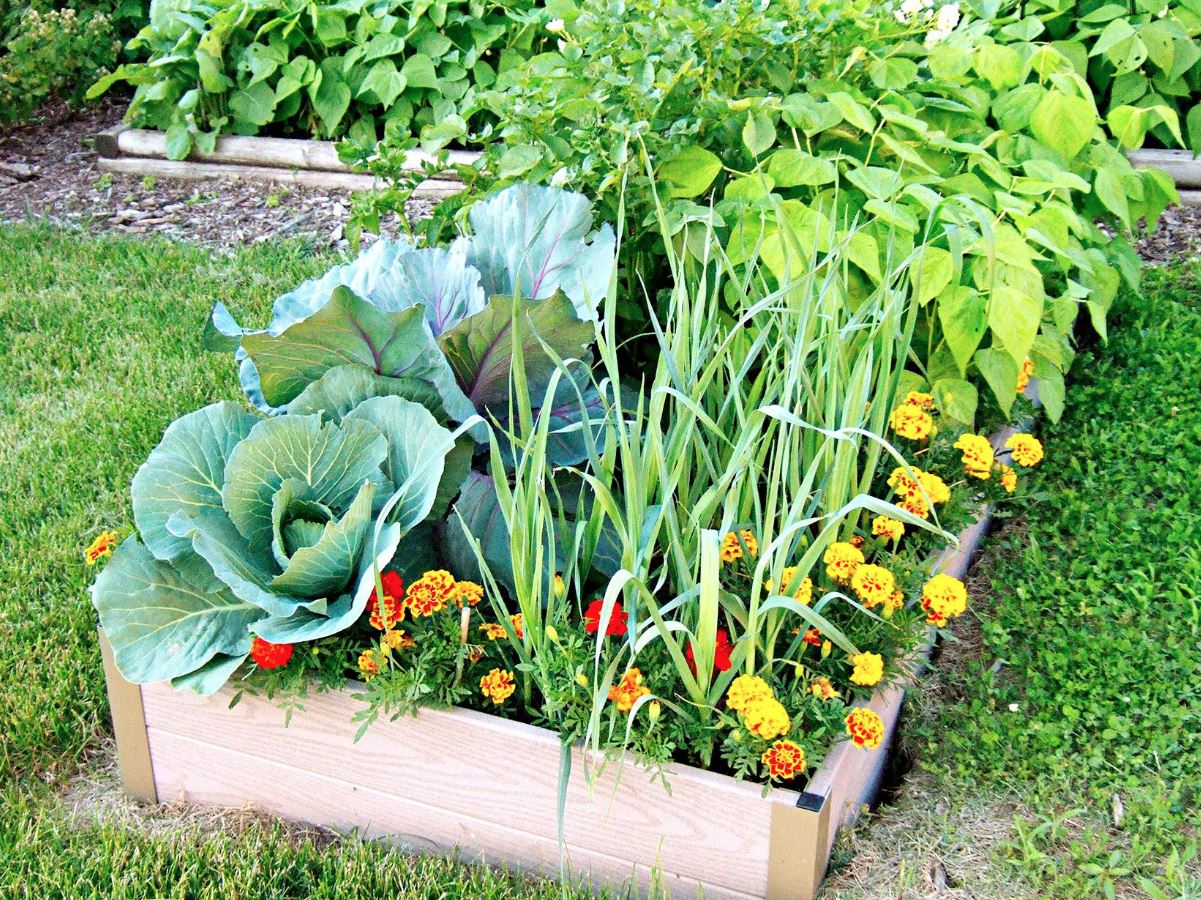
Some partnerships are protective, others restorative. Marigolds release chemicals that deter harmful nematodes, while onions discourage beetles from preying on leafy greens. Herbs scattered through the rows bring fragrance and equilibrium, bridging the gap between nourishment and beauty. In cultivating these relationships, the gardener mirrors the interconnectedness of all life. What benefits one benefits the whole. Diversity becomes resilience, and the once-static rows of vegetables hum with vitality. The soil feels richer, the air clearer, and the harvest more abundant. A garden grown in companionship embodies the wisdom that coexistence, not competition, is the root of true growth.
The Work of Hands and Seasons
The life of a vegetable garden unfolds in rhythm with the turning year. There is no single task that defines it; rather, it is a continuum of motion and rest. In spring, hands sow seeds and shape beds. In summer, they weed, water, and harvest. Autumn invites reflection and renewal, when old plants are returned to the earth as compost, their final act one of giving back. Winter, though seemingly still, remains essential. It is the pause between breaths, when soil restores itself and the gardener dreams forward into the next cycle. To garden with vegetables is to become fluent in the language of time.
Each season demands a different kind of labor, yet all require attention and intention. The gardener learns to read subtleties: the texture of leaves that signal need, the tone of soil that tells of balance or lack. Kneeling in the dirt, the gardener’s body becomes an extension of the earth’s rhythm. Calloused fingers and sun-warmed skin speak of connection. These gestures, repeated through years, shape more than food, they shape character. The garden becomes a mirror for patience, resilience, and gratitude. Each harvested vegetable carries the story of these hands, of effort translated into sustenance, of work transformed into nourishment both physical and spiritual.
The Insects That Guard and Guide
No garden remains untouched by insects. Their presence may first appear chaotic, yet beneath the buzz lies order. Pollinators, predators, and decomposers each play vital roles in maintaining balance. Bees drift between blossoms, ensuring continuity from flower to fruit. Ladybugs patrol for aphids, quietly restoring equilibrium. Earthworms burrow unseen, loosening soil and enriching it with castings. Even the less welcome creatures, caterpillars, beetles, and slugs, remind the gardener that perfection does not exist in living systems. The goal is not eradication but understanding. A garden with insects is a garden alive.
Encouraging beneficial insects begins with diversity. Flowering herbs, native plants, and small pools of water invite pollinators. Avoiding chemicals preserves their fragile ecosystems. The gardener’s patience, rather than pest control, becomes the garden’s greatest defense. Over time, nature balances itself. Predators arrive to regulate prey, fungi counter disease, and the soil community stabilizes. Observing this harmony cultivates humility. The gardener becomes a steward rather than a manager, guided by the principle that life sustains life. To coexist with insects is to acknowledge that the smallest beings often hold the greatest influence over growth and renewal.
The Taste of Patience
When harvest time arrives, it carries the weight of every hour spent in care. The flavor of a freshly picked tomato or a carrot pulled from the ground moments before eating cannot be replicated elsewhere. These tastes are not merely the result of nutrients or sunlight but of time, attention, and trust. Each vegetable carries the memory of its growing, how it weathered storms, how it reached for light, how it shared soil with its companions. The act of eating from one’s own garden is deeply intimate. It collapses the distance between labor and reward, between earth and nourishment.
Cooking becomes an extension of gardening, another stage in the same creative process. A handful of beans tossed into a pan still carries the scent of soil. Herbs crushed between fingers release both flavor and memory. Meals grown at home remind the gardener that sustenance is not only consumption but gratitude. The simplicity of the harvest meal, the salt, the oil, the heat, feels sacred because it completes a circle. Every bite affirms the connection between care and abundance, between giving effort and receiving grace. In that taste, patience becomes flavor itself, rich and enduring.
The Garden as a Place of Return
Long after the last harvest has been stored, the vegetable garden continues to call. It is a place that draws people back, season after season, not through obligation but through belonging. In its rows and furrows lies the essence of continuity. Children grow tall beside the beans they once planted. The elderly find rhythm and solace in tending soil that remembers their touch. Even in solitude, the garden offers companionship. It listens without judgment, speaks through scent and sound, and responds with growth. To return to the garden is to return to simplicity, to a place where human ambition yields to the humility of earth.
Each visit renews a sense of gratitude for the cycles that sustain life. The garden teaches that nourishment is not a product but a relationship. Every seed planted, every weed pulled, every drop of rain that falls becomes part of a larger conversation between human effort and natural grace. The gardener may change, the tools may age, but the bond remains. To stand once more in freshly turned soil, hearing the rustle of leaves in wind, is to rediscover what has always been true, that the earth gives not because it must, but because we remember how to ask gently.
The Endless Harvest of Understanding
When the final light of evening falls across the vegetable garden, it reveals more than plants and soil. It reveals a way of being. Gardening teaches patience, balance, and reciprocity. It blurs the boundaries between work and worship, between sustenance and art. Every cycle of planting, tending, and harvesting deepens awareness of life’s quiet intelligence. The earth, in its generosity, answers every gesture of care with abundance. In tending it, we are reminded that growth depends not on control but on collaboration. The garden’s lessons outlive the harvest, carried forward in every act of mindfulness, every shared meal, every small kindness that returns to the soil. The endless harvest is not of vegetables but of understanding, that to cultivate the earth is to cultivate ourselves, rooted in the same rhythm that keeps all living things alive.